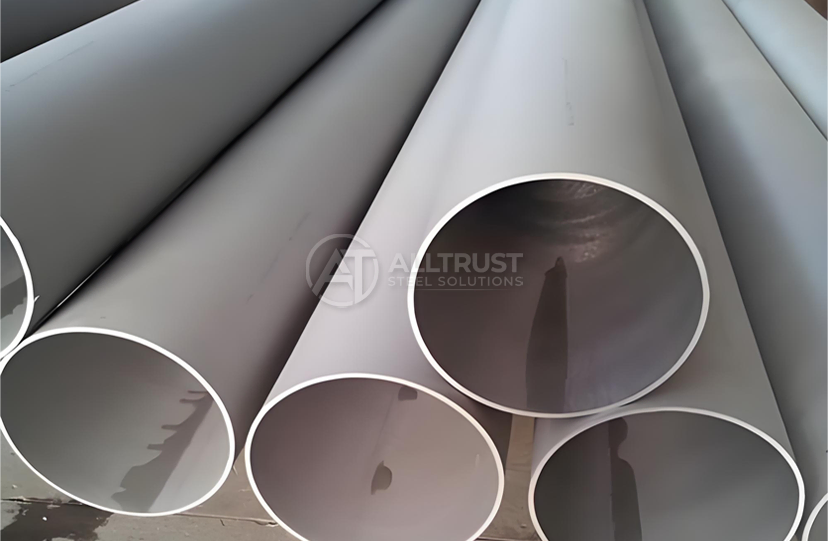
astm a376 tp304h pipe
2. Standard: ASTM A376 / ASME SA376, seamless pipe designed for central-station service
3. Process: Cold drawn or hot extruded seamless, eliminating any welding seam risks
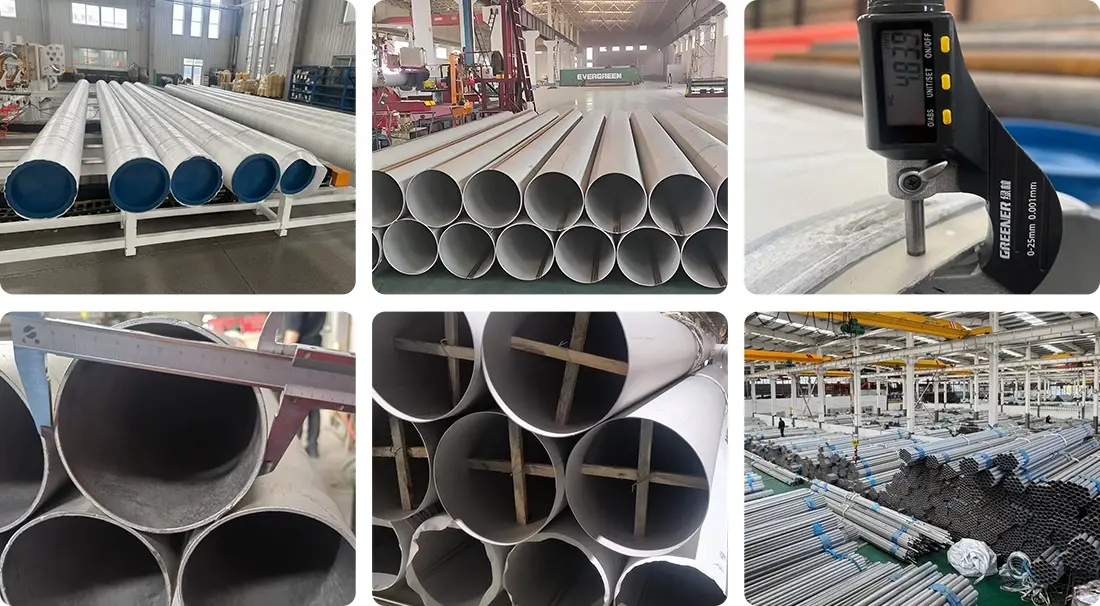
4. Size Range: NPS 1/2" to 24" with customized lengths and tight dimensional controls
5. Heat Treatment: Solution treated at a minimum of 1900°F (1040°C) to ensure grain size
6. Surface Finish: Descaled, grit blasted, or passivated to maximize high-heat endurance
7. Application: Superheater tubes, boiler headers, and central power station steam lines
8. Service Advantage: Dynamic pressure tested, fully certified with standard MTC EN 10204 3.1
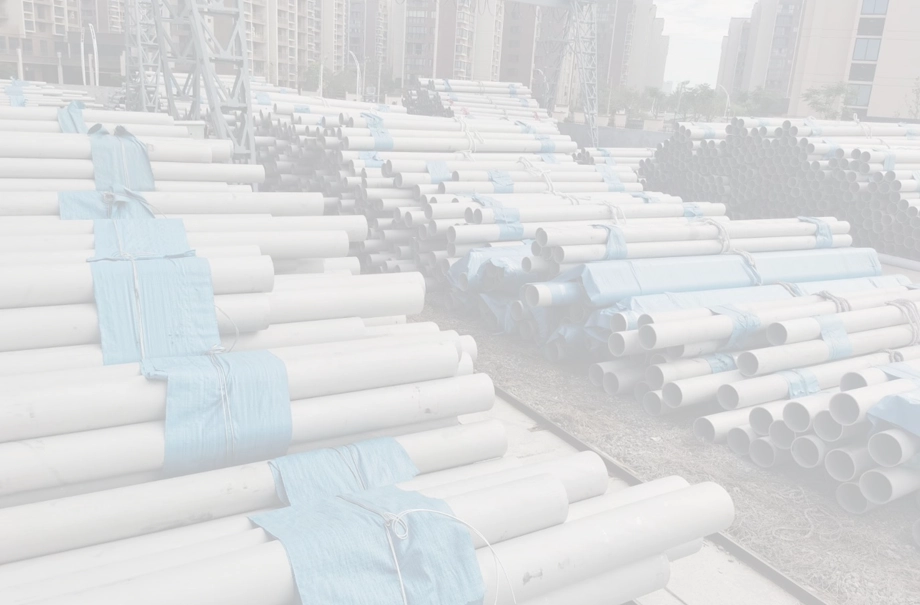
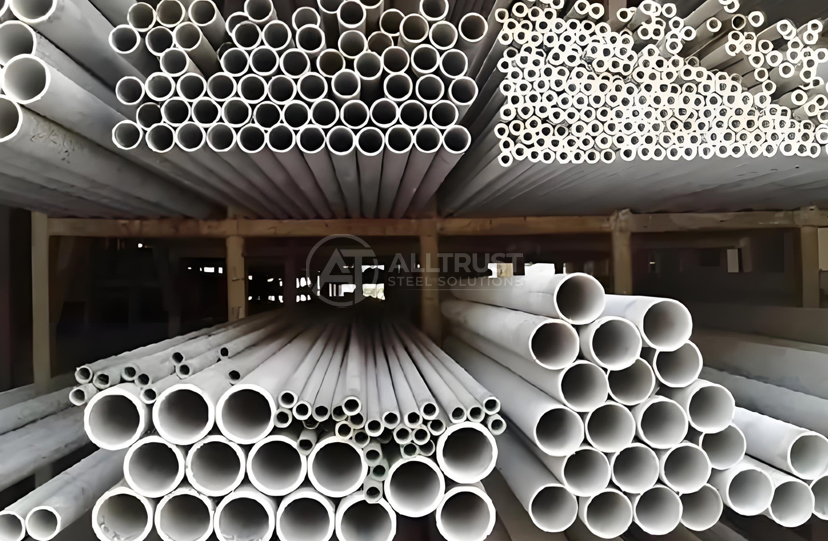
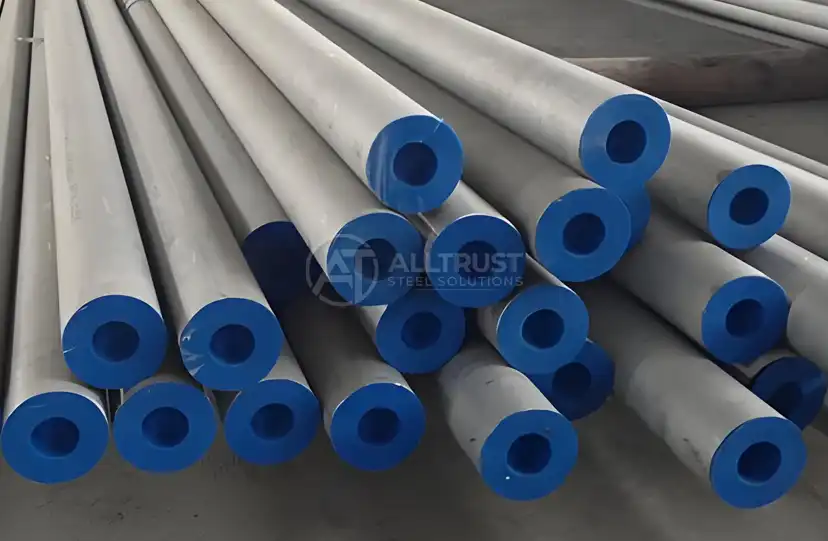
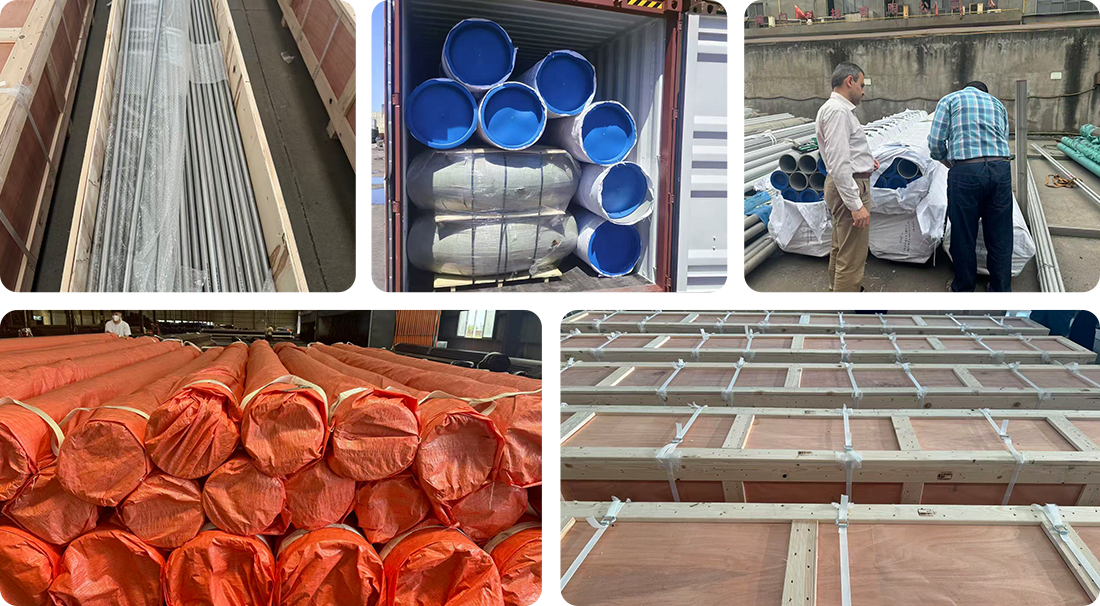
9. Packaging: Hexagonal bundles wrapped with plastic sheets or nested in seaworthy wooden crates
10. Key Advantage: Enhanced creep strength and long-term mechanical stability above 525°C
ASTM A376 TP304H Pipe – High-Temperature Seamless Austenitic Steel Piping for Central Station Power Systems
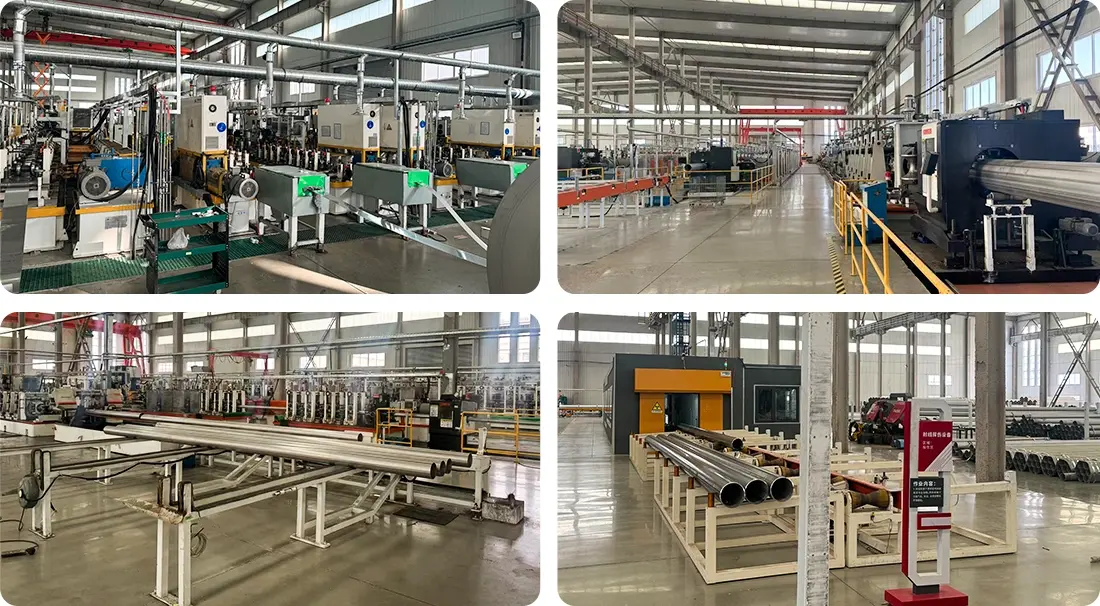
HEBEI ALL TRUST STEEL CO., LTD specializes in manufacturing astm a376 tp304h pipe, a high-carbon austenitic stainless steel seamless solution engineered specifically for extreme thermal environments in central-station service. Production capacity > 15,000 tons/year, 100% hydraulic testing rates and exact dimensional control of outside diameters up to 1016 mm. Each batch is solution annealed at a minimum of 1040°C and subjected to rigorous grain size verification (ASTM No. 7 or coarser) to provide better creep-rupture strength at continuous temperatures over 538°C. Our product is backed by EN 10204 3.1 Mill Test Certificates and complete material traceability, providing proven dependability for power plant superheater tubes, boiler headers and heavy-duty steam pipe infrastructure across the globe.
What Makes ASTM A376 TP304H Pipe the Preferred Choice for High-Heat Power Generation?
TP304H is a regulated high carbon (0.04-0.10%C) version of TP304 for resistance to creep deformation over extended heat cycling. These standard grades, 304 or 304L, lack this vital reinforcement, and are thus subject to dimensional instability at steam pressures exceeding 10 MPa at temperatures above 815°C.
Your product addresses three major operational issues:
Stable Mechanical Integrity: The increased carbon content results in stable chromium carbides in the austenitic matrix. These carbides bind grain boundaries against high temperature creep and avoid catastrophic rupture after decades of continuous operation.
Oxidation & Corrosion Resistance: 18.0–20.0% chromium and 8.0–11.0% nickel content of this alloy enables it to sustain a protective passive layer in the harsh steam oxidation and sulfur-bearing combustion gases characteristic of coal-fired boiler conditions.
Seamless Structural Consistency: Welded pipes include longitudinal weld seams that are frequent sites where failure begins under repeated heat stress. Our hot-finished seamless production method removes these seams. This will guarantee equal growth and avoid localised concentrations of stress.
The substance is used by power plant operators to minimise unexpected outages. It is used by refineries to stabilise reformer furnace tubes. Chemical producers rely on it for hydrocracking heat exchangers.
Technical Specifications & Dimensional Standards
| Parameter | Specification |
|---|---|
| Standard | ASTM A376 / ASME SA376 / EN 10216-5 |
| Material Grade | TP304H (UNS S30409) |
| Manufacturing Process | Hot Finished Seamless / Cold Drawn Seamless |
| Heat Treatment | Solution Annealed (Min 1040°C) |
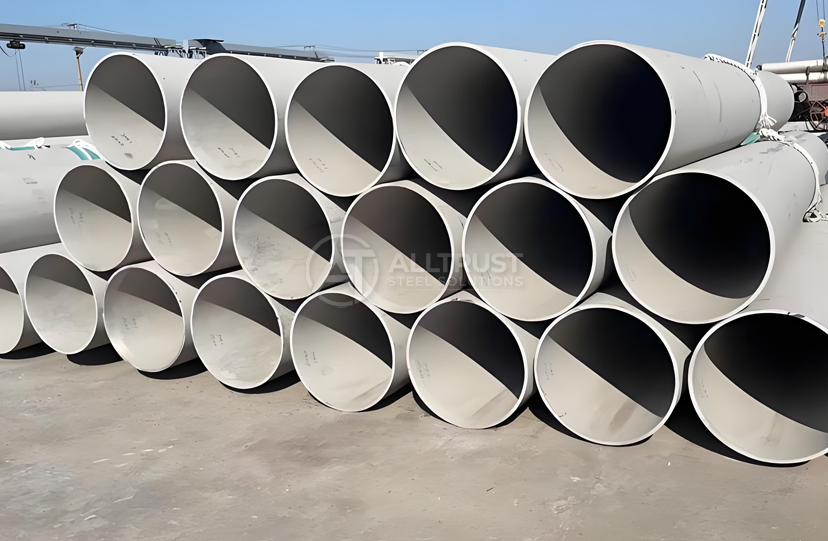
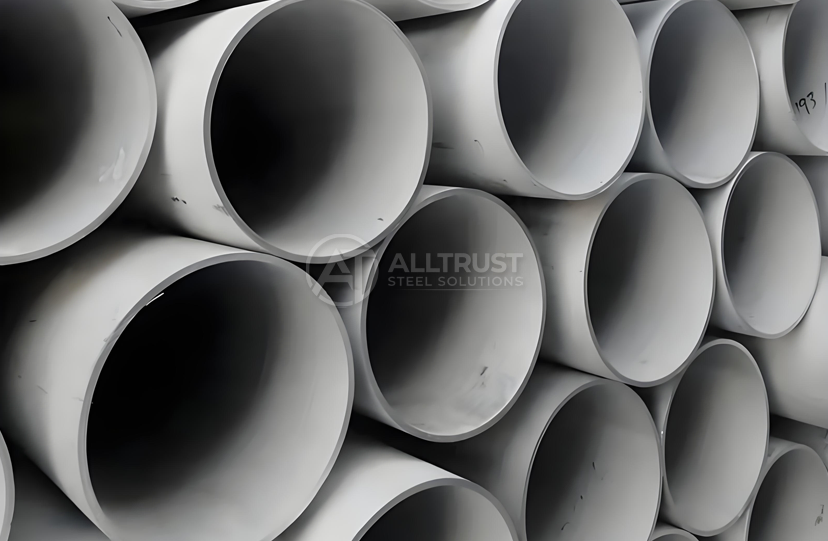
| Outer Diameter (OD) | 1/2" – 24" (21.3 mm – 609.6 mm) |
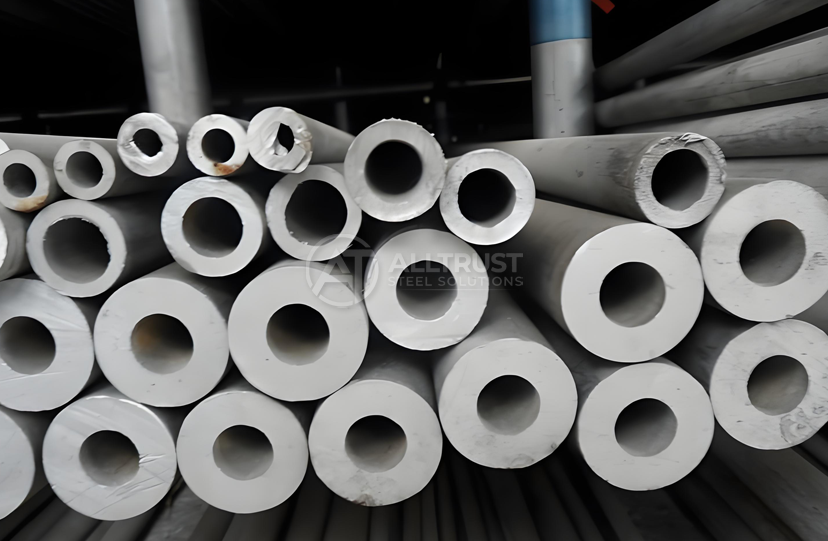
| Wall Thickness (WT) | SCH 10S / SCH 40S / SCH 80S / SCH 160 / SCH XXS (2.0 mm – 50.0 mm) |
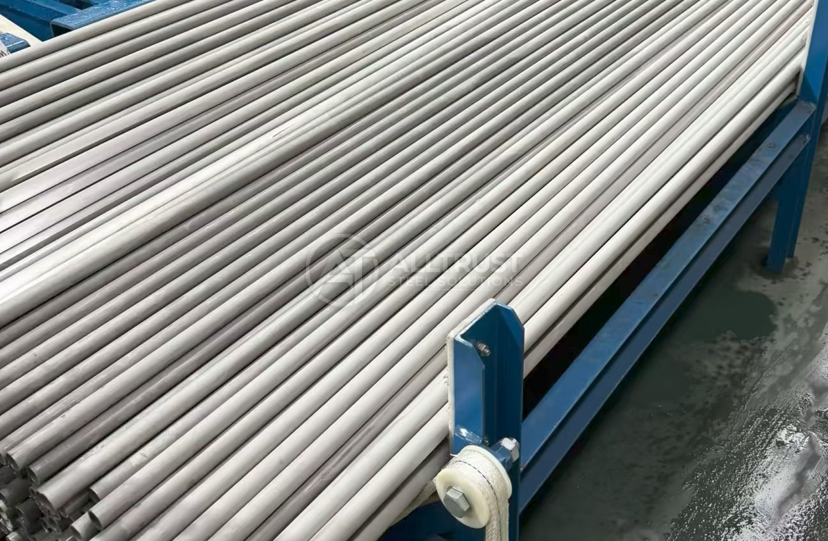
| Length | 5.8 m / 6 m / 11.8 m / 12 m / Custom Cut Length |
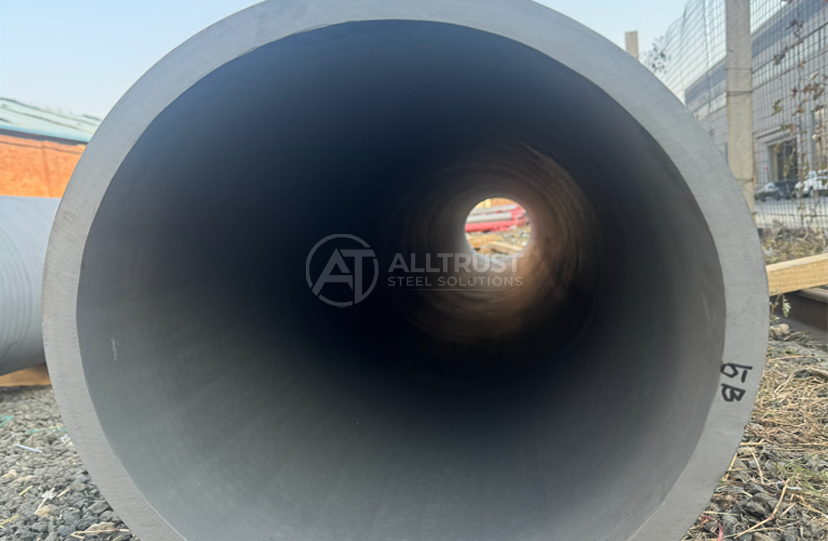
| Surface Finish | Pickled & Passivated / Shot Blasted / Descaled |
| End Type | Plain End (PE) / Beveled End (BE) |
| Grain Size Requirement | ASTM E112 No. 7 or Coarser |
| Minimum Tensile Strength | 515 MPa (75 ksi) |
| Minimum Yield Strength | 205 MPa (30 ksi) |
| Carbon Content | 0.04–0.10% (Controlled High-Carbon) |
| Testing | 100% Hydrostatic Test / Ultrasonic Test (UT) / Eddy Current Test |
| Certificates | EN 10204 3.1 / 3.2 MTC / ISO 9001:2015 / PED |
| Third-Party Inspection | SGS / BV / TÜV / DNV / ABS |
| Packaging | Hexagonal Steel Bundles / Wooden Crates / Waterproof Wrapping |
Why Choose Our High-Temperature Seamless Pipe Manufacturing?
Controlled Carbon Microstructure: We control the austenite grain development in our solution annealing process to be ASTM No. 7 coarse. This particular microstructural construction gives the maximum in creep rupture life, a key need when your pipe runs at 15 MPa steam pressure at 650°C for 25+ years.
100% Volumetric Testing Protocol: We scan every metre of pipe with ultrasonic thickness testing, not like other vendors that take batch samples. This identifies subsurface laminations, inclusions or micro-cracks which are not apparent to the eye but which are disastrous during thermal fatigue.
Precision Dimensional Tolerance: The wall thickness of cold drawn sections is consistent with ±0.05mm. This removes vibration due to turbulent flow in superheater tube banks and enables predictable thermal expansion calculations in engineering design.
Our descaling and grit-blasting procedure eliminates the mill scale oxides that would otherwise trap moisture and cause pitting corrosion. A post-processing passivation procedure creates a lasting chromium oxide coating before your pipe goes into use.
Need Bevelled Ends for ASME B16.25 Field Welding? Flexible Fabrication Services Need precise cutting for modular assembly? We can laser hole drill, slot cut, thread and fixed length section to your installation plans.
Primary Industrial Use
Central Station Power Plants: Main steam headers conveying superheated steam at 540–565°C from the boiler drum to turbine input valves, where material creep strength significantly effects plant availability and safety margins.
Fossil Fuel Boiler Superheaters : Pendant or horizontal tube panels exposed to a radiant heat flow of more than 150 kW/m2 needing oxidation resistance and dimensional stability under asymmetric heating profiles.
Petrochemical Reformer Furnaces . Hydrocracking heater tubes at internal temperatures between 700 and 800°C and hydrogen partial pressures beyond 10 MPa, where resistance to hydrogen embrittlement is paramount.
Reheater & Economiser Systems: Secondary steam reheating circuits in supercritical power plants with intermediate pressure steam temperature boost before low pressure turbine stages.
Chemical Process Heat Exchangers: Shell-and-tube designs for corrosive organic acids or chloride-containing streams at high temperature, taking advantage of the alloy’s combination thermal and chemical resilience.
Comprehensive Quality Assurance & Testing
Your order of astm a376 tp304h pipe receives multi-stage verification before shipment:
Raw Material Certification: Spectrographic examination shows chromium (18.0-20.0%), nickel (8.0-11.0%) and regulated carbon (0.04-0.10%). Heat number traceability ties each pipe to the originating ladle at the steel factory.
Grain size microscopy – Metallographic materials are tested to ASTM E112 to validate coarse grain structure. The fine-grained material would fail prematurely by creep and is rejected.
Hydrostatic Pressure Testing: Each length is tested to minimum test pressures per ASME B31.1 calculations, usually 1.5× design pressure, and held for 10 seconds to prove leak-free integrity.
Intergranular Corrosion Testing: ASTM A262 Practice E testing is used to determine whether the material is not sensitised during welding . Sensitisation causes the chromium in the grain boundaries to be depleted , leading to catastrophic cracking .
Flattening & Flaring Tests: Destructive mechanical testing on representative samples to ensure ductility and identify brittleness due to incorrect heat treatment or exposure to hydrogen during manufacture.
Dimensional Verification: Callipers and ultrasonic gauges for outer diameter, wall thickness, ovality and straightness are checked against the ASTM A376 tolerance tables for acceptance of the batch.
FAQ
Q:What core microstructural modification gives this product its extreme high-temperature creep resistance?
A:This pipe combines an elevated, controlled high carbon content (0.04–0.10%) for structural strength with critical solution annealing at controlled high temperatures (Min 1040°C) to maximize long-term creep rupture endurance.
Q:Why is a seamless body mandatory for this high-carbon pressure piping asset in central-station service?
A:The seamless piercing process provides a completely uniform cylinder cross-section free of weld vulnerabilities, ensuring uniform thermal expansion and preventing sudden mechanical rupture under intensive high-temperature steam power loops.
Q:What specialized destructive quality verification benchmarks must this high-heat batch successfully pass?
A:Representative production coupons undergo strict grain size microstructural checks, high-load tension diagnostics, and mandatory cross-sectional flattening and flaring evaluations to confirm complete compliance.
Q:Can this heavy-duty pipe series be customized with specialized edge configurations for thick-walled field welding?
A:Yes, we support extensive custom fabrication options, offering precision compound angles and beveled endings according to ASME B16.25 codes alongside fixed random length structures up to 12 meters.
Q:What precise mill traceability documentation is dispatched with this central-station high-temperature product?
A:All shipments include a transparent Mill Test Certificate (MTC) conforming strictly to EN 10204 3.1 criteria, capturing precise ladle chemical heat analysis, grain size numbers, and full PED compliance logs.
Contact Us
Ready to specify your next high-temperature piping project with the astm a376 tp304h pipe? Contact our engineering team at info@hballtrust.com for technical drawings, pressure-temperature ratings, and delivery schedules tailored to your power plant or refinery requirements.