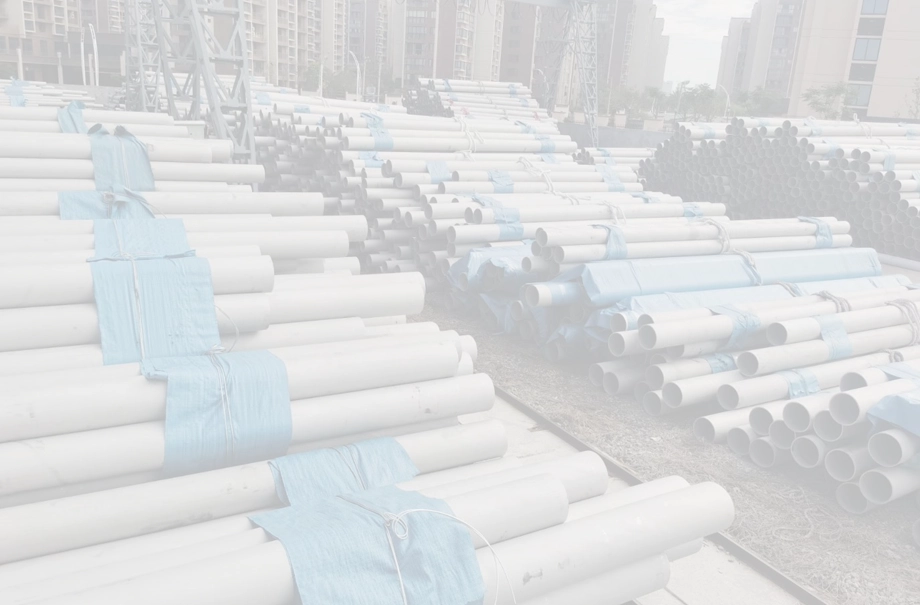
ASTM A213 TP304 Tube: Wall Thickness and Grade Selection Tips
You should not hurry when picking out the right seamless stainless steel tube for a system that works with high temperatures or pressure. In business-to-business buying, the ASTM A213 TP304 tube is still one of the best choices whether you need it for a boiler loop, a shell-and-tube heat exchanger, or an industrial superheater. You can use this guide to help your technical and purchasing team make confident decisions from the very first inquiry. It goes over specifications, wall thickness logic, grade comparisons, and procurement strategies.
Understanding ASTM A213 TP304 Tube Specifications
Chemical Composition and Corrosion Performance
TP304 (UNS S30400 / 1.4301) is made to work with both acid and heat because of its chemical makeup. Chrome makes up 18.0% to 20.0% of it, and nickel makes up 8.0% to 11.0%. The amount of carbon is kept at 0.08% or less. This scale tells you that the tube can handle temperatures of up to 870°C (1,600°F) and is very effective against strong acids, weak bases, and mild chlorides. Tests for intergranular corrosion are also part of ASTM A262 Practice E, and the grade passes them. This is an important way to check for sensitisation risk.
Mechanical Properties and Heat Treatment
This grade has a minimum tensile strength of 515 MPa (75 ksi) and a minimum yield strength of 205 MPa (30 ksi), according to ASTM A213 and ASME SA213. It's not harder than 192 HBW or 90 HRB. To get a dense grain structure, cold drawing or cold rolling is done more than once. The next steps are uniform solution annealing and rapid cooling. This heat treatment cycle makes the tube bendable again after cold working. It is then ready for pressure service without having to worry about any leftover stress.
Dimensions and Standard Tolerances
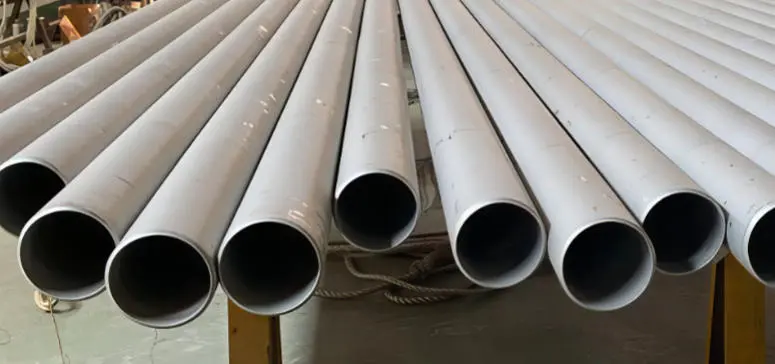
Outside widths range from 3.18 mm (1/8" to 5"), and wall thicknesses range from 0.38 mm to 12.7 mm (0.015" to 0.500"). 5.8 m, 6 m, 11.8 m, and 12 m are the standard lengths. Widths can be cut to order. A wall thickness error of -12.5% is allowed by ASTM A213. So, the people in charge of buying things need to make sure that the sizes that sellers give them are within this range. Too much negative variation is one of the main problems in business-to-business buying. To avoid this, the mill needs to use a laser to check the dimensions and do hydraulic tests.
Key Factors in Wall Thickness Selection for ASTM A213 TP304 Tubes
Pressure Rating and Operating Temperature
What is the design pressure and temperature of your system? This will help you choose the right wall thickness. It takes thicker walls to keep the building together when there is more pressure inside. For steam service, engineers usually use ASME B31.3 or ASME Section I numbers for pressure and temperature and add a safety factor above the lowest level they've set. The material can't handle as much stress when temperatures rise above 500°C. To make up for it, the wall thickness needs to go up by the same amount.
Corrosion Allowance and Environment
Most of the time, astm a213 tp304 tube doesn't rust. However, process engineers in chemical equipment and city waterworks often add an extra 0.5 mm to 2 mm to account for rusting. It breaks down faster in places with a lot of chloride or acid. In that case, it's better to spend more on TP316L (which has molybdenum added) than to just make the walls thicker. When you set the right amount from the start, repairs don't happen too soon, and downtime doesn't happen when you least expect it.
Cost Efficiency Without Overspecifying
You should not hurry when picking out the right seamless stainless steel tube for a system that works with high temperatures or pressure. In business-to-business buying, the ASTM A213 TP304 tube is still one of the best choices whether you need it for a boiler loop, a shell-and-tube heat exchanger, or an industrial superheater. You can use this guide to help your technical and purchasing team make confident decisions from the very first inquiry. It goes over specifications, wall thickness logic, grade comparisons, and procurement strategies.
Grade Selection: Comparing ASTM A213 TP304 with Related Grades
TP304 vs. TP304L and TP304H
It is better for welded parts where heat-affected zone sensitivity is a problem because TP304L only allows 0.035% carbon. When you heat TP304H above 550°C, it sets a carbon floor of 0.04% to make the creep strength better. It is the best choice for long-term use at high temperatures because of this. The standard TP304 is in the middle of these two grades. That is why it is strong and simple to weld. This makes it a good choice for boiler and heat exchanger work that doesn't need either of the very high carbon specs.
TP304 vs. TP316 and TP321
TP316 adds 2% to 3% molybdenum, which makes it much less likely to pit or rust in places with a lot of chloride, like seawater systems or some pharmaceutical processes. Titanium is used as a stabiliser in TP321 to keep it from giving way when working at temperatures above 425°C, so it doesn't need to have a low carbon content. Before upgrading, procurement managers should talk to the process engineer to make sure that the operating environment really needs it. Both grades cost more than TP304.
Seamless vs. Welded Tubes Under A213
ASTM A213 has specific rules for seamless tubes, which don't have any longitudinal weld seams and don't have any weld-related failure risk in pressure service. Seamless tubes have the same mechanical properties across the whole cross-section, which is very important for boiler and superheater uses. As the width gets bigger, welded tubes (ASTM A249) are cheaper, but they need 100% eddy current testing to make up for the weld seam. Seamless is still the best choice for heat exchangers that work with cyclic thermal loads.
Procurement Tips and Market Insights for ASTM A213 TP304 Tubes
Verifying Supplier Certifications and Material Traceability
An EN 10204 3.1 Mill Test Certificate (MTC) is the first thing to ask for when evaluating a supplier of Astm a213 tp304 tube. The heat number, chemistry analysis, and mechanical test results are all linked to the original steel melt by this certificate. Every batch at All Trust has full heat tracking and is backed by an independent spectrographic study. We also let SGS, BV, TÜV, DNV, and ABS inspect the goods on our behalf, so your quality team or the end customer can check them before they are shipped.
Before making an order, buyers should make sure of the following quality checks:
- Chemical PMI (Positive Material Identification): Independently verify Cr and Ni content against the reported heat chemistry to eliminate substitution risk.
- Dimensional Laser Inspection: Confirm OD and wall thickness sit within the −12.5% tolerance limit mandated by ASTM A213.
- Nondestructive Testing (NDT): Eddy current, ultrasonic, and hydrostatic testing detect surface flaws, internal voids, and pressure leaks before dispatch.
- Mechanical Test Reports: Flattening, flaring, and tensile tests per ASTM A1016 validate ductility and structural performance under service conditions.
Together, these steps keep your production line from getting low-quality materials that only show their flaws after they've been installed.
Lead Times, MOQ, and Market Pricing
The spot prices of nickel and chromium have a direct effect on the price of TP304 tubes. Nickel prices hovered between $16,000 and $18,000 per metric ton for most of 2023 and 2024. This made the TP304 price vulnerable to changes in the LME. When planning purchases, locking in prices on stock orders speeds up the decision-making process. All Trust has stores near Tianjin, Shanghai, Qingdao, and Shenzhen that hold more than 5,000 tons of stock. Stock orders are shipped within 3–5 days. It takes 15–20 days to ship custom orders. Low MOQ is available for prototype batches and small-batch custom dimensions, which frees up capital that would have been used to buy extra inventory.
Practical Applications and Case Studies of ASTM A213 TP304 Tubes
Power Generation and Industrial Superheaters
In coal-fired and biomass power plants, the superheater tubes have to be able to handle high-pressure steam that comes at very high temperatures, which is hard for most alloys. A medium-sized power equipment OEM in East China moved from a standard local grade to All Trust's A213 TP304 seamless tubes that came with backed-up MTC paperwork. The result was a clear drop in the amount of time needed for upkeep, thanks to consistent wall thickness and solution-annealed surface integrity that the old provider couldn't promise.
Chemical Equipment and Food Machinery
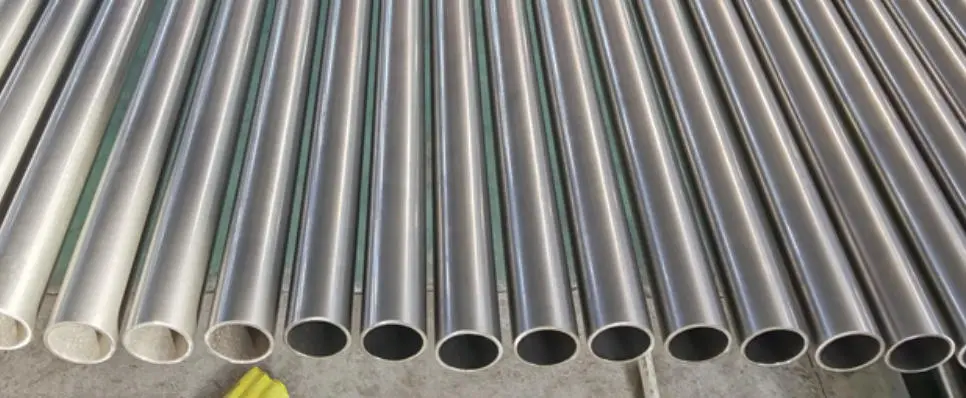
A company that makes chemical equipment wanted to export to the Middle East and needed tubes that met ASTM A213 standards and could be inspected by a third party. When the process called for molybdenum resistance, All Trust supplied 316L-equivalent tubes. For secondary heat exchanger circuits, they sent TP304 tubes. Transport damage was avoided by putting the items in fumigated plywood crates with plastic end caps and waterproof wrapping. This was a problem the buyer had with a previous seller, whose bundles always came with surface dents and rust stains.
Conclusion
Choosing the correct wall thickness and grade for your astm a213 tp304 tube order is a technical choice that has a direct impact on the safety of the system, its service life, and the cost of procurement. Your team can quickly approve materials as long as they have a good understanding of the chemical and mechanical needs, check the tolerances for sizes, and work with a supplier who offers full certification and third-party inspection access. If you care more about a steady supply, checked material quality, and the ability to work with middle batches, then the lowest price on the market is not as important.
FAQ
Is TP304 suitable for high-temperature boiler service?
Yes. TP304 maintains adequate strength and oxidation resistance up to 870°C (1,600°F) under ASTM A213 / ASME SA213. For continuous service above 550°C where creep strength becomes critical, TP304H with its higher carbon floor is the preferred specification.
What is the difference between TP304 and TP304L in practical procurement terms?
TP304L limits carbon to 0.035% maximum versus 0.08% for standard TP304. The lower carbon content prevents carbide precipitation in the heat-affected zone during welding, reducing sensitization risk. If your fabrication involves extensive welding without post-weld annealing, TP304L is the safer procurement choice.
What wall thickness tolerance should I expect from an ASTM A213–compliant tube?
ASTM A213 permits a minimum wall thickness no less than 87.5% of the specified nominal wall, meaning a maximum negative deviation of −12.5%. Any tube consistently measuring below this threshold fails the standard. Request dimensional laser inspection reports to confirm compliance before acceptance.
How do I confirm the tube material is genuine TP304 and not a substitute?
Request an EN 10204 3.1 MTC and cross-check the heat number against the PMI test result on the actual tube. The MTC must show Cr between 18.0%–20.0% and Ni between 8.0%–11.0%. A reliable ASTM A213 TP304 tube supplier will provide both documents without hesitation.
Source Your ASTM A213 TP304 Tubes from All Trust — Request a Quote Today
Hebei All Trust Steel Co.,LTD provides high-quality, seamless TP304 tubes that meet EN 10204 3.1 MTC standards. They also offer third-party inspection support and flexible order quantities that are perfect for medium-sized manufacturers who can't afford material surprises. We answer questions within an hour during business hours and ship stock orders in 3–5 days as a reliable Astm a213 tp304 tube provider. You can email our team at info@hballtrust.com or go to hballtrust.com to get specifications, samples, or a competitive quote that is made just for your project.
References
1. ASTM International. ASTM A213/A213M: Standard Specification for Seamless Ferritic and Austenitic Alloy-Steel Boiler, Superheater, and Heat-Exchanger Tubes. 2022.
2. ASME. ASME SA-213/SA-213M: Specification for Seamless Ferritic and Austenitic Alloy-Steel Boiler, Superheater, and Heat-Exchanger Tubes. ASME Boiler and Pressure Vessel Code, Section II, Part A. 2023.
3. ASTM International. ASTM A262: Standard Practices for Detecting Susceptibility to Intergranular Attack in Austenitic Stainless Steels. 2021.
4. ASTM International. ASTM A1016/A1016M: Standard Specification for General Requirements for Ferritic Alloy Steel, Austenitic Alloy Steel, and Stainless Steel Tubes. 2022.
5. Lippold, J.C., & Kotecki, D.J. Welding Metallurgy and Weldability of Stainless Steels. Wiley-Interscience. 2005.
6. Sedriks, A.J. Corrosion of Stainless Steels. 2nd ed. John Wiley & Sons. 1996.