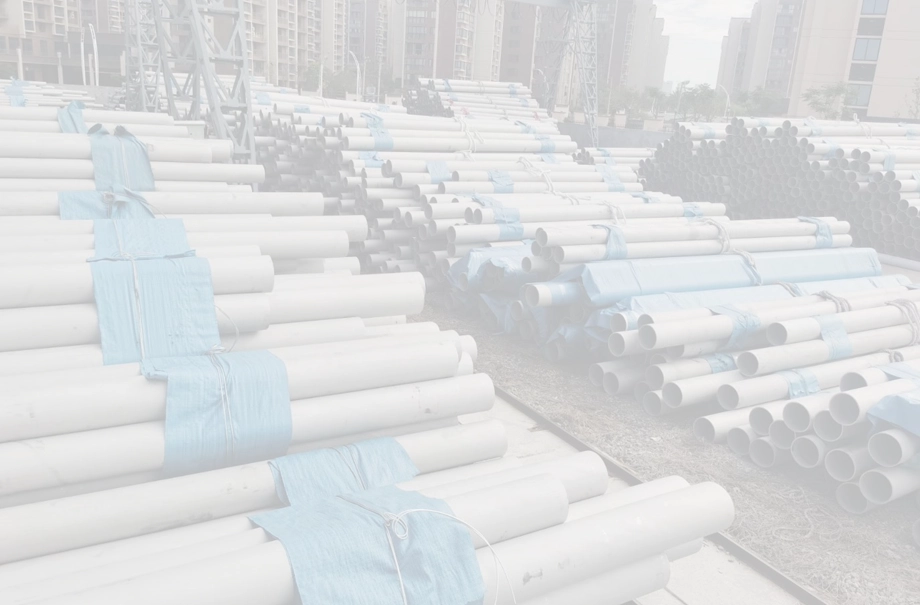
How to Choose ASTM A403 WP304 or WP304L Elbows for Welding
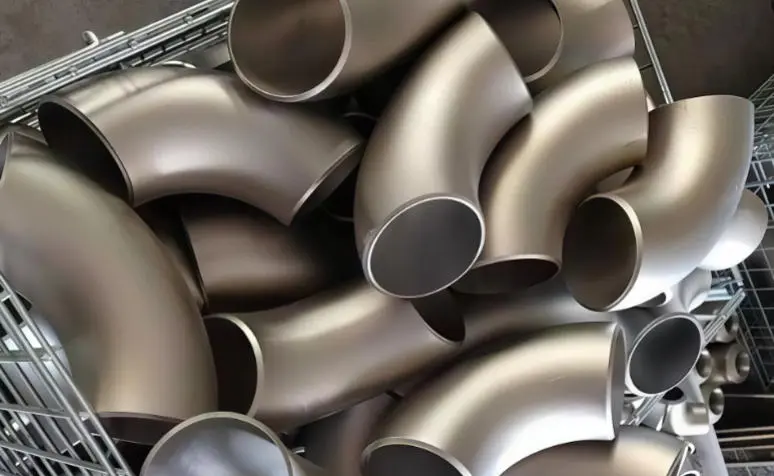
The most important thing to consider when choosing between WP304 and WP304L elbows is how they will be welded. An ASTM A403 WP304 WP304L elbow is a wrought austenitic stainless steel fitting made according to ASTM A403 and ASME SA403. It changes the direction of fluid flow in systems with pressure pipes. WP304 has a slightly higher tensile strength, while WP304L doesn't form carbides in heat-affected areas during welding because it has less carbon (≤0.03%). WP304L is usually the better choice if your project calls for field welding without post-weld cooling. Both grades can be used for NPS 1/2" to 48" across wall plans from Sch 10S to Sch 80S.
Understanding ASTM A403 WP304 and WP304L Elbows
Before comparing grades, it's helpful to know what these fittings are and how the chemistry of the materials affects how well they work in real pipe systems.
Chemical Composition and Material Properties
18–20% of WP304 (UNS S30400) is chromium, and 8–10.5% is nickel. WP304L (UNS S30403) has the same profile, but it limits the amount of carbon to 0.03% instead of 0.08% like standard 304 does. That one difference decides if chromium carbides form along the edges of grains during welding. This is known as sensitisation, and it causes intergranular rust in service areas that are acidic.
Heat Treatment and Its Effect on Welding Performance
After being formed, both grades go through full solution annealing, which is usually done at 1040–1100°C. This is followed by rapid water quenching. This process recrystallizes the structure core, makes the material flexible again, and gets rid of any carbides that formed during hot forming or cold pressing on a mandrel. Because WP304L has a lower carbon baseline, there isn't much chance of carbide reprecipitation happening during field welding, even if there isn't a heat treatment step after the welding.
Verifying ASTM Compliance Before Purchase
Genuine fittings have clear stencilling that shows the standard (ASTM A403 or ASME SA403), grade, schedule, and heat number. Ask for an EN 10204 3.1 Mill Test Certificate (MTC) that has a specific heat number on it at all times. Positive Material Identification (PMI) testing with XRF or OES confirms that the levels of chromium and nickel are within the limits set by the specification. To finish the testing process, the outside width, center-to-end distance, and wall thickness are checked against the limits set by ASME B16.9.
Key Differences and Comparison of WP304 vs WP304L Elbows
By knowing the detailed differences between these two grades, you can avoid making mistakes that cost a lot of money. Here is a straight comparison of the most important things in buying.
Mechanical Performance
This ASTM A403 WP304 WP304L Elbow has a minimum yield strength of 215 MPa and a minimum tensile strength of 515 MPa for WP304. The minimum tensile strength for WP304L is 515 MPa, and it gives 205 MPa. For most low- to medium-pressure uses, the 10 MPa yield gap doesn't matter. Both grades have elongation values of at least 35%, which means they are very flexible and can be bent and shaped without cracking.
Corrosion Resistance and Temperature Tolerance
WP304L works better in situations where elbows are welded in place, and there is no cooling after the welding. Its low carbon content stops the loss of chromium along grain boundaries that happens in standard 304 when it is exposed to acidic or chloride-containing media. In sporadic service, both grades don't scale up to about 870°C. Both of them are good for cryogenic work down to -196°C, which means they can be used for LNG secondary pipes.
When to Consider WP316 Instead?
WP316 adds 2–3% molybdenum to the metal, which makes it much more resistant to salt pitting and crevice corrosion. WP316 or WP316L is worth the extra cost if your pipe system deals with chlorine process streams, ocean cooling, or strong chemical mixes at high temperatures. For low-pressure drains, food preparation, chemical plumbing, and public water supply, WP304L is a good choice because it is less expensive and doesn't rust.
How to Choose the Right Stainless Steel Elbow for Your Welding Project?
To choose the right grade, you need to make sure that the qualities of the material fit the conditions of service. Skipping this step adds up to a lot of extra work that costs a lot more than the savings from picking the cheaper choice.
Assess Pressure, Temperature, and Fluid Compatibility
First, make sure you understand the design pressure and the temperature range for operation. Next, figure out what kind of fluid is being used—gas, water, a food-grade product, or a chemical mix. Sanitary rules must also be followed in food and drink lines (3-A or FDA-compliant surface finishes such as mechanically polished or acid-pickled). Long-radius (LR) elbows in Sch 10S or Sch 40S are usually specified by municipal waterworks to keep pressure drop and turbulence to a minimum when the flow direction changes.
WP304 vs WP304L: Matching Grade to Application
Based on popular job types, here is a useful decision-making guide:
- When elbows will be bolted or mechanically joined and not much welding will be done, or when the system will go through full post-weld solution annealing, the slightly higher base strength will help.
- When field welding is the main way to join things, when post-weld heat treatment is not possible, or when the fluid is slightly acidic and cleanliness is important, use WP304L. Dual-certified WP304/WP304L fittings meet the requirements for both grades from a single inventory SKU, which makes buying them easier.
- Carbon steel elbows should only be used in non-corrosive, non-food-grade situations where cost is the most important factor and corrosion is taken into account when wall thickness is calculated.
These differences help procurement managers and technical directors match the requirements for materials with the level of risk that the project can handle. This way, costly changes can be made without having to start over.
Supplier Credibility and Certification Requirements
When you buy ASTM A403 WP304 WP304L Elbows, you should always ask for EN 10204 3.1 MTC papers before you pay, not after the items have been shipped. Check to see if the supplier will let a third party from SGS, BV, TUV, DNV, or ABS inspect the goods. Ask for the results of the ASTM A262 Practice E intergranular rust test for WP304L that will be used in dangerous chemicals. If a seller isn't sure about any of these things, it adds a risk to the purchase that can't be fixed by a price cut.
Procurement Best Practices for ASTM A403 WP304 and WP304L Elbows
To quickly find these pieces, you need to know where to look and what questions to ask. For standard sizes, the procurement cycle takes two to four weeks from the time of the inquiry to the time of shipment.
Where and How to Source Quality Fittings?
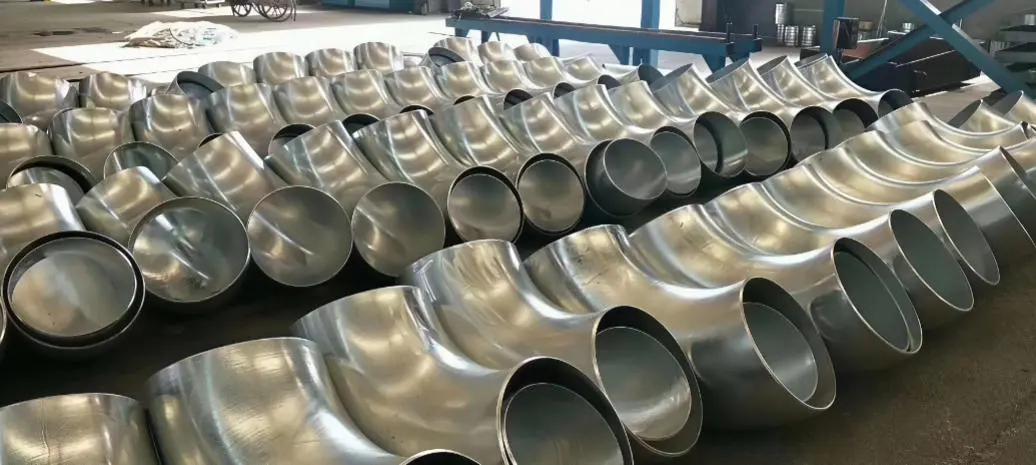
The full NPS range is stocked by reliable makers and ASTM A403 WP304L elbow providers in both long-radius (LR) and short-radius (SR) versions with 90-degree and 45-degree shapes. Find suppliers that offer both seamless (WP-S) and welded (WP-W) wall schedules from Sch 5S to Sch XXS. Containers can be loaded within days instead of weeks when common sizes are in stock.
Evaluating Supplier Credentials
Check that the provider is certified to ISO 9001:2015, see if they provide heat-traceable paperwork, and make sure that non-destructive testing (UT, PT, and RT/X-ray for welded parts) is required and not just a choice. ASTM A262 tests for intergranular rust. A strong sign of good focus is Practice E. Dimensional inspection reports that match ASME B16.9 and bevelled ends that match ASME B16.25 show that the manufacturing was done correctly.
Negotiating MOQ, Lead Times, and Packaging
It's common for medium-sized buyers to get stuck paying for more than they need right away. Suppliers who really keep a lot of stock on hand can offer flexible minimum order amounts for common needs. Make sure that the export packing includes steel strapping, foam-wrapped individual fittings, and wooden boxes with plastic film protection. This keeps the goods from getting dents and scratches during transport, which can lead to rejection when they arrive.
Case Studies and Application Areas of WP304L Elbows
This material choice reasoning is supported by the fact that WP304L elbows are used in a lot of different places and have been shown to work well there.
Chemical Processing and Municipal Water
Some chemical distribution lines use WP304L elbows that are welded in place. These elbows have been shown to last more than 15 years without showing any signs of wall thinning at the weld points. Water systems in Southeast Asia and the Middle East use LR elbows in Sch 10S to cut down on the amount of pump head needed and the cost of running the system over its lifetime.
Food, Beverage, and Pharmaceutical Piping
WP304L is a good choice for sanitary pipes in Clean-in-Place (CIP) systems in food and drink plants because its surface doesn't mix with other chemicals and it can stand up to harsh cleaners. Acid-pickled or manually polished finishes get rid of cracks where germs can grow, which meets 3-A standards for healthy design.
Oil, Gas, and Cryogenic Applications
While it's as cold as -196°C, WP304L stays in shape in LNG secondary lines and oil transfer heads. It's better than carbon steel alternatives that become brittle below -40°C because it stays flexible. This means that maintenance and inspections can be done more often.
Conclusion
It's easy to choose between WP304 and WP304L elbows once you know how ASTM A403 WP304 WP304L Elbow products will be used. WP304L is better for welded parts that will be used in food-grade or corrosive environments. WP304 is better for uses that don't need to be welded and can be heated afterward. Fittings that are dual-certified meet the needs of both grades and make it easier to keep track of inventory. Providers who offer EN 10204 3.1 MTCs should be given more weight. They should also have a third party check their goods and keep real stock across the whole schedule range. Get approval and tracking from the beginning to protect both the quality of the product and the project's schedule. It is not worth it to try to get the lowest unit price.
FAQ
What is the main chemical difference between WP304 and WP304L?
The amount of carbon is what makes them different. WP304 lets up to 0.08% of carbon in, but WP304L only lets 0.03% in. When you weld WP304L, chromium carbide doesn't form at the edges of the grains because it has less carbon. Intergranular corrosion can't happen in the heat-affected zone because of this.
Can WP304L elbows be used for high-temperature service?
Both grades can handle oxidation up to about 870°C when they are used occasionally. But WP304 shouldn't be used in temperatures above 425°C because it might become sensitive. Both grades should not be used for long periods of time above 800°C without first being looked at by a professional. WP304L is better for soldered parts.
How do I verify that an elbow meets ASTM A403 requirements?
Get an EN 10204 3.1 Mill Test Certificate that is linked to a certain heat number. As part of ASTM A403. Check the chemical makeup and test data for mechanical strength. When you get the goods, do PMI (XRF or OES) on them and check their sizes against ASME B16.9. Ask for RT or UT test records that cover the gap if the parts are welded (WP-W).
What does dual certification mean for WP304/WP304L?
A dual-certified fitting is one that works with both WP304 and WP304L and meets their chemical and mechanical needs. It's possible because WP304 only allows 0.08% carbon in heats that have less than 0.03% carbon of carbon. Due to dual licensing, buyers don't have to keep as many SKUs on hand, but they still have to make sure they follow all the rules.
Get Your ASTM A403 WP304 WP304L Elbow Quote from All Trust Today
Over 5,000 tons of common LR/SR shapes are kept in stock by All Trust Steel (Hebei All Trust Steel Co.,LTD). These shapes range from NPS 1/2" to 48" in Sch 10S through Sch 80S. Our business has been checked out as a real ASTM A403 WP304 WP304L Elbow provider. We provide full EN 10204 3.1 MTC paperwork, let SGS, BV, or TÜV check our products, and ship stock orders within 3–5 days. Send an email to info@hballtrust.com to get a special price, a sample MTC review, or to find out if we have any stock.
References
1. ASTM International. ASTM A403/A403M: Standard Specification for Wrought Austenitic Stainless Steel Piping Fittings. ASTM International, 2022.
2. ASME. ASME B16.9: Factory-Made Wrought Buttwelding Fittings. American Society of Mechanical Engineers, 2018.
3. ASME. ASME SA403/SA403M: Standard Specification for Wrought Austenitic Stainless Steel Piping Fittings. ASME Boiler and Pressure Vessel Code, Section II, 2021.
4. International. ASTM A262: Standard Practices for Detecting Susceptibility to Intergranular Attack in Austenitic Stainless Steels. ASTM International, 2021.
5. McGuire, Michael F. Stainless Steels for Design Engineers. ASM International, 2008.
6. Lula, R. A. Stainless Steel. American Society for Metals, 1993.