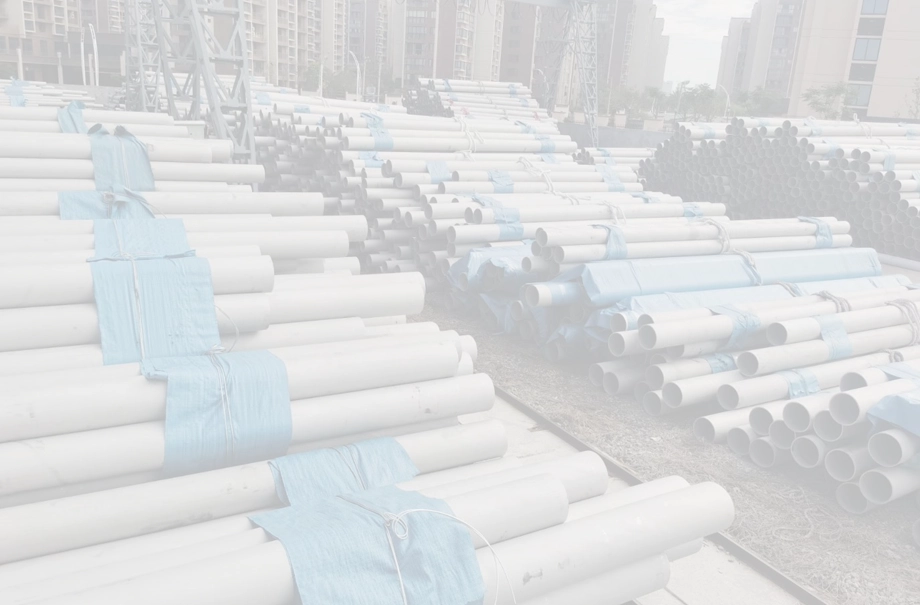
How to Verify EN 10216-5 1.4404 Tube Material Traceability
Verifying material traceability for an EN 10216-5 1.4404 tube is not complicated once you know what to look for. This grade — the European designation for 316L low-carbon molybdenum-bearing seamless stainless steel — must carry a documented chain of evidence from the original steel melt through every production stage to your warehouse door. That chain includes a valid EN 10204 3.1 Mill Test Certificate (MTC), a heat number stamped on each tube, and confirmed chemical composition showing 16.5–18.5% Cr, 10.0–13.0% Ni, and 2.0–2.5% Mo. Without these elements, you cannot confidently confirm what you purchased.
Understanding Material Traceability in EN 10216-5 1.4404 Tubes
What Material Traceability Actually Means?
Being able to show that you can follow a product from its raw block to its finished tube is what it means to be traceable. If you look at a set of chemical results, a record of mechanical tests, and a 1.4404 seamless tube made according to EN 10216-5, you can find every piece that was made. But without this chain, you can't be sure that the material that your engineer told you about in the building tube really is there.
Key Documents You Must Receive
The X2CrNiMo17-12-2 tube should always have three important papers inside it. The seller cannot issue or sign the EN 10204 3.1 MTC. It must be done by a member of the mill's own inspection team. The heat number, the chemistry analysis (with less than 0.03% carbon), the yield strength (Rp0.2 ≥ 190 MPa), the tensile strength (490–690 MPa), and the extension (≥ 45%) must all be written down. For applications that are regulated by the PED, you need a 3.2 certificate that has been co-signed by a separate notified body.
Why Heat Numbers Are the Anchor of Traceability?
The heat number is the only thing that connects a real tube to its MTC. According to EN 10216-5, every tube that is made must have permanent markings on it that show the name of the manufacturer, the standard reference, the grade name (1.4404), the heat number, and the delivery condition group (TC1 or TC2). The track record is broken if the heat number on the tube does not match the number on the MTC. You can't trust the material until PMI (Positive Material Identification) testing shows what it is made of.
Step-by-Step Process to Verify 1.4404 Tube Traceability
Step 1 — Authenticate the Mill Test Certificate
Ask for the real MTC, not a copy or a scanned copy where the fonts have been changed. The mill that made the document should have records of being registered for ISO 9001:2015 and following PED 2014/68/EU. The certificate should clearly state that it is in line with EN 10216-5, show the correct grade (1.4404 / X2CrNiMo17-12-2), and include test results for intergranular corrosion that are in line with EN ISO 3651-2. If the seller of any MTC doesn't have these parts, they need to explain right away before the buyer pays. *
Step 2 — Compare Chemical Data Against the Standard
For en 10216-5 1.4404 tube, EN 10216-5 sets chemical limits that must be met. Find the MTC numbers and see how they match up with the known specs. It's important to pay close attention to the carbon level (0.03%). A higher carbon content makes it more likely that carbide will form at the edges of grains when they are welded. This low-carbon grade is meant to stop this from happening. Also, make sure the molybdenum level is between 2% and 2.5%. This element is important for seawater, purification, and medical use because it keeps chloride pits from forming.
Step 3 — Inspect Physical Tube Markings and Run NDT Checks
To take a tube, you must physically match the MTC to the printer's or painter's heat number. For work with high pressure or acids, ask the seller to give you records of 100% eddy current tests and ultrasonic tests (UT) that go along the whole length of the tube. If tubes are going to be used in chemical labs or pipes along the coast, they should also have proof that they passed a hydrostatic pressure test. They have to be done according to EN 10216-5, and keeping records of them is a big part of keeping track of everything.
Common Challenges and How to Overcome Them
Incomplete or Inconsistent Documentation
One of the most frequent issues buyers encounter is receiving an MTC that lists a different heat number from what appears on the tubes, or an MTC that omits the intergranular corrosion test entirely. The practical solution is to specify in your purchase order that EN 10204 3.1 certification is mandatory, and that the MTC must include all mechanical, chemical, and NDT results before goods leave the mill. Make this a contractual condition, not an afterthought.
Material Substitution and Substandard Chemistry
Market substitution — where a supplier ships 304 or a lower-molybdenum grade while invoicing for 1.4404 — is a real commercial risk. PMI analysis using X-ray fluorescence (XRF) equipment can detect this on arrival. Reputable suppliers accept third-party inspection by SGS, BV, TÜV, or DNV at the mill before shipment. Insisting on pre-shipment inspection converts this risk from a discovery problem into a prevention measure.
Mislabeling and Batch Confusion in Transit
Long-haul ocean shipments sometimes arrive with damaged or missing tube markings. Hexagonal bundle packaging with individual plastic end caps and waterproof sleeve wrapping significantly reduces this risk. Requiring your supplier to provide a packing list that maps bundle numbers to heat numbers gives you a secondary reference if physical markings are worn. Digital tools — including QR-coded heat labels — are increasingly offered by mills and distributors to maintain batch identity throughout transit.
How Material Traceability Impacts Purchasing Decisions and Compliance?
Reducing Regulatory and Liability Exposure
Law says that when en 10216-5 1.4404 tube products are used in PED-regulated pressure systems or pharmaceutical clean utilities, they must have traceability documentation. You can't choose. A Southeast Asian engineering firm had to shut down the whole system during a third-party audit in 2022 because they couldn't make valid MTCs for stainless tubes in a chemical reactor. This meant that weeks of production had to be lost. These things don't happen when you check tracking before installation.
The True Cost-Benefit of Verified Traceability
Buyers sometimes think that MTC proof is extra work that they need to do. In real life, getting a fake or incomplete certificate and not getting caught can cause a lot of trouble, make you claim on your warranty, and get you fined a lot more than the cost of the certificate itself. Buyers often say that over a 12- to 24-month supply cycle, there are fewer production breaks and lower total cost of ownership when they look at a supplier's tracking quality along with price and wait time.
Traceability as a Competitive Signal for Export Orders
If a company makes chemical or food gear and sells it in Europe or the Middle East, they should be able to show their buyers all the paperwork they need to follow EN 10216-5. This is good for business. In those markets, buyers often look at their suppliers' records of materials. You will get more praise from your customers and get their orders approved faster if you give them a full traceability package with MTC, NDT reports, PMI results, and third-party inspection sign-off.
Leveraging Trusted Suppliers for Verified 1.4404 Tube Procurement
Evaluating Supplier Credentials Before You Order
Before you buy X2CrNiMo17-12-2 seamless tubes from a seller, make sure they are ISO 9001:2015 qualified, can show you information that meets PED 2014/68/EU standards, and have connections with approved mills. Talk to them about it and ask if they give out 3.1 or 3.2 badges and don't mind if someone else checks them out. It's harder to find materials once they're on the way if the seller isn't sure about any of these things.
What Hebei All Trust Steel Offers
These steel tubes are made by Hebei All Trust Steel Co., Ltd. and have been meeting EN 10216-5 standards since 2006. They make more than 15,000 tons of them every year. There are four steps in the company's quality control system that are meant to keep full heat-number tracking. These steps are auditing the seller, keeping an eye on production, getting an independent NDT, and providing final proof in writing. All Trust lets SGS, TÜV, BV, DNV, and ABS do third-party inspections, and they include real EN 10204 3.1 MTCs with every purchase.
Product Range Aligned to Your Engineering Needs
All Trust has a 1.4404 tube that you can buy. The OD runs from 6.0 mm to 609.6 mm, the wall thickness from 0.5 mm to 40.0 mm, and the lengths can be set to any length, or they can be standard 6.0 m or 12.0 m cuts. Solution annealed and pickled (CFA), bright annealed (CFB), or electro-polished are the different ways to finish the surface. When things are sent over long distances, they are kept safe with hexagonal ocean bundles that have high-tensile steel strapping and individual pipe-end closures.
Conclusion
Being able to keep track of the materials used is the first step in getting en 10216-5 1.4404 tube products in a smart way. To avoid taking unnecessary risks when buying something, make sure the chemical composition data is correct, check the MTC, and compare the heat numbers to the markings on the tube. You can also ask for third-party NDT records. It's better for buyers to be sure of the quality of the materials they buy when they do these checks on a regular basis. This also helps buyers get project approvals faster and keep customers longer.
FAQ
How do I confirm that a mill test certificate is genuine?
Request the original document directly from the manufacturer and verify the mill's name against its ISO 9001 registration. The MTC must reference EN 10216-5, list the grade as 1.4404 or X2CrNiMo17-12-2, and carry the mill inspector's signature. If anything looks inconsistent, request a PMI test or engage a third-party inspector such as SGS or TÜV to conduct an independent review before payment.
How is EN 10216-5 traceability different from ASTM A312?
Both standards require full documentation of chemical and mechanical test results. EN 10216-5 uses EN 10204 3.1/3.2 certificates and specifies TC1/TC2 delivery categories. ASTM A312 uses a certified material test report (CMTR). The heat number requirement and physical marking rules are similar, but the specific test methods — for example, EN ISO 3651-2 for intergranular corrosion versus ASTM A262 — differ between the two standards.
What is the fastest way to verify tube grade on arrival?
Portable XRF (X-ray fluorescence) PMI analysis is the fastest field method. It gives a real-time elemental reading in under 30 seconds and can confirm whether molybdenum, chromium, and nickel levels match the 1.4404 specification without damaging the tube. Most reputable suppliers will provide their own PMI reports as part of the shipment documentation, but receiving-side verification on a sample basis remains good practice.
Request a Verified EN 10216-5 1.4404 Tube Quote from All Trust Today
If you need certified 1.4404 seamless stainless steel tubes with full EN 10204 3.1 paperwork, 100% NDT records, and full third-party inspection help, All Trust is the place to go. This makes us a trustworthy En 10216-5 1.4404 tube provider for getting chemicals, medicines, and naval goods. Orders from stock are sent out in 3–5 days, and with a low MOQ, we can also make items in other sizes. You can get an example MTC, a personalized price, or technical help from a professional by going to hballtrust.com or emailing us at info@hballtrust.com.
References
1. European Committee for Standardization (CEN). EN 10216-5: Seamless Steel Tubes for Pressure Purposes — Technical Delivery Conditions, Part 5: Stainless Steel Tubes. 2013.
2. European Committee for Standardization (CEN). EN 10204: Metallic Products — Types of Inspection Documents. 2004.
3. International Organization for Standardization. ISO 3651-2: Determination of Resistance to Intergranular Corrosion of Stainless Steels — Part 2: Ferritic, Austenitic, and Ferritic-Austenitic (Duplex) Stainless Steels. 1998.
4. ASTM International. ASTM A312/A312M: Standard Specification for Seamless, Welded, and Heavily Cold Worked Austenitic stainless steel pipes. 2022.
5. European Parliament and Council. Pressure Equipment Directive 2014/68/EU. Official Journal of the European Union, 2014.
6. International Organization for Standardization. ISO 9001:2015: Quality Management Systems — Requirements. 2015.