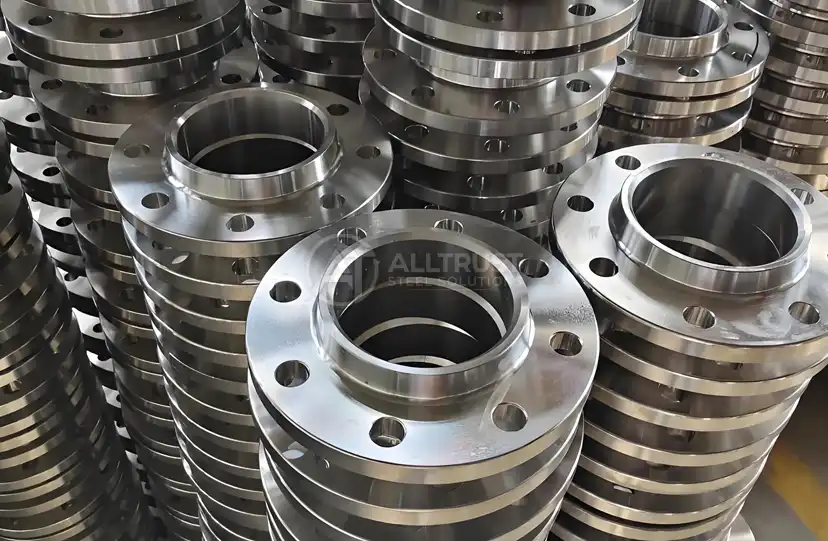
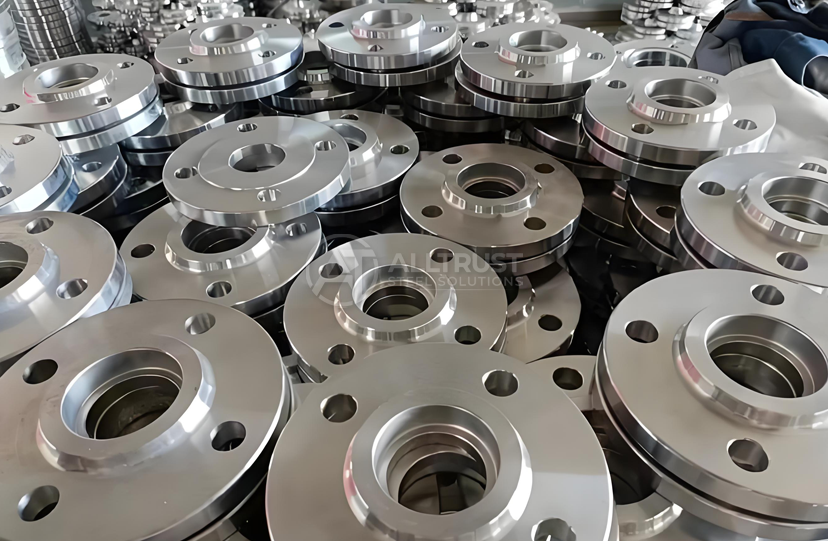
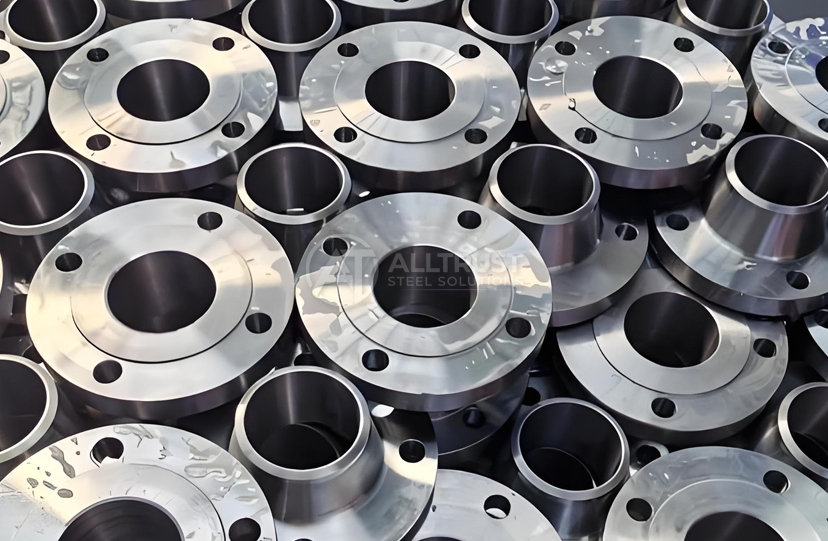
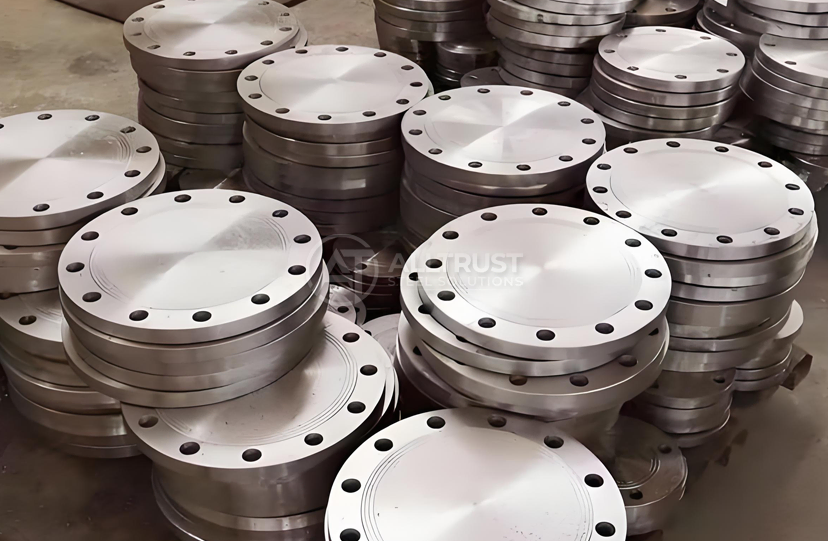
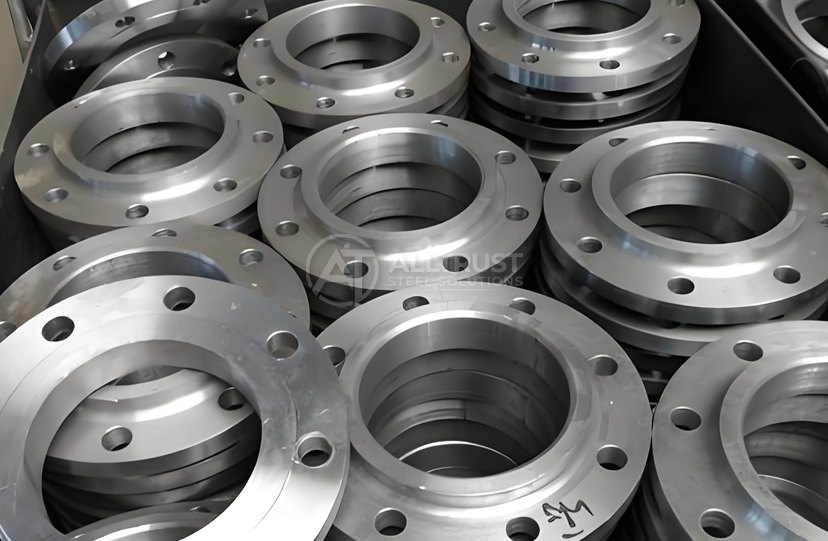
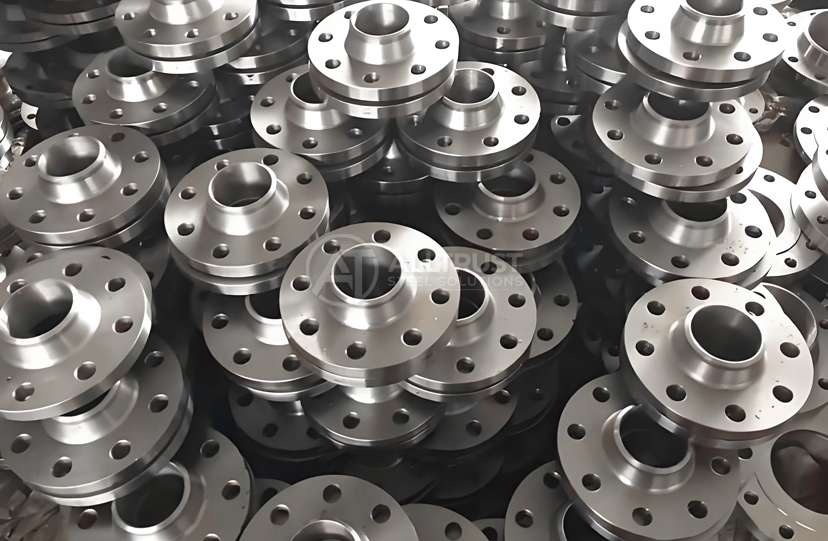
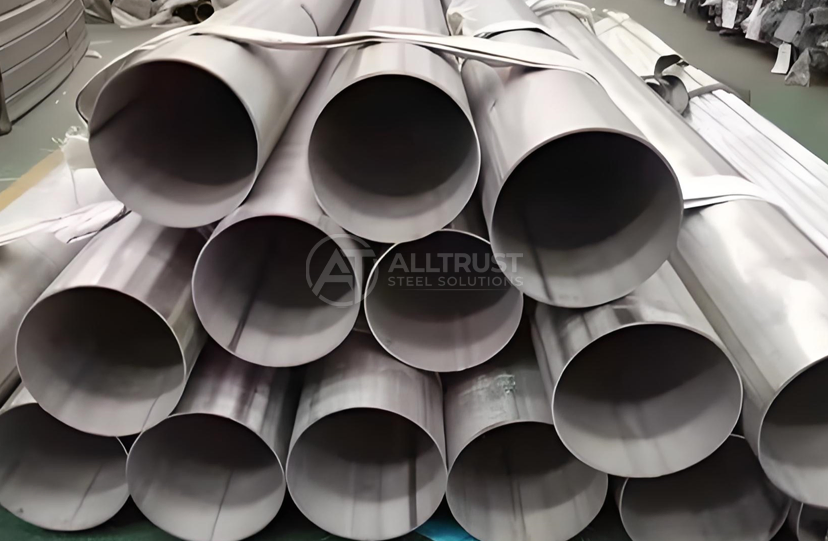
ASME B16.5 ASTM A182 F316 F316L Socket Weld Flange
2. Standard: ASME B16.5 / ASTM A182, the globally trusted benchmark for severe-duty forged pressure equipment pipelines
3. Process: Advanced heavy forging from premium ingots, featuring precision-machined internal recessed sockets for pipe insertion
4. Size Range: Socket Welding (SW) configurations matching standard small-bore pipelines up to Class 2500 heavy pressure limits
5. Heat Treatment: Mandatory high-temperature solution tempering to completely remove mechanical stresses and restore alloy balance
6. Surface Finish: Clean uniform acid-pickled passivated matte, or CNC-machined sealing face with spiral serrated grooves
7. Application: Coastal desalination lines, marine small-bore hydraulic controls, high-salinity manifolds, and acidic process plumbing
8. Service Advantage: 100% ultrasonic defect verification (UT), 100% PMI verified, and full material heat traceability certificates
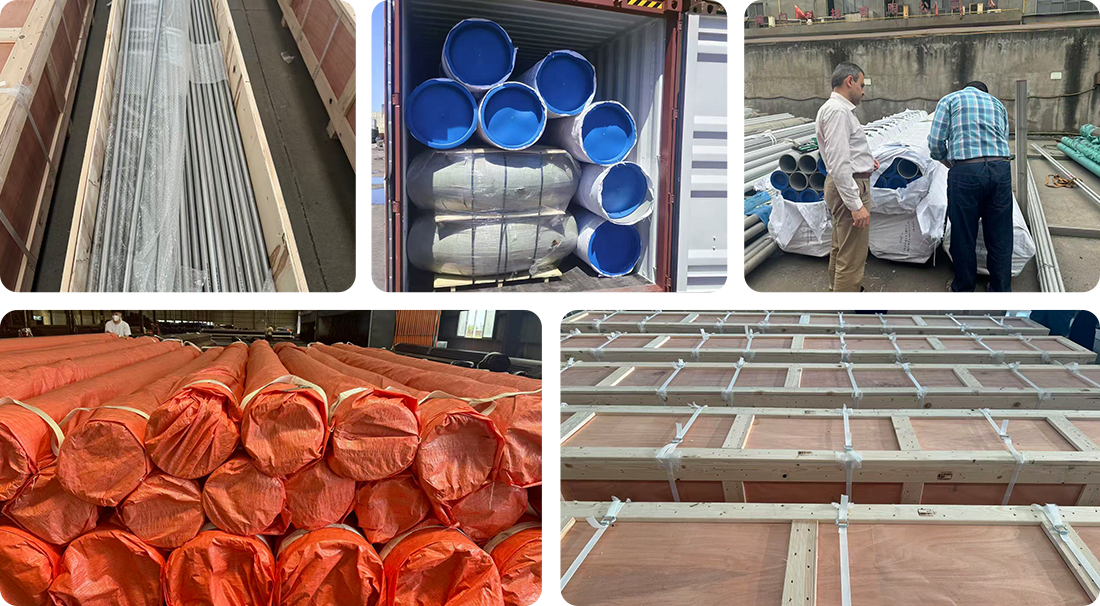
9. Packaging: Secure international crate packing with protective thick dividers to prevent mechanical impact scratches
10. Key Advantage: Smooth bottom bore design eliminates internal weld crevices, drastically reducing localized crevice corrosion and fluid turbulence
ASME B16.5 ASTM A182 F316 F316L Socket Weld Flange - Premium Forged Marine-Grade Piping Solution for High-Pressure Chemical and Offshore Applications
HEBEI ALL TRUST STEEL CO., LTD delivers precision-engineered ASME B16.5 ASTM A182 F316 F316L Socket Weld Flange solutions designed for demanding small-bore piping systems. Our flanges are made from dual certified F316/F316L stainless steel with a molybdenum concentration more than 2%, providing excellent resistance to pitting and crevice corrosion in maritime settings. We produce 15,000+ tonnes per year with a 100% hydraulic testing rate and we can guaranty perfect dimensional correctness for diameters ranging from 1/2" to 3" in pressure classes up to 2500#.
All flanges are subjected to forced solution annealing and quenching in water to relieve residual tensions. Each item is guarantyd to satisfy tight ASME B16.5 tolerances and supported by EN 10204 3.1 Mill Test Certificates with 100% ultrasonic testing (UT) and Positive Material Identification (PMI) certification.
What Is an ASME B16.5 ASTM A182 F316 F316L Socket Weld Flange?
The product is a precision forged piping fitting with a recessed socket hole for pipe insertion to allow for fillet welding. It also has better fatigue life in a high-vibration environment . With a threaded connection , the flow through the pipe may be turbulent .
The dual F316/F316L certification combines the mechanical strength of the 316 grade (min. tensile strength 485 MPa) with the ultra-low carbon content of 316L (≤0.030%). This avoids precipitation of chromium carbide during welding and protects your system against intergranular corrosion.
You will find these flanges useful for small-bore applications that need leak-proof connections and simpler field alignment. Smooth Internal Bore Design Significantly decreases silt formation in corrosive fluid systems.
Technical Specifications
| Parameter | Details |
|---|---|
| Manufacturing Standard | ASME B16.5 / ASTM A182 / EN 1092-1 |
| Material Grade | F316 / F316L (UNS S31600 / S31603) Dual Certified |
| Production Process | Closed-Die Forging + CNC Socket Boring + Precision Drilling |
| Size Range | 1/2" to 3" NPS (Small-Bore Configuration) |
| Pressure Class | 150#, 300#, 600#, 1500#, 2500# |
| Flange Face Options | Raised Face (RF) / Flat Face (FF) / Ring Type Joint (RTJ) |
| Heat Treatment | Solution Annealing + Rapid Water Quench |
| Surface Finish | Serrated Concentric Grooves (125-250 Ra) / Acid Pickled |
| Connection Type | Socket Welding (SW) with Single Fillet Weld |
| Testing Protocol | 100% UT + PT + PMI + Dimensional Verification |
| Chemical Testing | ASTM A262 Practice E (Intergranular Corrosion Test) |
| Third-Party Inspection | SGS / BV / TÜV / DNV / ABS Supported |
| Quality Certificates | EN 10204 3.1/3.2 MTC, ISO 9001:2015, CE, PED |
| Packaging | Individual Foam Wrap + Plywood Crates + Socket Liners |
Why Socket Weld Flanges Outperform Threaded Alternatives
Conventional threaded fittings produce sites of internal turbulence that promote erosion in high velocity chemical flows. Socket weld flanges fix this . You will have a continuous smooth bore , with the same internal diameter as your pipe .
The fatigue resistance of the fillet weld connection is 40% greater than the threaded connections in offshore platforms prone to vibration. Your technicians will also enjoy the ease of alignment during installation, just slide the pipe into the socket and weld, no complicated thread engagement processes.
In systems with slurries or viscous fluids, the lack of thread valleys eliminates the chance of harmful sediment buildup that might cause localised corrosion or blockages.
Key Performance Advantages
Material Excellence
Our ASME B16.5 ASTM A182 F316 F316L Socket Weld Flange is forged from 100% virgin stainless steel ingots with guaranteed molybdenum content. This extra 2-3% Mo addition provides critical protection against chloride-induced stress corrosion cracking in seawater-exposed systems.
The extra-low carbon matrix (≤0.030%) retains its corrosion resistance even after extended exposure to welding heat. When you do multi-pass welding you will not have the weld degradation problems typical in conventional 316 grades.
Precision Fabrication
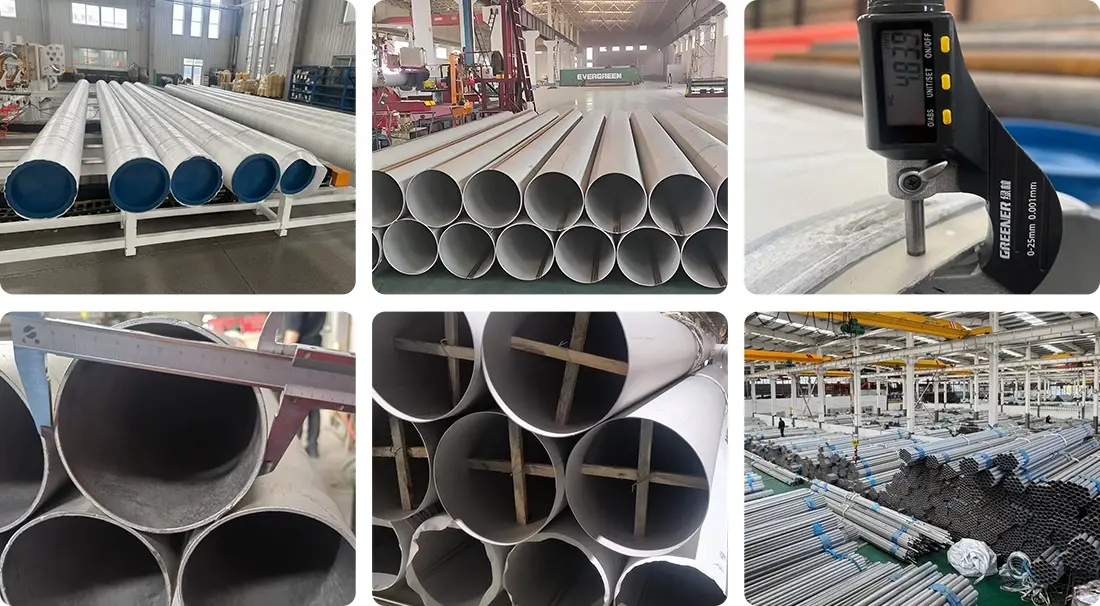
We use solution annealing in controlled environment at 1040-1100$^{\circ}$C followed by fast quenching in water. This technique entirely dissolves carbides and restores uniform microstructure and uniform mechanical characteristics across the flange body.
Our CNC machining centres keep socket bore tolerances to ±0.05mm for precise pipe fit-up on the first try. The serrated raised face finish is phonographic to give optimum gasket sitting and to minimise the possibility of joint leaking during temperature cycling.
Comprehensive Testing
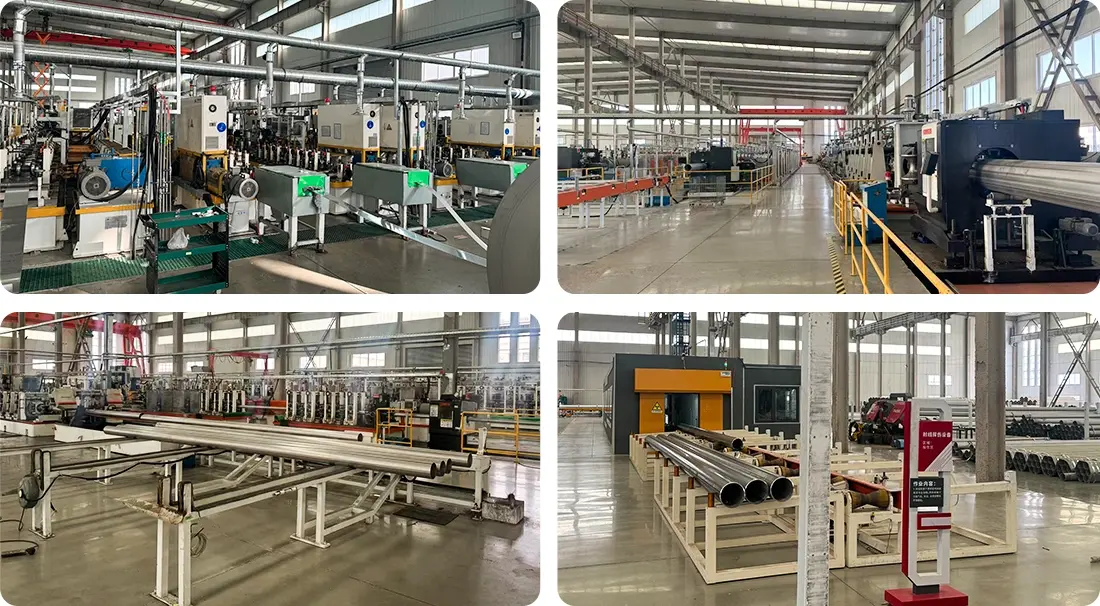
A four step inspection process is applied to each set of flanges
Stage 1: Raw material verification by spectrographic analysis of Ni ≥10%, Cr ≥16%, Mo ≥2%
Stage 2: Ultrasound testing to check for internal voids of more than 1.5mm at the socket shoulder, the area of greatest stress.
Stage 3: Liquid penetrant inspection exposes surface fractures unseen to the naked eye.
Stage 4: Dimensional laser scanning will verify socket depth, bolt hole spacing and raised face flatness to ASME B16.5 tolerance tables.
Critical Industrial Applications
Offshore Oil & Gas Platforms
In hydraulic control systems and instrument lines exposed to salt spray, this flange's chloride resistance prevents the catastrophic stress corrosion cracking that plagues inferior grades. The compact socket weld design saves valuable space in crowded skid-mounted equipment layouts.
Chemical Processing Plants
For processes using organic acids, halogenated solvents or high temperature oxidising media, the smooth socket bore prevents crevice corrosion beginning sites. The molybdenum bearing alloy is passive even in low pH situations where the normal austenitic grades are not.
Desalination Plants
Seawater reverse osmosis systems need materials that are resistant to pitting in high chloride, high temperature brine streams. Our F316L type has a low carbon content, which guaranties corrosion resistance of the heat affected zone next to the fillet welds for the whole 25-year service life of your plant.
Hydraulic Systems Marine
Better fatigue performance of the socket weld benefits small bore auxiliary steam lines and condensate return pipework. Fillet welds spread cyclic load more uniformly than butt welds, increasing service life in high-vibration shipboard situations.
Customization Capabilities for Specialized Projects
We understand that standard catalog products rarely meet the precise requirements of engineered systems. Our technical team provides:
- Micro-Calibrated Socket Bores: Custom inner diameters matching Schedule 10S through XXS wall thickness pipes with clearance tolerances as tight as 0.1mm.
- Alternative Face Finishes: From stock serrated (30-60 AARH) to smooth-finish (cold water service) or specialized tongue-and-groove configurations.
- Batch Identification: Laser-etched heat numbers, project codes, and traceability markings per your specifications.
- Extended Pressure Ratings: Class 2500 configurations for ultra-high-pressure hydrogen or supercritical CO2 service.
Our minimum order quantity flexibility accommodates both large EPC projects and small-batch prototype requirements.
Quality Assurance You Can Trust
HEBEI ALL TRUST STEEL maintains strategic partnerships with 15+ ISO-certified forging mills, ensuring supply continuity even during industry capacity constraints. Our 5,000-ton inventory includes ready-to-ship socket weld flanges in Class 150 and 300 ratings for immediate project needs.
Every shipment includes:
- Original EN 10204 3.1 Mill Test Certificates with full chemical and mechanical test data
- PMI reports confirming alloy composition
- Dimensional inspection reports with actual measured values
- Heat treatment charts documenting time-temperature profiles
- Material traceability linking finished flanges to source ingot heat numbers
Third-party inspection is welcomed at our facility. We routinely coordinate with SGS, Bureau Veritas, and TÜV for witness testing and documentation review.
Proper Installation Guidance
For optimal joint performance, follow these field practices:
Insert the pipe fully into the socket until it contacts the internal shoulder. Maintain a 1.6mm (1/16") gap between pipe end and socket bottom to allow thermal expansion. Apply a single-pass fillet weld around the pipe's outer diameter at the socket entrance.
Avoid internal root pass welding, which could create crevices prone to corrosion. The socket shoulder geometry provides inherent alignment, eliminating the need for external clamps during tack welding.
Post-weld heat treatment is typically unnecessary for F316L due to its stabilized microstructure, but consult your pressure vessel code requirements for services above 425°C.
Secure Packaging for Global Delivery
We recognize that your ASME B16.5 ASTM A182 F316 F316L Socket Weld Flange investment must arrive in pristine condition regardless of shipping distance. Our export packaging protocol includes:
- Individual plastic end caps sealing socket bores against moisture and contaminants
- High-density foam sleeves preventing surface scratches during container movement
- Heavy-duty plywood boxes with internal dividers isolating each flange
- Desiccant packets maintaining <40% relative humidity inside sealed cases
- Steel strapping securing bundles to pallet bases, preventing shifting during roll-on/roll-off vessel loading
ISPM-15 fumigation of all timber items avoids delays in phytosanitary customs clearance at controlled markets.
FAQ
Q:Why is this marine-grade product preferable technically for small-bore coastal piping?
A. This flange has important molybdenum content and ultra-low carbon limit for excellent long term chemical resistance to localised pitting and crevice failure in high pressure, tiny bore, maritime instrumentation loops. This combination eliminates the chloride stress corrosion cracking that damages typical austenitic grades in salt water situations.
Q:How does the low-carbon matrix of this grade respond under single fillet welding field fabrication?
A:By dropping carbon metrics below 0.03%, it effectively prevents hazardous chromium carbide precipitation at the internal shoulder zone during field assembly. This preserves structural joint toughness and eliminates weld-decay risks, even when your welders cannot control interpass temperatures precisely.
Q:What precise non-destructive diagnostics verify that each forged socket weld flange is entirely defect-free?
A:The entire batch undergoes 100% mandatory non-destructive testing, passing through liquid penetrant checking (PT), internal shoulder ultrasonic flaw detection (UT), and micro-calibrated dimensional laser profile mapping. We reject any unit showing indications larger than acceptance criteria defined in ASME Section V.
Q:Can the socket bore dimensions of this low-carbon series be customized to fit specific small-bore instrumentation schedules?
A:We support extreme calibration versatility for NPS small-bore code limits up to 3 inches across Class 150 to Class 1500 lines. Our CNC boring operations deliver micro-calibrated inner socket diameters ensuring perfect pipe alignment with your chosen wall thickness schedule.
Q:What robust packaging protocols protect this premium forged socket flange lot from transit humidity during freight?
A:Components are wrapped individually with protective foam bag sleeves, padded with fiber edge shielding, and packed inside secure fumigated plywood crates with plastic internal socket liners. This multi-layer approach prevents surface oxidation and mechanical damage during ocean freight and customs handling.
Contact Us
Ready to specify the right ASME B16.5 ASTM A182 F316 F316L Socket Weld Flange configuration for your application? Contact our technical sales team at info@hballtrust.com for detailed quotations, CAD drawings, and material certificates within 8 hours.