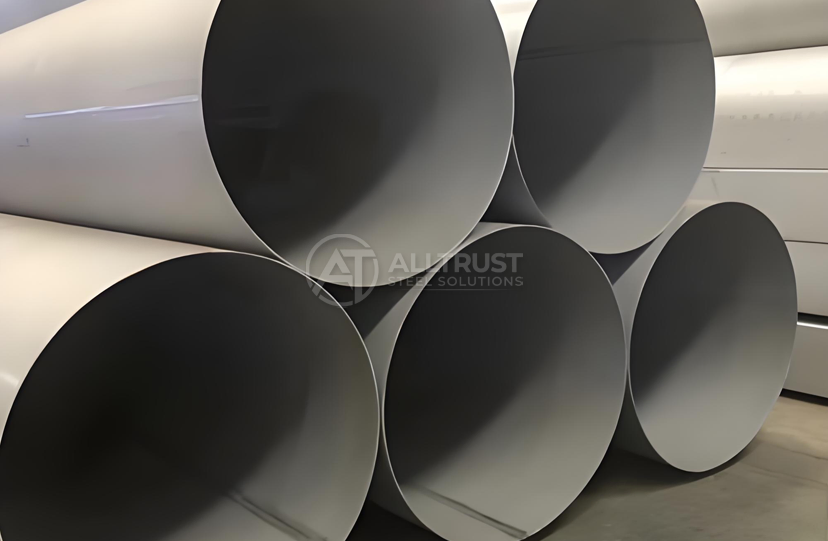
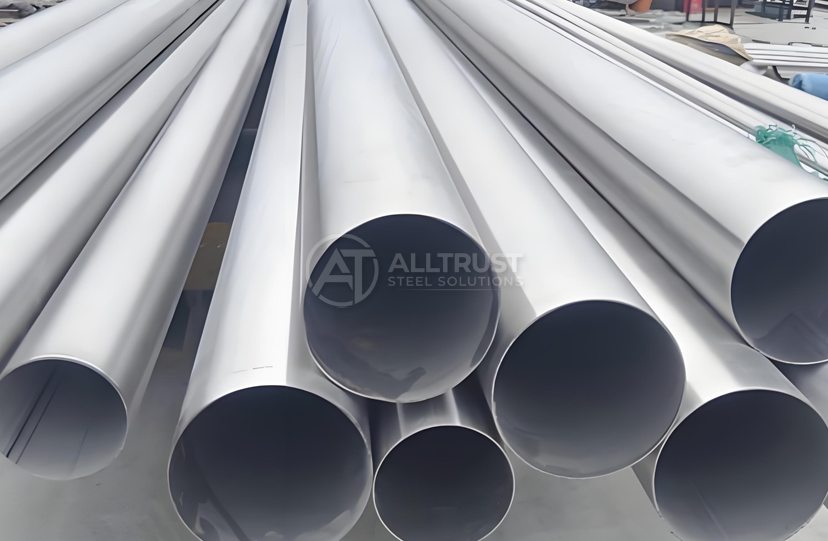
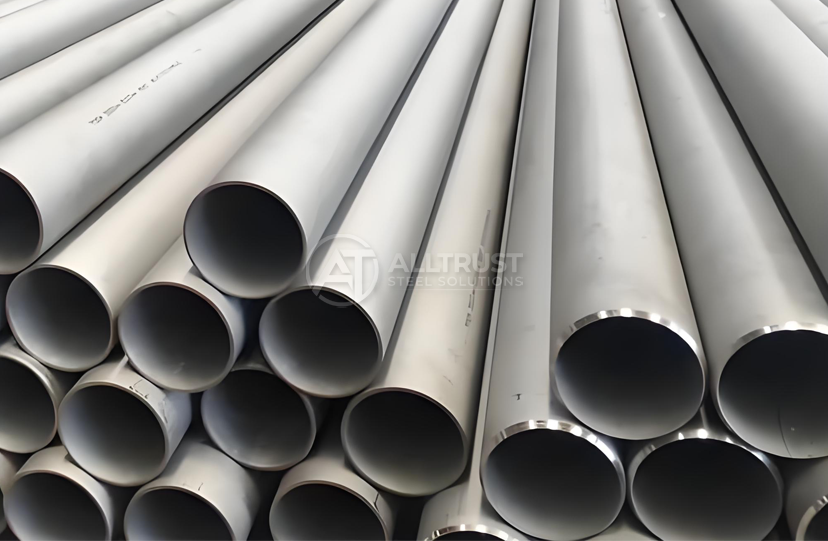
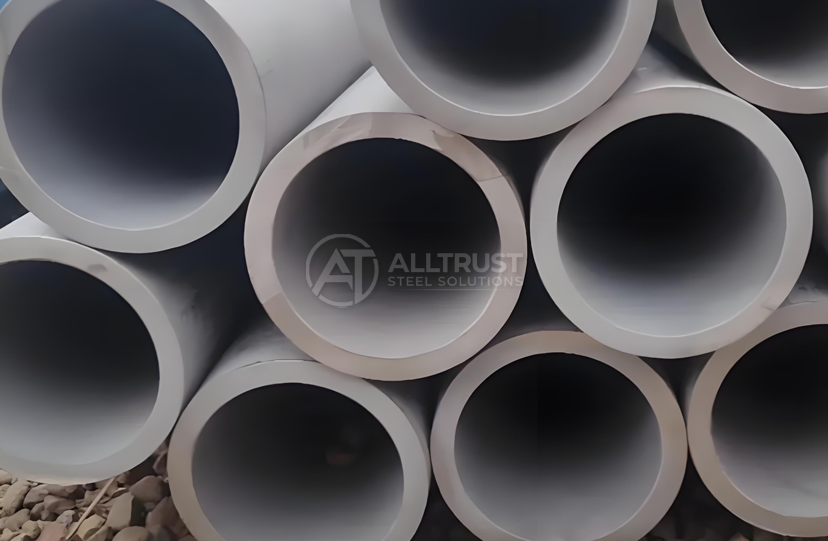
astm a249 tp316l tube
2. Standard: ASTM A249 / ASME SA249, standard specification for welded boiler, superheater, heat-exchanger, and condenser tubes
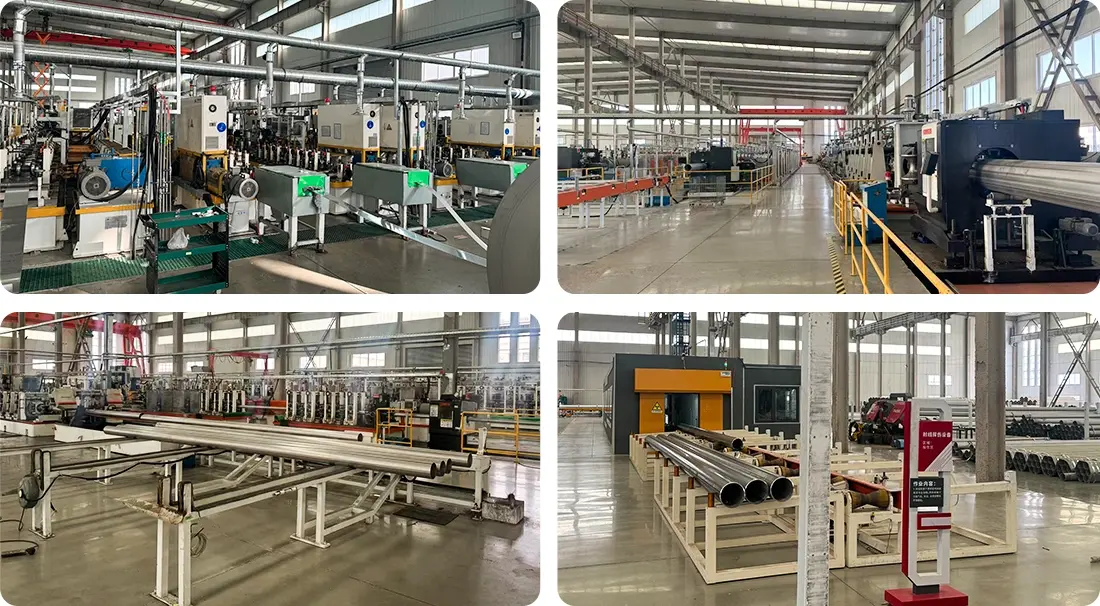
3. Process: State-of-the-art automated longitudinal welding from calibrated steel strips, with rigorous post-weld seam cold reduction
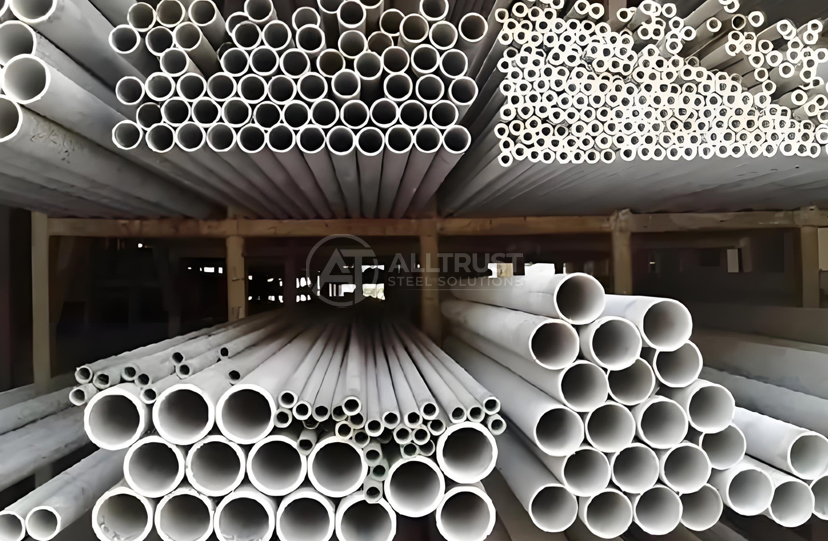
4. Size Range: Fractional and metric outside diameters from 1/8" to 5" with exceptionally uniform wall gauge concentricity
5. Heat Treatment: Mandatory solution annealing followed by rapid uniform quenching to fully restore alloy distribution across the weld
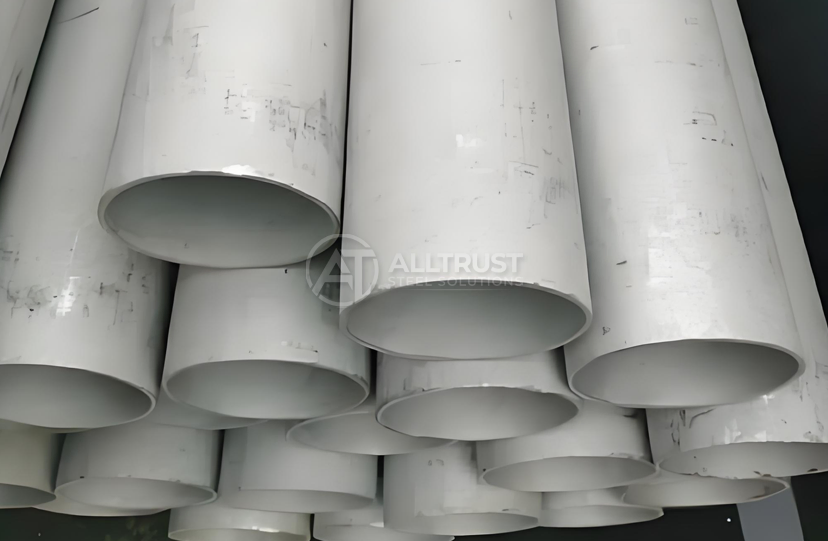
6. Surface Finish: High-purity bright annealed (BA) mirror look, electro-polished (EP), or smooth pickled and passivated
7. Application: Biopharmaceutical manufacturing condensers, marine engineering heat exchangers, oil refinery coolers, and chemical boilers
8. Service Advantage: Support 100% Eddy Current testing, reverse bend tested, and full compliance with ASME pressure codes
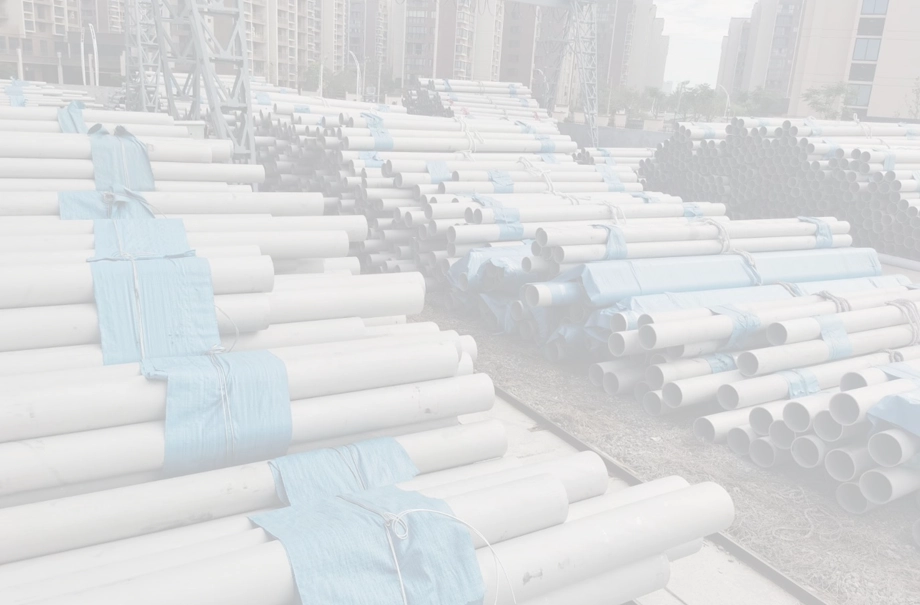
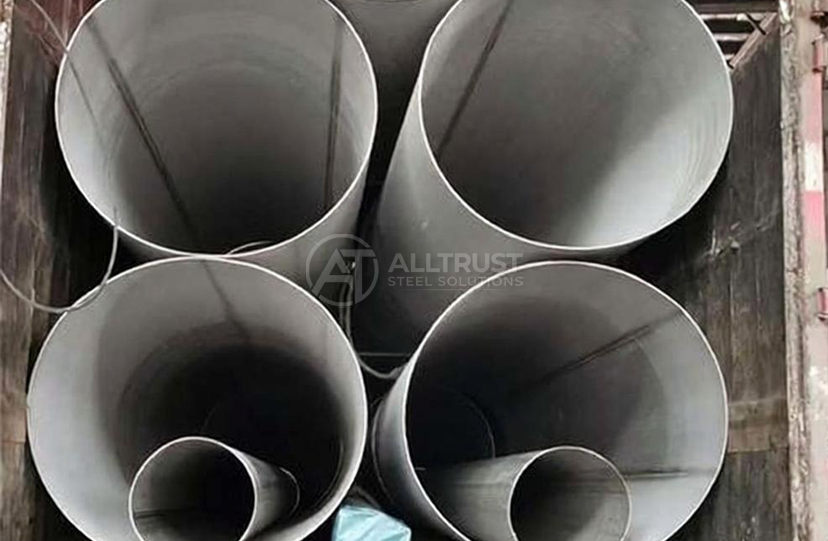
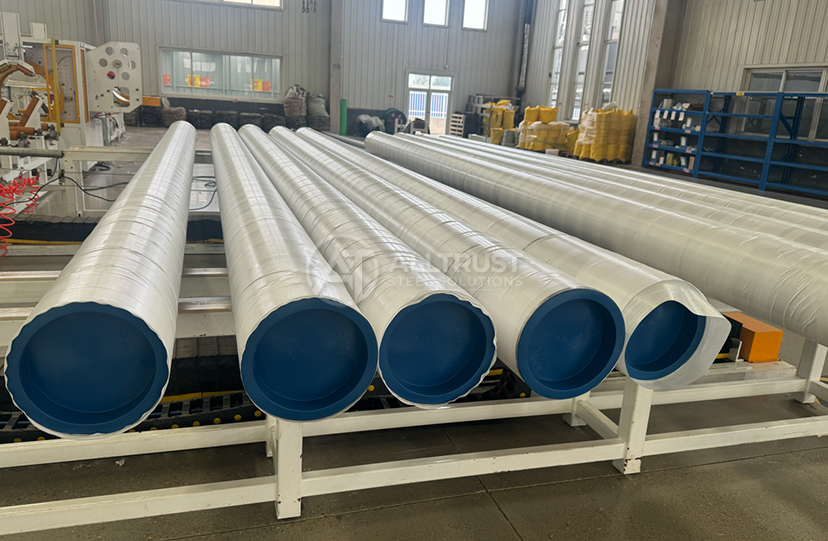
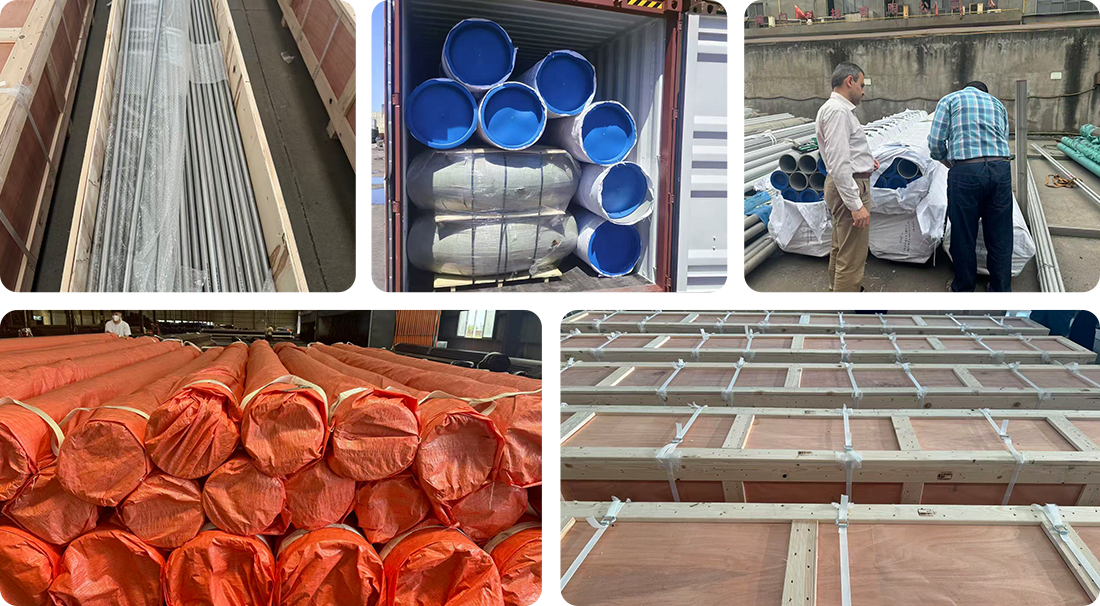
9. Packaging: Each tube individually plastic-sleeved and carefully nested in reinforced seaworthy plywood crates for absolute protection
10. Key Advantage: Delivers superb resistance to pitting in chloride media while eliminating post-weld intergranular decay across the matrix
ASTM A249 TP316L Tube – Premium Welded Stainless Steel Solution for Heat Exchanger & Boiler Systems
Hebei All Trust Steel Co., Ltd. manufactures high-performance astm a249 tp316l tube engineered specifically for demanding thermal management applications in chemical, marine, and power generation industries. We have a capability to produce over 15,000 tons per annum with 100% hydraulic testing. We provide ultra-low carbon molybdenum-stabilized tube, which is free of weld-decay sensitisation and provides better pitting and crevice corrosion protection in chloride-rich situations. Our TP316L welded tubes conform to ASTM A249/ASME SA249 specifications, with outer diameters from 1/8" to 5" (3.18–127 mm) and wall thicknesses from 0.015" to 0.320" (0.38–8.13 mm), which need compulsory solution annealing and quick quenching to restore the alloy homogeneity at each weld seam.
What Is ASTM A249 TP316L Tube?
The product is a particular standard specification for welded tubes of nominal wall thickness of low carbon molybdenum-bearing austenitic alloy. ASTM A249 covers tubes for boiler, superheater, heat exchanger and condenser service.
TP316L is a " Low Carbon " version of Type 316 stainless steel. It deals with the important industrial problem of intergranular corrosion following welding (weld decay).
In these tubes, the possibility of chromium carbide precipitation in the heat affected zone (HAZ) is eliminated by restricting the carbon content to a maximum of 0.035%. This makes the structure resistant to severe heat conditions, when the normal 316 may fail via sensitisation.
Excellent resistance to chloride pitting is provided by the molybdenum concentration (2.0-3.0%). This makes it the perfect choice for use in seawater cooling systems, chemical processing equipment, and pharmaceutical production cycles.
Technical Specifications
| Parameter | Specification |
|---|---|
| Standard | ASTM A249 / ASME SA249 / ASTM A269 / EN 10217-7 |
| Material Grade | TP316L (UNS S31603 / 1.4404) |
| Manufacturing Process | Automatic Longitudinal Welding / TIG / Laser Welded |
| Outer Diameter (OD) | 1/8" – 5" (3.18 mm – 127 mm) |
| Wall Thickness (WT) | 0.015" – 0.320" (0.38 mm – 8.13 mm) |
| Length | 5.8 m / 6 m / 11.8 m / 12 m / Custom Cut |
| Surface Finish | Bright Annealed (BA) / Pickled / Mirror Polished |
| End Type | Plain End (PE) / Square Cut / Burr-Free |
| Tensile Strength | Min. 485 MPa (70 ksi) |
| Yield Strength | Min. 170 MPa (25 ksi) |
| Elongation | Min. 35% |
| Carbon Content | Max. 0.035% |
| Chromium Content | 16.0–18.0% |
| Nickel Content | 10.0–14.0% |
| Molybdenum Content | 2.0–3.0% |
Key Properties & Performance Advantages
Superior Corrosion Resistance
The chemistry of the goods provide good protection against different types of corrosion. The inclusion of molybdenum offers excellent resistance to chloride pitting and crevice corrosion in coastal conditions.
The very low carbon content (max 0.035%) reduces sensitisation during welding operations. You won't have the intergranular corrosion concerns in the heat impacted zones that normal 316 tubes suffer from.
This makes our tubes perfect for handling acetic acid, sulfuric acid, phosphoric acid, and other aggressive chemicals in your processing equipment.
Mechanical Strength Under Thermal Stress
Every tube meets stringent mechanical requirements. Our material achieves minimum tensile strength of 485 MPa and yield strength of 170 MPa, ensuring reliable performance under high-pressure conditions.
The solution annealing process heats tubes to minimum 1900°F (1040°C) followed by rapid quenching. This dissolves all carbides and removes internal micro-stresses.
Your heat exchanger and boiler systems benefit from consistent dimensional stability across temperature cycles. The minimum 35% elongation ensures excellent ductility for field installation.
Weld Zone Integrity
Unlike seamless options, our welded product undergoes automated longitudinal welding with post-weld seam cold reduction. This creates a homogeneous weld zone with mechanical properties matching the base material.
We perform mandatory flattening tests per ASTM A1016 to verify zero cracks in the weld seam. Flange and flaring tests confirm the ductility you need for safe tube expansion.
Every tube passes 100% eddy current testing to detect any surface or subsurface defects. Hydrostatic testing or air-under-water testing guarantees leak-proof integrity before shipment.
Quality Control & Testing
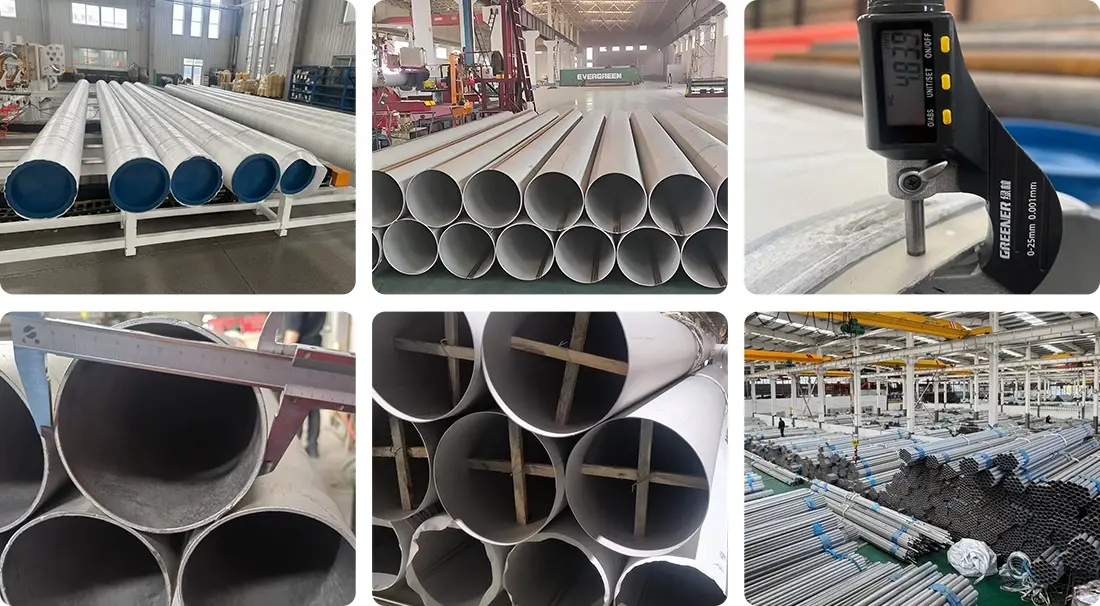
Our quality control approach in 4 steps assures that each tube matches your project:
Material Verification: Spectrographic examination verifies chromium, nickel, molybdenum, carbon and nitrogen content per ASTM A249 standards. Each shipment has complete heat number tracking.
Production Monitoring: Real-time dimensional inspection monitors changes in outer diameter and wall thickness. Our Surface Quality Control guarantees that bright annealed finishes fulfil your aesthetic and practical requirements.
Non-Destructive Testing:
- 100% Eddy Current Testing for surface integrity
- Ultrasonic Testing (UT) available for volumetric scanning
- Hydrostatic Testing to verify pressure containment
- PMI Analysis to confirm alloy composition
Corrosion Testing: Intergranular corrosion testing per ASTM A262 Practice E validates the low-carbon benefit. This ensures your tubes resist sensitization in service environments up to 800°F.
Applications Across Critical Industries
Chemical & Petrochemical Processing
The pitting resistance of molybdenum improved condensers and heat exchangers with corrosive fluids. The astm a249 tp316l tube is intact during processing the acetic acid, sulfuric acid and phosphoric acid.
Smooth interior surface finish (electropolishing suitable) to avoid product contamination. This is critical in the manufacture of high purity chemicals where metal leaching is not allowed.
Pharma & Biotech Industry
Tubes for clean-in-place (CIP) systems and Water for Injection (WFI) loops must resist microbial build-up. Our bright annealed or electropolished surfaces are USP Class VI compatible.
The low-carbon formulation eliminates post-weld sensitization concerns. Your validation protocols become simpler because you won't face intergranular corrosion during steam sterilization cycles.
Power Generation
Feed-water heaters and superheaters operate under cyclic thermal loading and high-pressure steam. The solution-annealed microstructure prevents stress corrosion cracking (SCC) at weld seams.
Your boiler tubes maintain dimensional stability across thousands of heating cycles. The mandatory heat treatment ensures consistent performance throughout the tube length.
Marine Engineering
Seawater cooling systems and coastal heat exchangers face aggressive chloride environments. While TP316L performs well, we recommend duplex grades for long-term stagnant seawater immersion.
For flowing seawater applications, our product provides the corrosion resistance you need at a competitive price point compared to super austenitic options.
Customization & Value-Added Services
We cater to your individual project needs via various production options:
Dimensional Customisation: We provide cut-to-length services from 100 mm up to 12 metres, with a tolerance of ±1 mm. Special pressure ratings with custom wall thickness profiles are available.
End Preparation: Plain square cut ends, bevelled for welding or threaded ends to suit your assembly needs. Safe handling and installation with burrless finishing.
Surface Finish: Bright Annealed (BA) for beauty and corrosion resistance. Satin or mirror polish to pharmaceutical standards. Electropolishing for biotechnological applications at Ra < 0.4 μm.
Marking & Traceability Laser stencilling of heat number, specification and your project code. Each is protected in its own plastic sleeve to preserve surface quality during delivery.
Certifications & Documentation
Every shipment includes comprehensive quality documentation:
- EN 10204 3.1 & 3.2 Mill Test Certificates (MTC) with chemical analysis and mechanical test results
- PMI reports confirming alloy composition
- NDT records showing eddy current or ultrasonic test data
- Heat treatment certificates documenting solution annealing parameters
- Certificate of Origin (CO) for customs clearance
Our manufacturing partners hold ISO 9001:2015, PED, and ISO 14001 certifications. We welcome third-party inspection by SGS, TÜV, Bureau Veritas (BV), DNV, or ABS at any production stage.
Inventory & Delivery
With 5,000+ tons of rolling inventory, we provide fast delivery for standard sizes. Stock orders ship within 3–5 days. Custom orders complete in 15–20 days.
Our packaging protects your investment during international shipping:
- Individual plastic sleeve protection prevents surface scratches
- Hexagonal bundles with steel strapping for container stability
- Fumigation-free plywood cases for air freight
- Waterproof wrapping guards against moisture and salt corrosion
We ship from Shanghai, Ningbo, Tianjin, Qingdao, and Shenzhen ports. FOB, CFR, CIF, and DDP terms available to simplify your logistics.
FAQ
Q:Why should an engineer select this product over a standard TP304 layout for condenser loops?
A:The TP316L chemistry drops carbon content below 0.03% while retaining heavy molybdenum integration. This completely eliminates weld-decay sensitization and protects high-pressure boiler lines from severe crevice corrosion that would compromise TP304 performance.
Q:What advanced heat treatment processes secure the microstructural uniformity of this low-carbon tube batch?
A:Every production lot undergoes program-controlled vertical furnace solution annealing at minimum 1900°F followed by rapid water-quenching. This dissolves all alloying elements uniformly and completely eliminates internal micro-stresses throughout the tube wall.
Q:What precise inspection procedures verify the structural consistency and safety of this low-carbon tube?
A:The entire tube length passes through automated online eddy current diagnostic mapping. We combine this with high-pressure hydrostatic leakage diagnostics or comprehensive volumetric ultrasonic scanning to ensure 100% integrity verification.
Q:Can the dimensional parameters of this low-carbon series be customized to fit compact chemical blueprints?
A:Yes, we support tight thickness customization, long fixed straight segments up to 12 meters, laser stenciling for batch tracing, and precise compatibility with global compression fittings and welded connections.
Q:Are your low-carbon ASTM A249 tubing lots verified by independent international auditing frameworks?
A:Our advanced mills maintain full ISO 9001:2015 and PED certification. We welcome independent witness audits by international inspection bodies including SGS, TÜV, and Bureau Veritas throughout production and testing phases.
Q:What is the main difference between ASTM A249 and ASTM A269 for TP316L?
A:A249 specifically covers heat exchanger and boiler welded tubes requiring mandatory mechanical tests including flattening and flange tests. A269 serves as a general service specification for both seamless and welded tubing without mandatory flange testing requirements.
Q:Can the product be used in seawater applications?
A:While it offers excellent resistance, long-term stagnant seawater exposure may still cause pitting. For high-salinity immersion environments, we recommend upgrading to Duplex 2205 or Super Austenitic 254SMO grades for extended service life.
Q:Is post-weld heat treatment (PWHT) necessary after field welding?
A:ASTM A249 requires all tubes to arrive in the heat-treated condition (solution annealed) from the manufacturer. The "L" grade low-carbon chemistry eliminates the need for post-weld annealing after field repairs or installation welding.
Contact Us
Ready to specify high-performance heat exchanger tubing for your critical application with the astm a249 tp316l tube? Contact us at info@hballtrust.com for quotations, technical data sheets, or sample shipments. We respond within 1 hour during business hours.