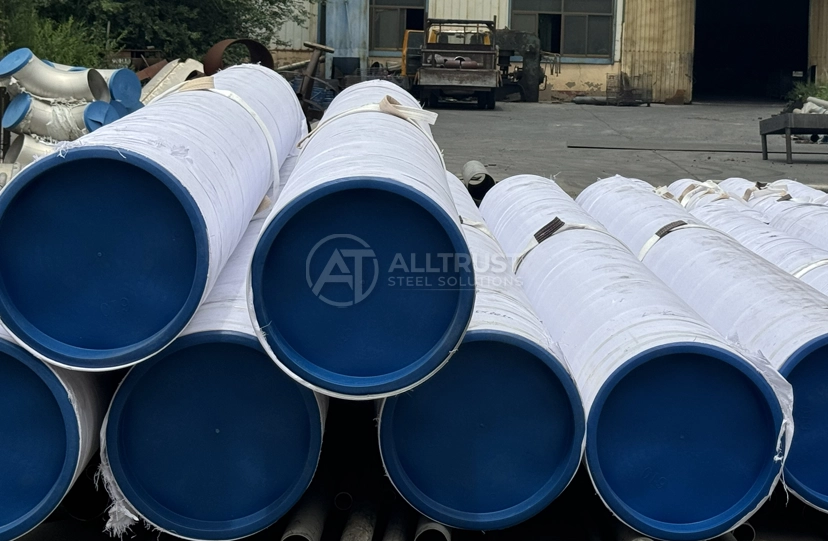
astm a312 tp321h pipe
2. Standard: ASTM A312 / ASME SA312, standard specification for high-temperature and general corrosive piping
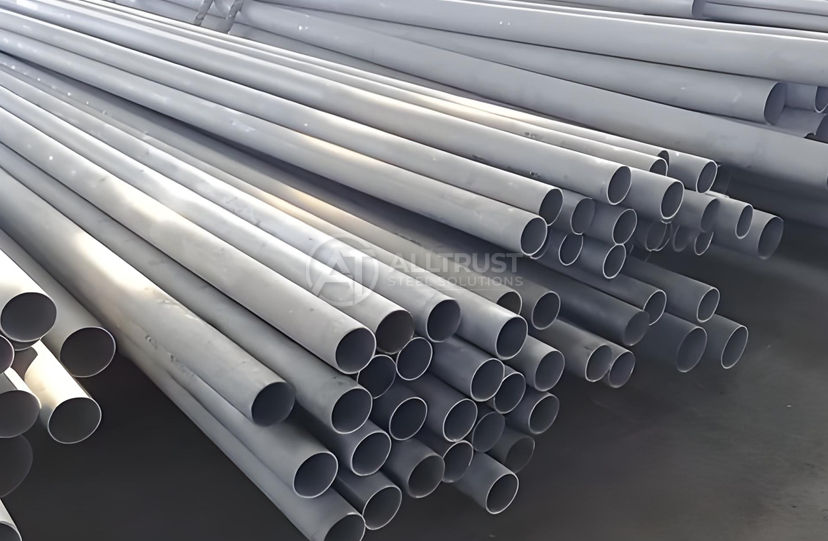
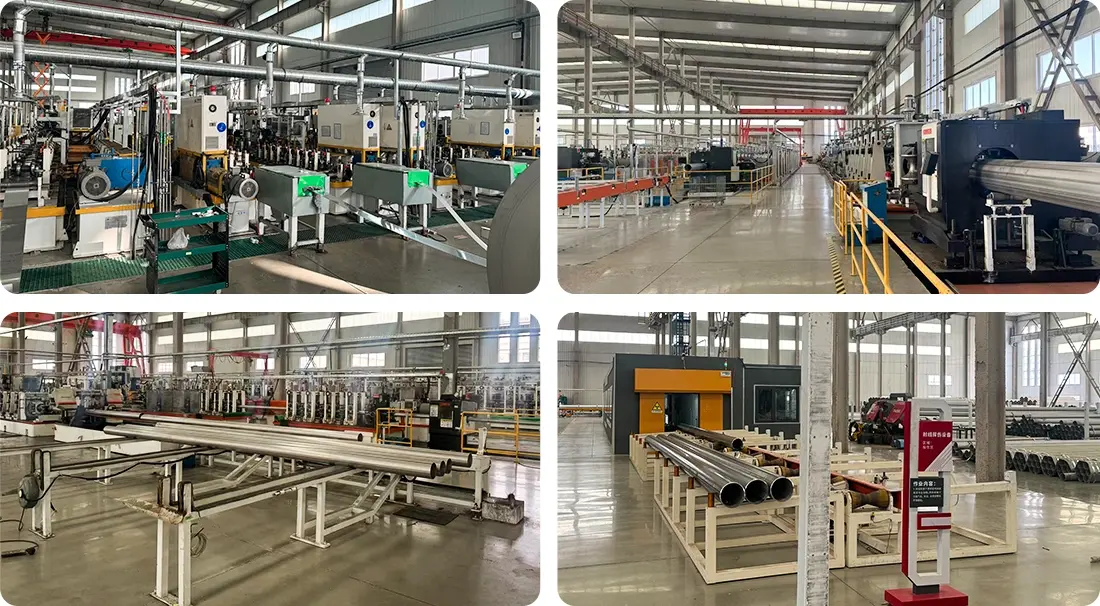
3. Process: Heavy-duty seamless hot piercing or precision straight-seam welding ensuring long-term structural integrity
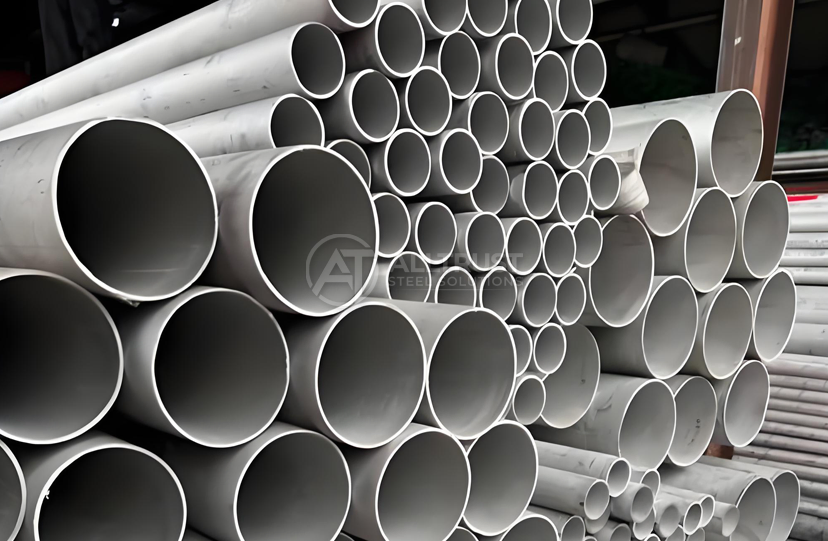
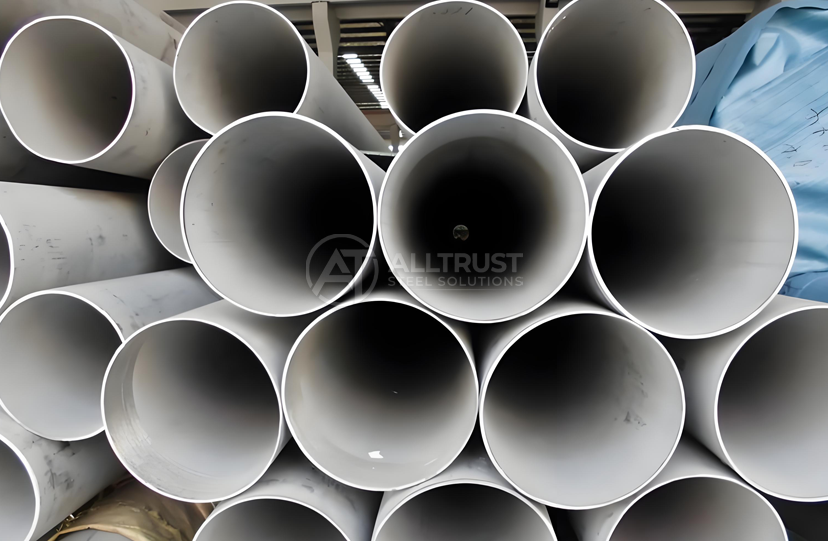
4. Size Range: Nominal Pipe Size (NPS) 1/8" to 30", wall thickness profiles covering Schedule 10S up to Schedule 160
5. Heat Treatment: Mandatory high-temperature solution annealing followed by stabilization treatment to fix titanium carbides
6. Surface Finish: Clean solution annealed and pickled (SA&P), descaled industrial matte, or grit-blasted finishes
7. Application: Superheater tubes, thermal power plant boiler headers, chemical cracking furnaces, and high-heat manifolds
8. Service Advantage: Sourced from premium steel billets, full grain size testing compliance, and MTC EN 10204 3.1 provided
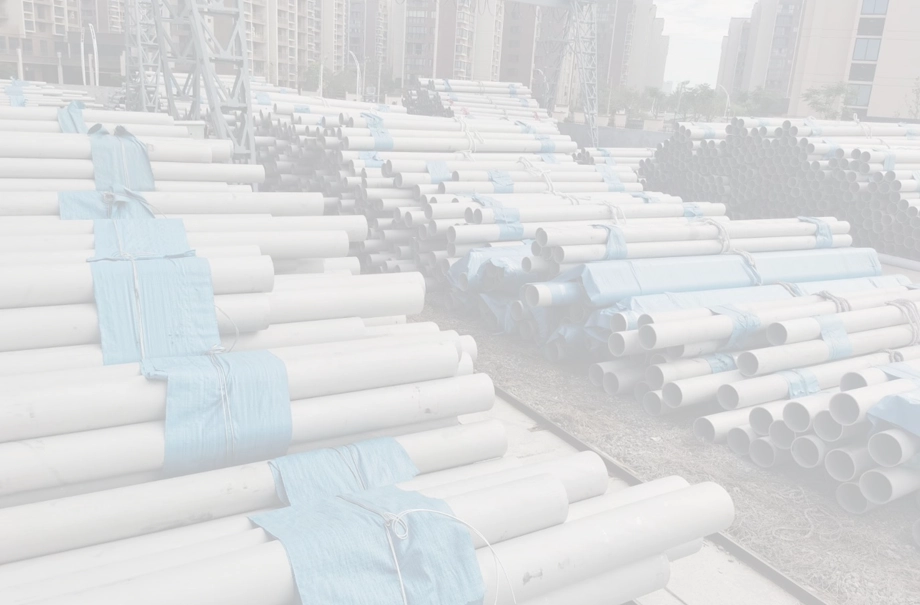
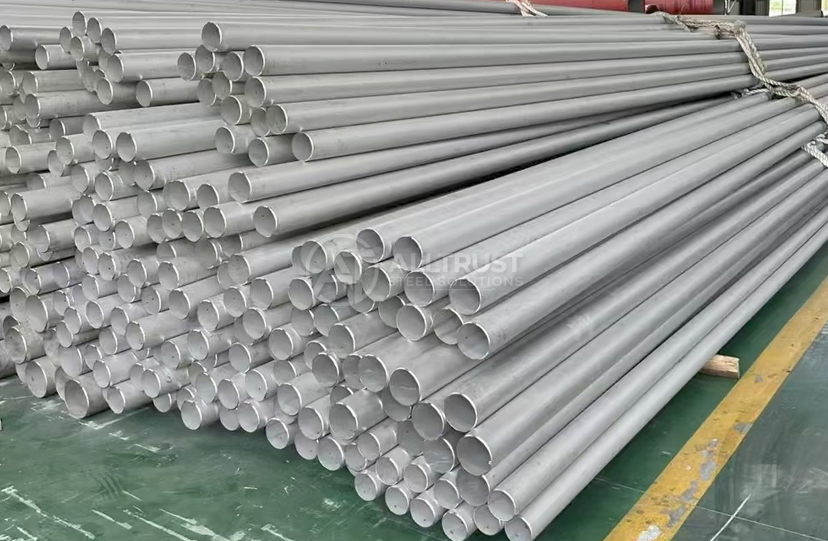
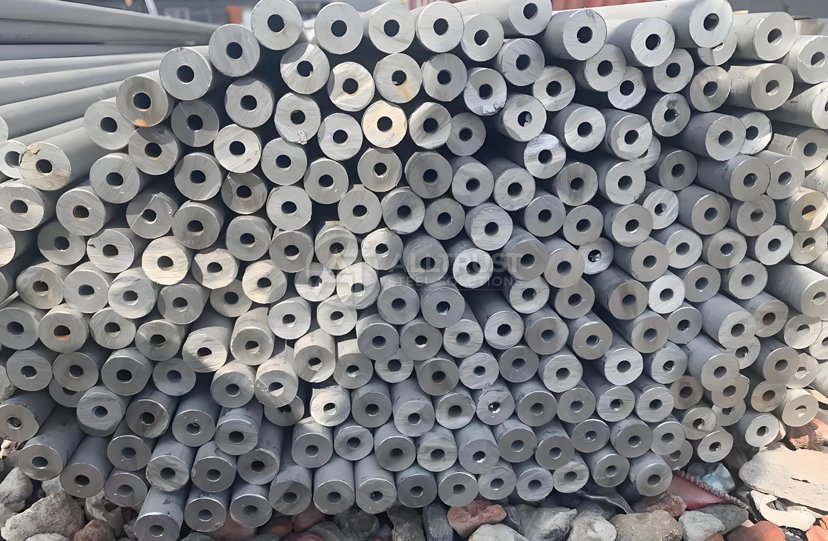
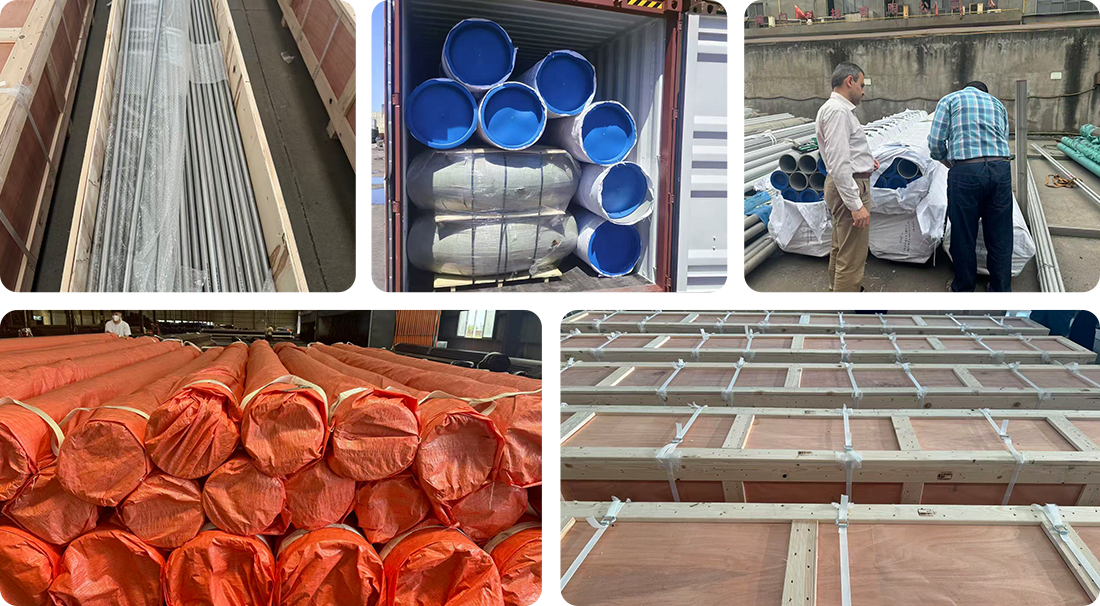
9. Packaging: Hexagonal ocean bundles bound tightly with high-tensile steel straps and equipped with protective end caps
10. Key Advantage: Elevated carbon content provides significantly higher creep strength and rupture resistance above 525°C
ASTM A312 TP321H Pipe – High-Temperature Titanium-Stabilized Seamless & Welded Solution for Critical Industrial Service
Hebei All Trust Steel Co., Ltd manufactures premium-grade astm a312 tp321h pipe engineered specifically for demanding high-temperature environments exceeding 525°C. Titanium-stabilized austenitic stainless steel pipe with controlled high carbon (0.04 – 0.10%) and strategic titanium additions offers superior creep-rupture strength and long-term structural integrity in thermal power plants, refinery heaters and superheaters. We guaranty you dependable material performance with an annual production capacity in excess of 15,000 tons, 100% hydraulic test compliance and complete EN 10204 3.1 certification. Outside diameters from 13.7 mm to 609.6 mm in seamless and precision welded variants.
What Makes ASTM A312 TP321H Pipe the Superior Choice for Elevated-Temperature Applications?
This product solves an important technical problem: preserving mechanical strength and corrosion resistance over a long period of time when exposed to heat.
Standard austenitic grades like as 304 and 316 are subject to sensitisation when heated between 425°C and 815°C. Chromium carbides form at grain borders, depleting the area in the vicinity of chromium and providing routes for intergranular corrosion .
TP321H titanium stabilisation fixes this. Titanium tends to combine with carbon to generate stable titanium carbides rather than hazardous chromium carbides. The outcome is a better resistance to sensitisation even after welding or long heat cycling.
The letter"H"denotes a greater carbon content. This regulated increase greatly enhances the creep strength and enables the pipe to withstand the deformation under steady load at a maximum temperature of 816°C. Coarser grain structure (ASTM E112 No. 7 or coarser) considerably improves high temperature mechanical performance.
Your equipment operates longer with less maintenance. Your project timelines stay on track. Your total cost of ownership decreases substantially.
Technical Specifications
| Parameter | Specification |
|---|---|
| Standards | ASTM A312, ASME SA312, ASTM A358, ASTM A213, EN 10216-5 |
| Material Grade | TP321H (UNS S32109 / DIN 1.4878) |
| Process Type | Seamless Hot Finished, Cold Drawn, Precision Welded |
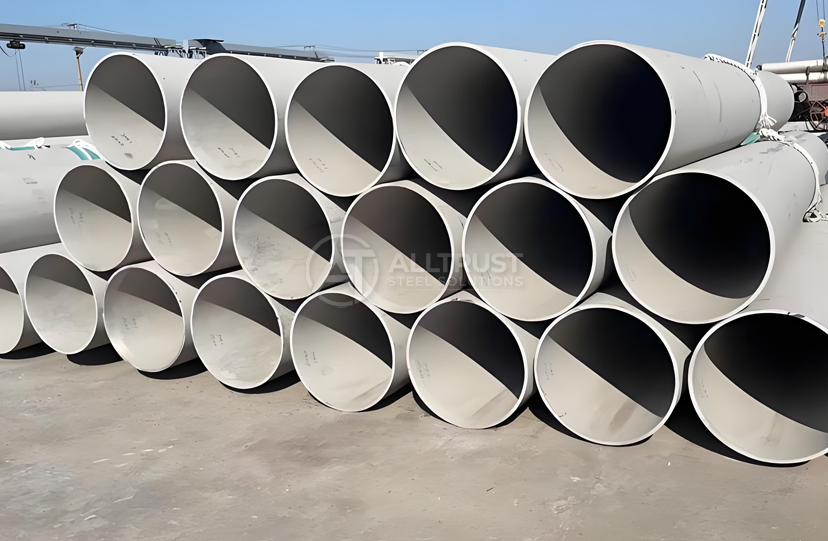
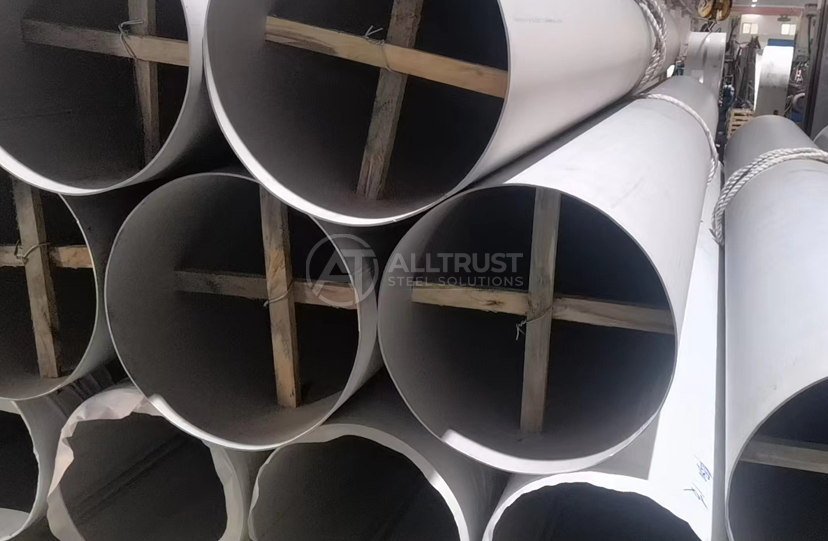
| Outer Diameter | 1/4" – 24" (13.7 mm – 609.6 mm) |
| Wall Thickness | SCH 5S, 10S, 40S, 80S, 160, XXS (0.5 mm – 50 mm) |
| Length Options | 5.8 m, 6 m, 11.8 m, 12 m, Custom Cut Lengths |
| Surface Finish | Solution Annealed & Pickled (SA&P), Bright Annealed, Polished |
| End Configuration | Plain End (PE), Beveled End (BE), Threaded (NPT/BSPT) |
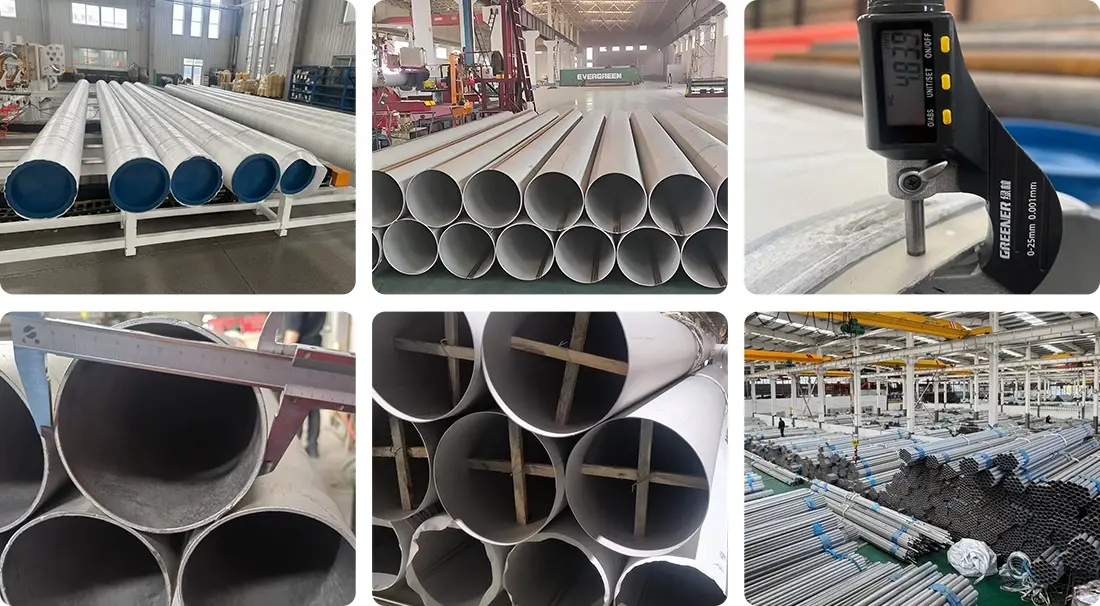
| Testing Methods | Hydrostatic, Eddy Current, Ultrasonic (UT), Radiographic (RT) |
| Chemical Testing | PMI Analysis, Intergranular Corrosion (ASTM A262 Practice E) |
| Mechanical Testing | Creep Rupture, High-Temperature Tensile, Hardness, Flattening, Flaring |
| Quality Certificates | EN 10204 3.1 & 3.2 MTC, ISO 9001:2015, PED, CE |
| Third-Party Inspection | SGS, BV, TÜV, DNV, ABS Approved |
| Packaging | Hexagonal Steel Bundles, Wooden Cases, Waterproof Protection, End Caps |
Chemical Composition Requirements
| Element | Content (%) |
|---|---|
| Carbon (C) | 0.04 – 0.10 |
| Chromium (Cr) | 17.0 – 19.0 |
| Nickel (Ni) | 9.0 – 12.0 |
| Titanium (Ti) | 5×(C+N) min., 0.70 max |
| Manganese (Mn) | 2.0 max |
| Silicon (Si) | 0.75 max |
| Phosphorus (P) | 0.045 max |
| Sulfur (S) | 0.030 max |
Mechanical Properties
| Property | Minimum Value |
|---|---|
| Tensile Strength | 515 MPa (75 ksi) |
| Yield Strength (0.2% offset) | 205 MPa (30 ksi) |
| Elongation | 35% (in 2 inches) |
| Grain Size | ASTM E112 No. 7 or coarser |
Why Choose Hebei All Trust Steel for Your ASTM A312 TP321H Pipe Requirements?
Premium Raw Material Selection
We obtain 100% virgin stainless steel billets from ISO certified factories. We do not feed our manufacturing chain with recovered mixed-scrap materials. Nickel and chromium composition is guaranteed, ensuring uniform corrosion resistance from heat batch to heat batch.
Spectrographic examination to check chemical composition before processing. Each shipment has heat number traceability, giving you a comprehensive material genealogy from melt to final installation.
Advanced Manufacturing Precision
Our seamless pipe production utilizes hot piercing technology followed by precision cold drawing when dimensional tolerances demand ±0.05 mm accuracy. Wall thickness uniformity meets the strictest international pipeline codes.
For welded configurations, automatic longitudinal welding with 100% eddy current testing eliminates leak risks. Post-weld solution annealing and stabilization heat treatment restore optimal microstructure throughout the weld zone.
Rigorous Quality Verification
Each batch of manufacturing is inspected for grain size per ASTM E112 specifications. The intergranular corrosion test is conducted in accordance with ASTM A262 Practice E. Creep-rupture capability verified by high temperature tensile test.
100% coverage hydrostatic testing . Proves pressure integrity . Ultrasonic and radiographic examinations may reveal underlying discontinuities that are not detectable by visual examination.
Flexible Customization Capabilities
Your project specifications receive individualized attention. We provide precision beveled ends to ASME B16.25 standards, facilitating smoother welding operations. Threading services accommodate NPT or BSPT connection requirements.
Custom length cutting eliminates field modifications and installation delays. Laser marking with heat number, specification grade, and dimensional data ensures proper material identification throughout your supply chain.
Industrial Applications Where Performance Cannot Be Compromised
Power Generation Infrastructure
Utility boiler superheater tubes work under severe circumstances with the temperature over 540 °C at the pressure of 17.5 MPa. The astm a312 tp321h pipe retains its structural integrity throughout thousands of temperature cycles, avoiding catastrophic tube rupture and unscheduled interruptions.
Reheater sections benefit from the grade's resistance to steam-side oxidation. Longer tube life translates directly to reduced maintenance costs and improved plant availability factors.
Petroleum Refining Operations
Fluid catalytic cracking units expose pipework to temperatures as high as 700°C in sulfur-containing atmospheres. Standard austenitic grades break too early by stress corrosion cracking with polythionic acid.
The titanium stabilisation of TP321H gives better resilience to this failure mode. Furnace tubes, transfer lines and heat exchanger components are dimensionally stable and corrosion resistant for long service periods.
Chemical Processing Equipment
Piping for reactors used in organic chemical synthesis must be able to tolerate high temperatures and hostile chemical conditions. The product removes failures in heat affected zones next to the weld joint due to sensitisation.
High thermal strength combined with good aqueous corrosion resistance for pressure vessel pipe systems for cyclohexane oxidation, ethylene generation and ammonia synthesis.
Thermal Management Systems in Aerospace
The exhaust manifolds of aircraft and the liners of stacks are subject to high temperature changes during flying cycles. The thermal expansion and oxidation resistance of TP321H are stable, preventing cracking and warping that impair system integrity.
The material's resilience to fatigue under repetitive heat stress is also beneficial for engine bellows assemblies that need to work reliably across rigorous operating profiles.
FAQ
Q:What core microstructural modification gives this product its extreme high-temperature creep resistance?
A:This pipe combines an elevated, controlled high carbon content (0.04-0.10%) for structural strength with strategic titanium stabilization, which locks up carbon elements and maximizes long-term creep rupture endurance up to 816°C.
Q:Why is a seamless structure critical for this high-carbon pressure piping asset under continuous thermal cycles?
A:The seamless extrusion process provides a completely uniform, joint-free cylindrical wall profile, eliminating weld zone creep vulnerabilities and localized thermal expansion fractures under severe boiler operating stresses.
Q:What specialized destructive quality verification benchmarks must this high-heat batch successfully pass?
A:Representative production coupons undergo strict grain size microstructural checks, high-load tension diagnostics, and mandatory intergranular corrosion validation tracking conforming strictly to the ASTM A262 Practice E code.
Q:Can this heavy-duty pipe series be customized with specialized edge configurations for thick-walled joints?
A:Yes, we support extensive custom fabrication options, offering precision compound angles and beveled endings according to ASME B16.25 codes alongside fixed random length structures up to 12 meters.
Q:In what specific high-stress energy infrastructures is this pipe universally utilized?
A:It is optimized for power plant superheater main headers, central station thermal piping networks, boiler components, and high-temperature petroleum refinery cracking loops.
Contact Us
Our engineering team stands ready to assist with material selection, dimensional specifications, and delivery scheduling for the astm a312 tp321h pipe. Reach out to info@hballtrust.com for comprehensive technical documentation and competitive pricing tailored to your project requirements.