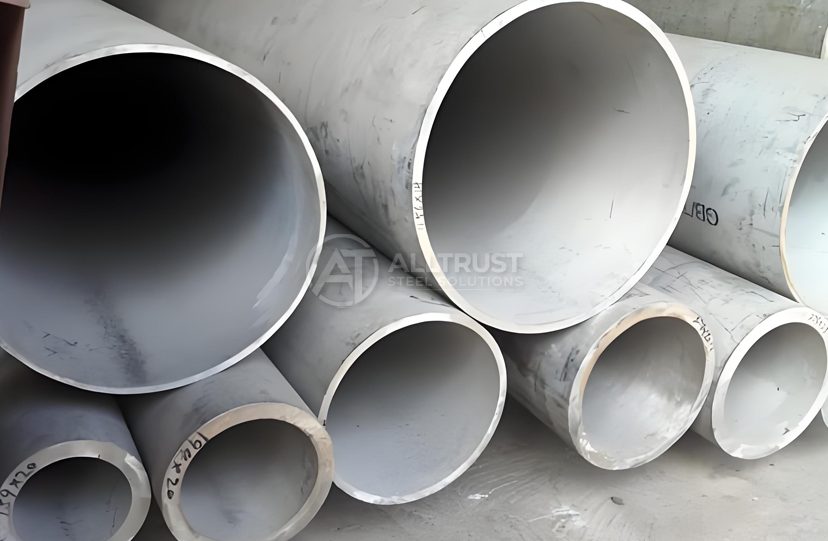
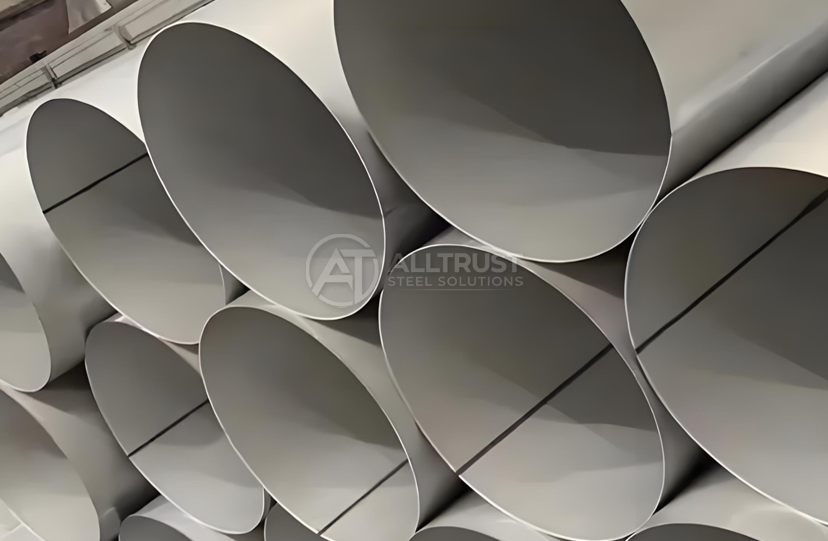
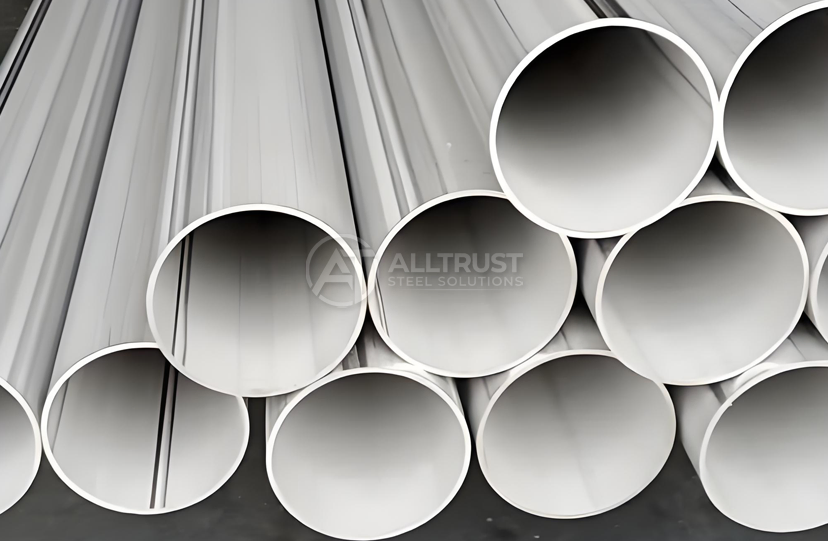
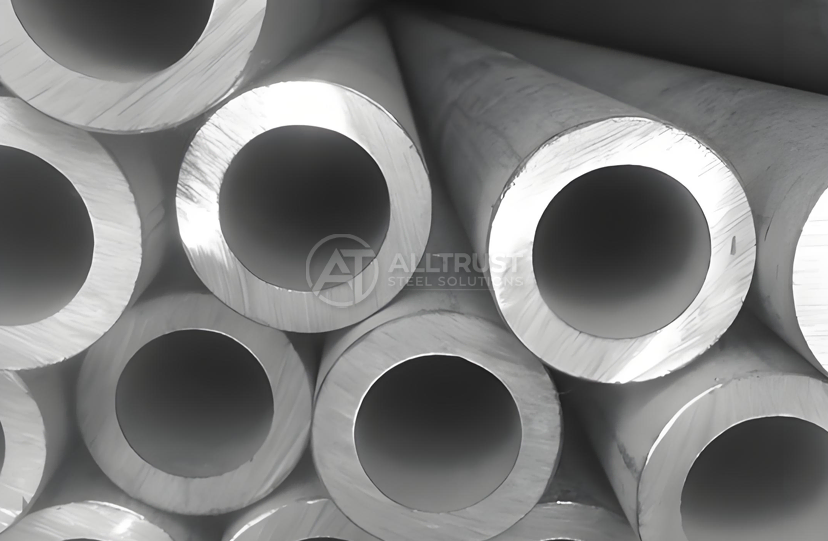
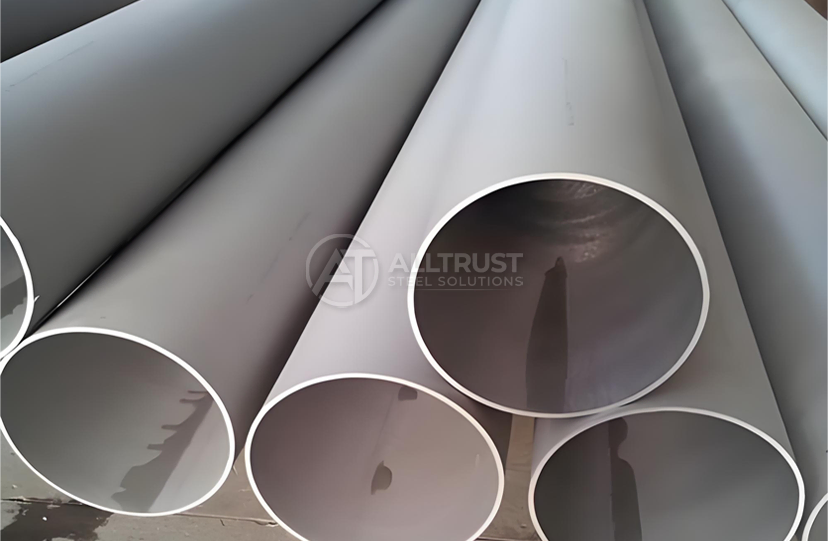
en 10217-7 1.4404 welded tube
2. Standard: EN 10217-7, the definitive European standard governing welded stainless steel tubes for pressure purposes
3. Process: High-efficiency automated longitudinal TIG or laser welding from precision-calibrated premium steel bands
4. Size Range: Comprehensive metric dimensional matrices with strictly controlled wall thickness concentricity
5. Heat Treatment: Homogeneous post-weld solution tempering above 1040°C followed by forced rapid uniform cooling
6. Surface Finish: Thoroughly acid-pickled and passivated (W2/T2 state), with interior weld bead removed flush
7. Application: Marine offshore engineering, coastal wastewater networks, desalination plants, and chemical processing
8. Service Advantage: Sourced from tier-one steel bands, full EN 10204 3.1 mill test certificates provided with shipment
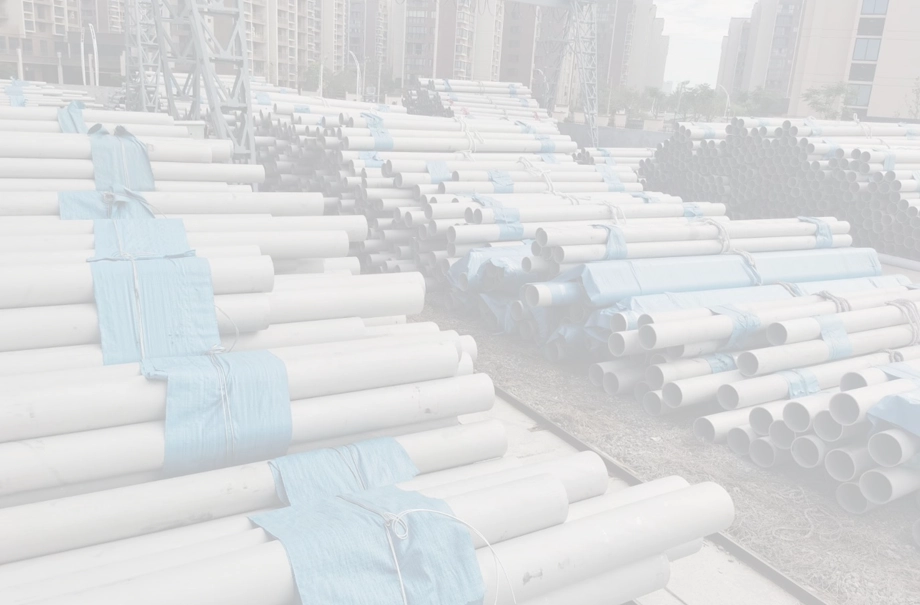
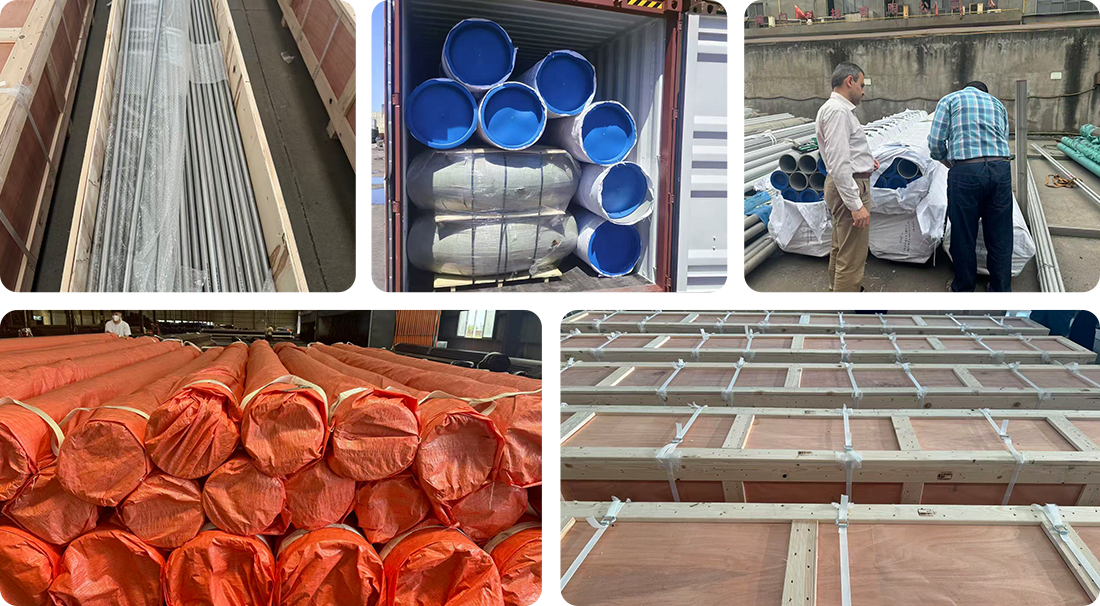
9. Packaging: Hexagonal ocean bundles bound tightly with high-tensile steel straps and thick protective pipe-end plugs
10. Key Advantage: Offers maximum resistance to chloride pitting while entirely preventing weld-zone intergranular decay
EN 10217-7 1.4404 Welded Tube – European Marine-Grade Pressure Piping for High-Chloride Industrial Systems
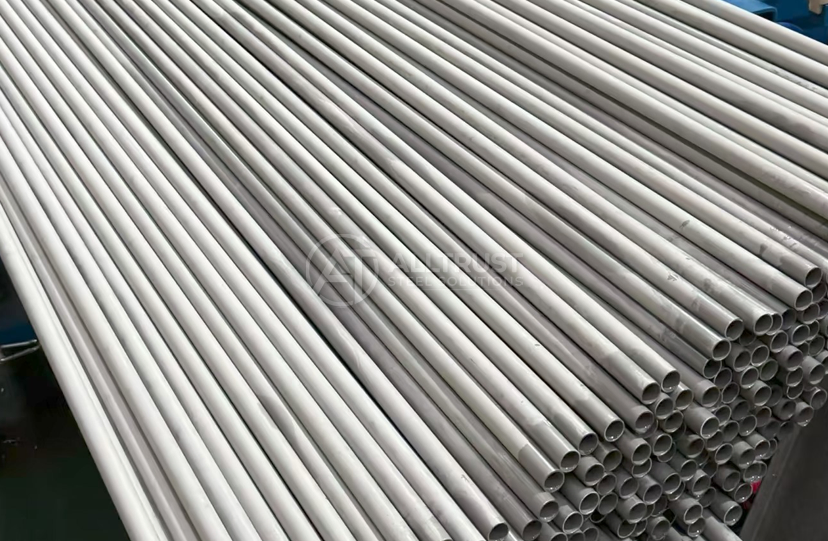
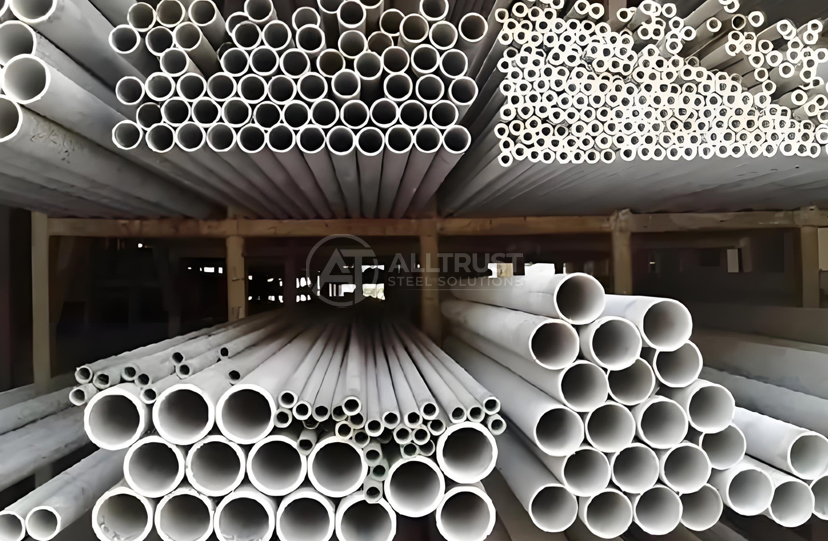
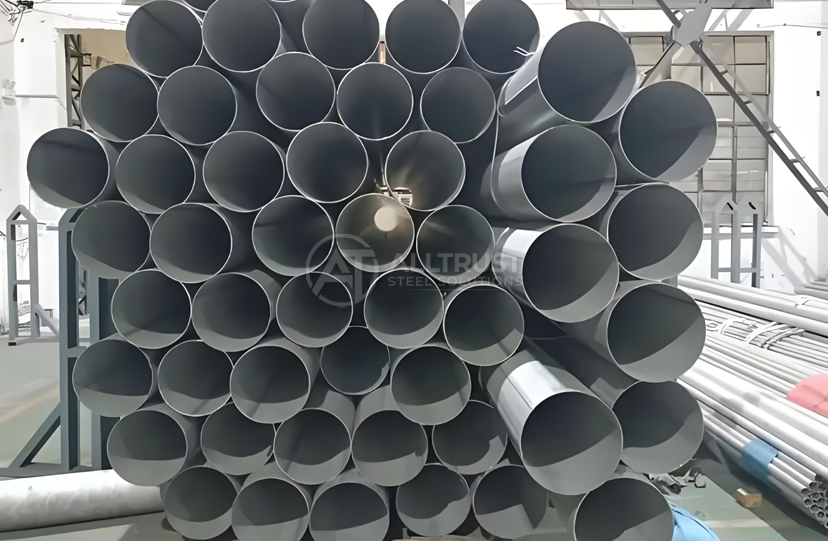
Hebei All Trust Steel Co., Ltd specializes in manufacturing premium en 10217-7 1.4404 welded tube, engineered to European technical delivery standards for demanding pressure applications. Our tubes are made from X2CrNiMo17-12-2 (316L) ultra-low carbon austenitic stainless steel. They can hold more than 15,000 tons of weight each year and can get as big as 1016 mm in diameter.
Every product goes through 100% eddy current testing and hydraulic pressure validation. This makes sure that the weld seam is strong enough to match the performance of the seamless pipe. These tubes have a molybdenum content of between 2.0% and 2.5%, which makes them very resistant to chloride-induced pitting and completely free of intergranular corrosion in heat-affected areas. This makes them perfect for use in chemical processing and coastal infrastructure.
What Makes EN 10217-7 1.4404 Welded Tube Essential for Marine Applications?
The product is a big step forward in the science of pressure pipes. This product is different from regular structural tubing because it is made according to EN 10217-7 technical delivery conditions that are designed for pressure.
The carbon percentage in 1.4404 materials, which are the same as ASTM 316L, is limited to 0.03%. This ultra-low carbon chemistry stops carbide precipitation during the welding heat cycle. This totally eliminates the risk of weld decay, which makes the weld less reliable over time in acidic media.
Molybdenum reinforcing that raises the Pitting Resistance Equivalent Number (PREN) above 24 is good for your activities. This means that it has been shown to work well in places where other grades fail quickly, like ocean cooling systems, filtration units, and remote platforms.
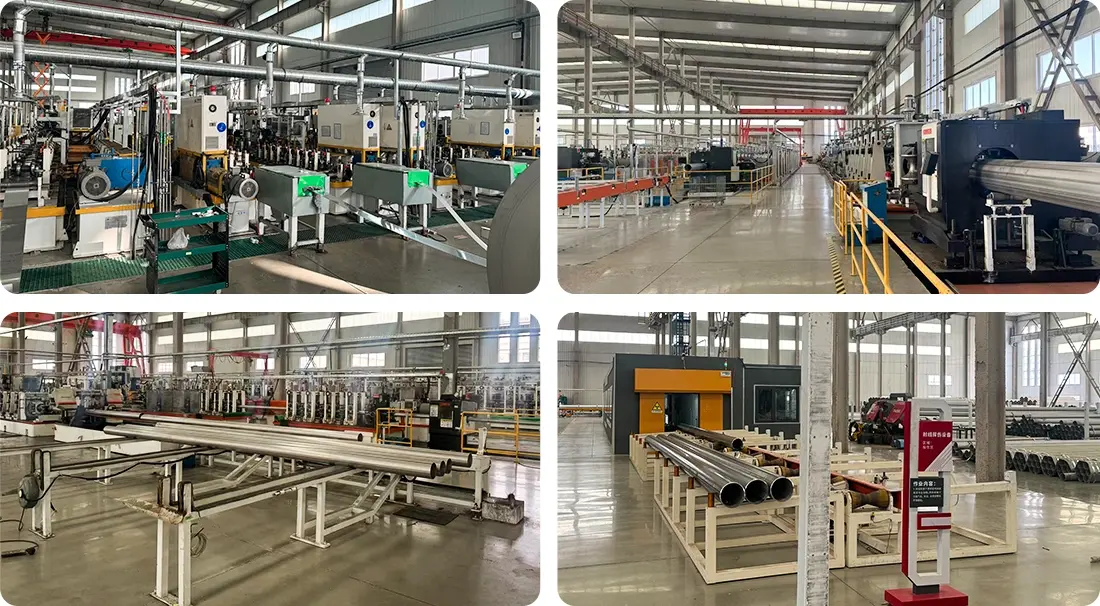
Our automated TIG and laser welding lines make longitudinal seams that are straight and have consistent penetration profiles. Solution annealing above 1040°C followed by fast cooling fixes the microstructure and makes sure the weld zone has the same mechanical qualities as the parent material.
Technical Specifications
| Parameter | Specification |
|---|---|
| Manufacturing Standard | EN 10217-7 / ASTM A312 / ASTM A358 |
| Material Grade | 1.4404 (X2CrNiMo17-12-2 / 316L) |
| Welding Method | Automatic TIG / Laser (Longitudinal Seam) |
| Outer Diameter Range | 6.0 mm – 1219.2 mm |
| Wall Thickness Range | 0.5 mm – 30.0 mm |
| Standard Lengths | 5.8 m / 6.0 m / 11.8 m / 12.0 m / Custom |
| Surface Condition | W2A (Pickled) / W2B (Bright Annealed) |
| Heat Treatment | Solution Annealed (≥1040°C) |
| Weld Seam Treatment | Bead Removed / Flush Ground |
| NDT Methods | 100% Eddy Current / Hydrostatic / RT |
| Test Category | TC1 / TC2 (Per EN 10217-7) |
| Chemical Composition | Cr: 16.5-18.5% / Ni: 10.0-13.0% / Mo: 2.0-2.5% / C: ≤0.03% |
| Mechanical Properties | Yield Strength (Rp0.2): ≥220 MPa / Tensile Strength (Rm): 520-670 MPa |
| Quality Certification | EN 10204 3.1 / 3.2 MTC / CE-PED 2014/68/EU |
| Third-Party Inspection | SGS / BV / TÜV / DNV / ABS Accepted |
Why Choose Our European Marine-Grade Welded Tubing?
Superior Corrosion Defense Architecture
Our en 10217-7 1.4404 welded tube delivers maximum pitting resistance through controlled molybdenum alloying. The 2.0-2.5% Mo content creates protective oxide layers that withstand chloride concentrations up to 1000 ppm, far exceeding the capability of standard 304 variants.
You receive tubes that pass mandatory intergranular corrosion testing per ISO 3651-2 Method A (Strauss Test). This verification confirms that the ultra-low carbon formulation prevents sensitization even after prolonged exposure to temperatures between 450-850°C during fabrication or field installation.
Rigorous Weld Quality Validation
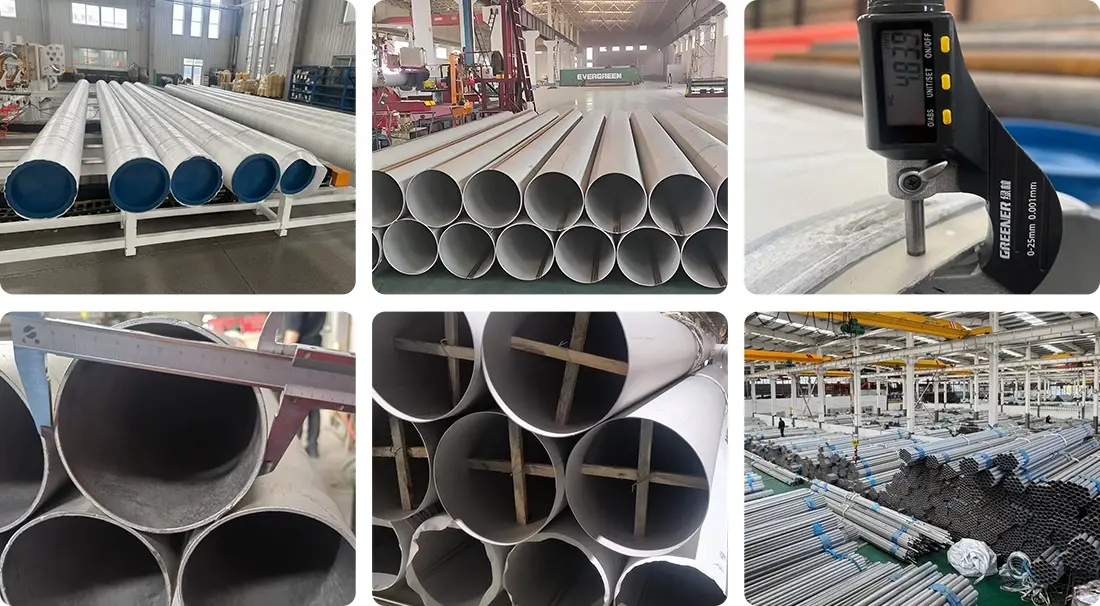
Every production meter undergoes multi-stage inspection protocols. Automated eddy current testing detects surface and near-surface discontinuities as small as 0.1 mm. For TC2 category tubes, we additionally perform 100% radiographic examination of the longitudinal weld seam.
Hydrostatic testing at 1.5 times design pressure validates leak-proof performance. Destructive sampling includes transverse weld tensile tests, guided bend tests, and flattening trials that demonstrate the ductility and fusion quality of the welded joint.
Comprehensive Dimensional Precision
According to EN ISO 1127, our cold-formed welding process keeps the dimensions very close to the norm. For sizes less than 100 mm, the outer diameter variation stays within ±0.5%. For sizes greater than 100 mm, it stays within ±0.75%. Precision roll calibration makes the wall thickness uniform within ±10%.
You benefit from consistent concentricity that simplifies orbital welding during installation. Straightness adheres to 1 mm per meter maximum deviation, ensuring proper alignment in multi-span piping systems.
Flexible Customization Options
We offer beveled end preparation to ASME B16.25 standards for butt-welding applications. Threading services include NPT, BSPT, and metric ISO 7-1 profiles. Surface finishing ranges from industrial pickled (Ra 1.0 µm) to 320-grit satin or mirror polished 8K finishes for sanitary installations.
Custom length cutting accommodates your container loading requirements. Fixed-length tolerance reaches ±3 mm through automated sawing. Laser marking provides permanent traceability with heat number, specification, and dimension data.
Industry Applications and Performance Solutions
Chemical Processing Infrastructure
For your acid handling systems to work, the tubes need to be able to stop both regular and localised rusting. Our 1.4404 grade can handle weak sulfuric, phosphoric, and acetic acids. The welded construction also cuts installation costs by 30 to 40 percent compared to smooth options.
The low carbon chemistry makes sure that the area where the heat from the welding keeps its rust protection at the same level as the base metal. This keeps joints from breaking down too soon, which would lower process uptime and pose a safety risk.
Manufacturing Medicines and Food
Surfaces that won't leak metals ions are needed for systems that use very pure water. Our bright annealed (W2B) finish has Ra values below 0.8 µm, which means it meets strict hygiene standards. The 316L makeup gives it the rust protection needed for WFI and CIP circuits.
Pneumatic conveying lines for powdered products benefit from smooth internal surfaces that prevent product buildup. The flush-ground weld seam eliminates dead legs where bacterial growth could occur.
Marine and Offshore Engineering
Seawater cooling systems expose piping to chloride concentrations exceeding 19,000 ppm. Our molybdenum-enhanced tubes deliver proven performance in splash zones and submerged installations where pitting initiation would rapidly progress to perforation in lesser grades.
Desalination plants processing 50,000+ m³ daily depend on our en 10217-7 1.4404 welded tube for brine handling circuits. The combination of pressure rating compliance and corrosion resistance ensures 20+ year service life in hypersaline environments.
Quality Assurance Process
Raw Material Verification
Only mills that are ISO 9001 certified and have full EN 10204 3.1 documentation are where we get our steel coils. Spectrographic analysis is used during the incoming review to check the amount of chromium, nickel, molybdenum, and carbon against the chemical limits set by EN 10088-2.
Every tube is linked to the original melt chemistry report by a heat number. This chain of documents supports your project quality goals and the needs of third-party reporting.
Monitoring in progress
For statistical process control, voltage, amperage, and trip speed are recorded in real time for the weld parameters. Automated vision systems check the shape of the weld bead at line speed and throw out tubes that don't fuse properly or have too much reinforcement.
Time-temperature tracking and cooling rate measurement are parts of solution annealing cycle proof. This makes sure that all of the carbide dissolves and stops the sigma phase from forming, which would lower the rust resistance.
Protocol for the final inspection
A visual check of the surface shows that it fits the acceptance standards for scratches, dents, and colouring set by EN 10217-7. Coordinate measuring machine precision is checked by dimensional measure to make sure that the parts are within the ordered limits.
Positive Material Identification (PMI) spot checks make sure that the grade of the alloy is the same across all production lots. The tensile properties, stretch values, and hardness readings from the mechanical tests of witness samples are written down in your MTC package.
FAQ
Q:Why does this marine-grade product provide superior pitting defense?
A:This tube utilizes a premium low-carbon formulation with heavy molybdenum integration, completely eliminating weld zone sensitization during fabrication while providing exceptional pitting and crevice corrosion resistance in high-chloride fluids.
Q:What strict non-destructive criteria must the longitudinal weld track successfully clear?
A:The entire length of the automated straight-seam weld joint is subjected to mandatory 100% radiographic examination (RT/X-ray) or automated volumetric ultrasonic scanning (UT) to guarantee absolute joint fusion and equivalence.
Q:What mechanical deformation testing is contractually performed to ensure the structural safety of this batch?
A:Beyond regular eddy current tracking, representative production coupons undergo severe transverse weld tensile testing, guided-bend joint tests, weld seam flattening trials, and precise Positive Material Identification (PMI) alloy validation.
Q:Can the dimensional parameters of this low-carbon metric series be customized with standard end configurations?
A:Yes, we provide flexible manufacturing choices including ANSI-standard tapered bevels for butt-welding, precision NPT/BSPT taper threading, specialized solution annealed and pickled (W2A) or bright annealed (W2B) surfaces.
Q:Are your en 10217-7 1.4404 welded tubing lots approved by independent international pressure equipment auditing bodies?
A:Our entire large-diameter line fully adheres to ISO 9001:2015 frameworks, carries CE/PED compliance, and welcomes independent witness inspections from certified third-party bureaus such as SGS, TÜV, and BV.
Contact Us
Our 15+ years of industry experience and partnerships with qualified steel mills ensure stable supply for your project timelines of the en 10217-7 1.4404 welded tube. Contact our technical team at info@hballtrust.com to discuss your specifications and receive a detailed quotation within 8 hours.