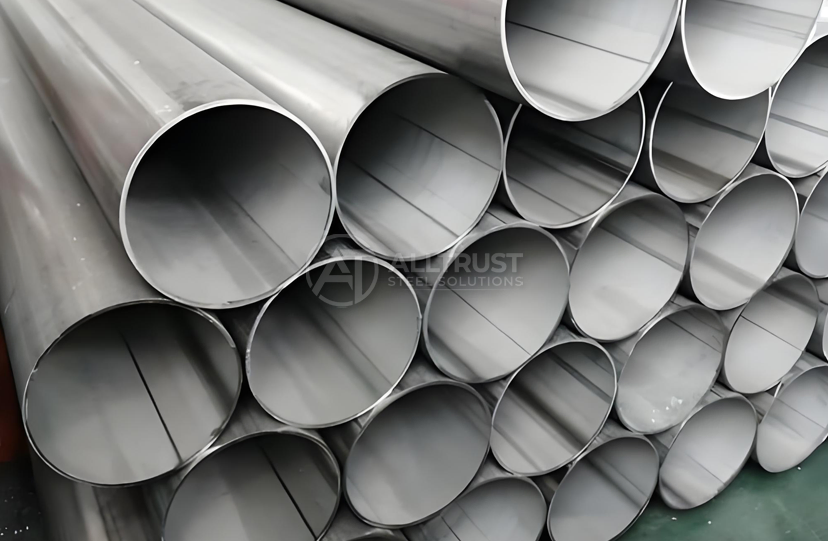
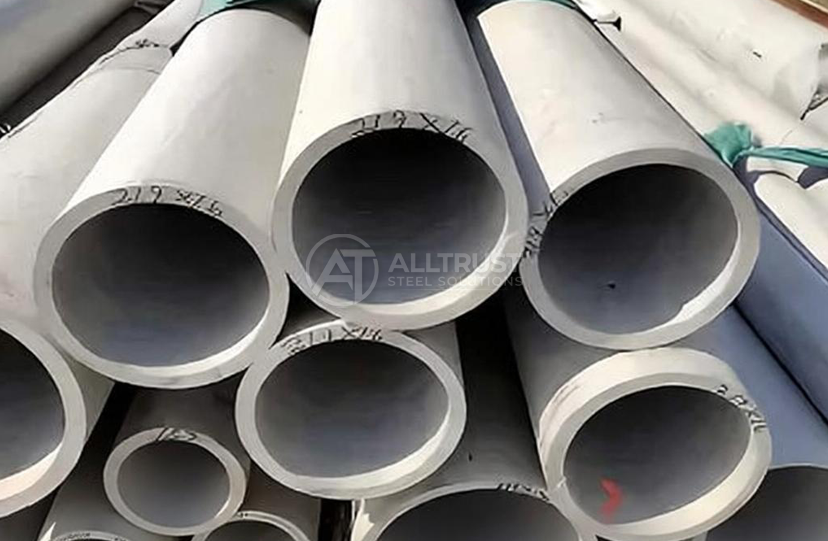
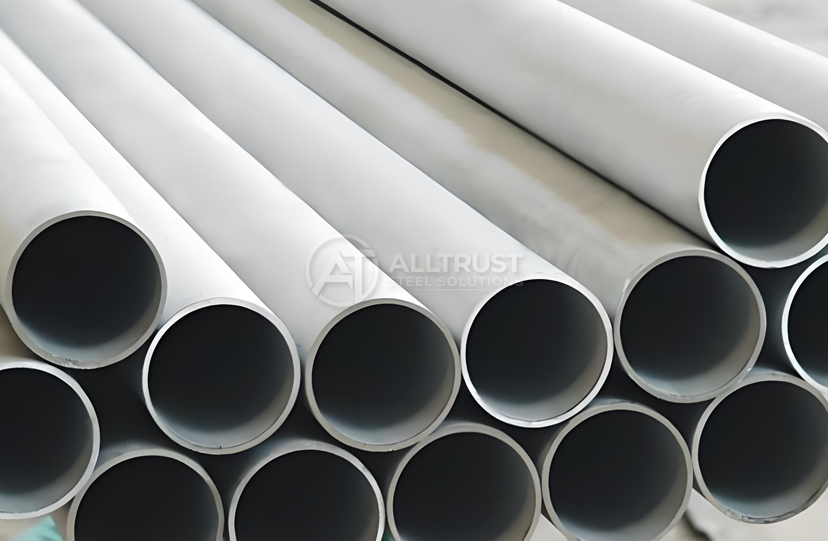
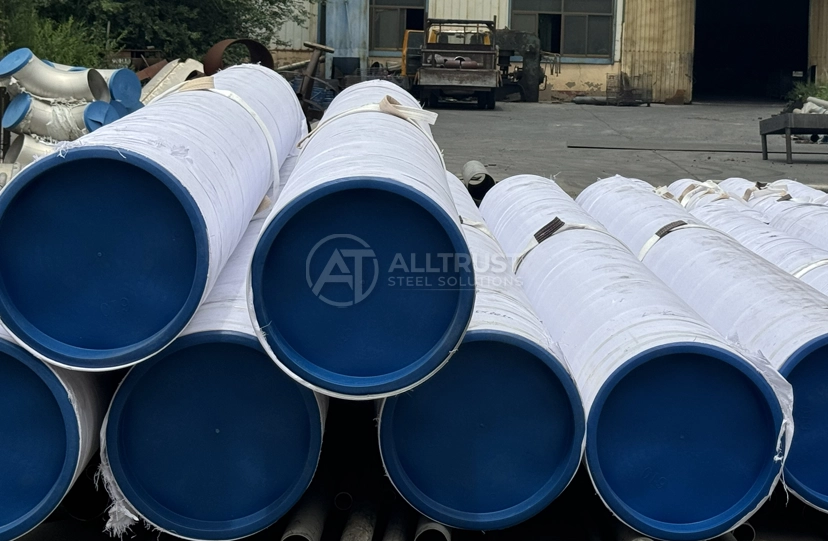
en 10217-7 welded tube
2. Standard: EN 10217-7, the definitive European benchmark standard for welded stainless steel tubes for pressure purposes
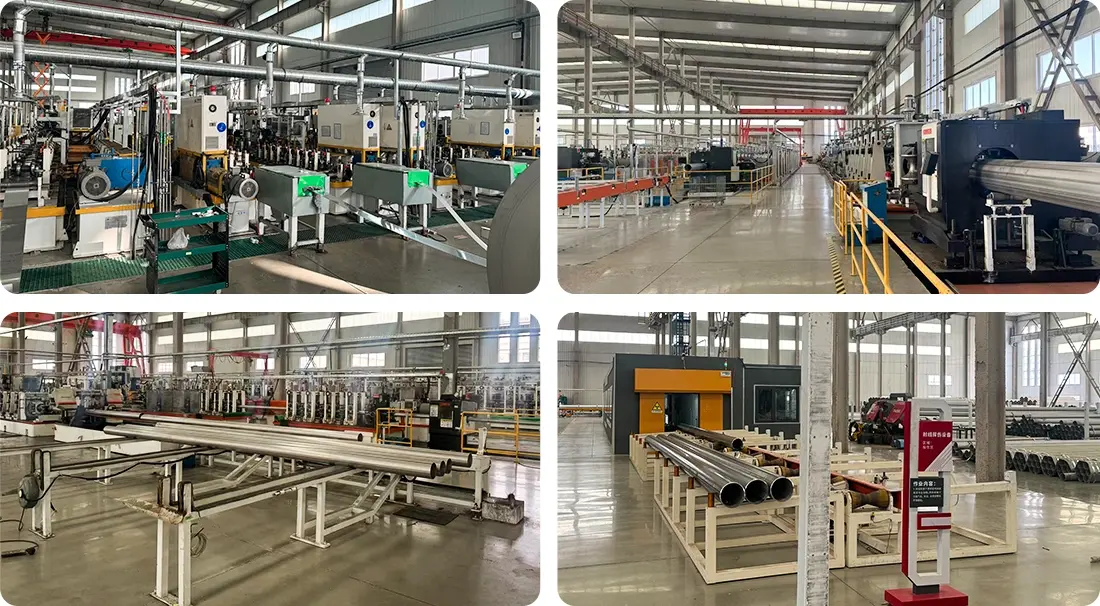
3. Process: 100% automated continuous longitudinal welding utilizing advanced plate forming with zero filler metal options
4. Size Range: Comprehensive metric and imperial dimensional matrices fully compliant with EN pressure equipment codes
5. Heat Treatment: Full furnace post-weld solution annealing to completely eliminate welding residual stresses and hardenings
6. Surface Finish: Standard industrial acid-pickled, descaled matte, or high-grit outer mechanical polished finish profiles
7. Application: Chemical process piping loops, industrial wastewater drainage, cooling towers, and general utility mains
8. Service Advantage: Highly flexible minimum order quantities (MOQ), supporting multi-class radiography testing (RT) alignment
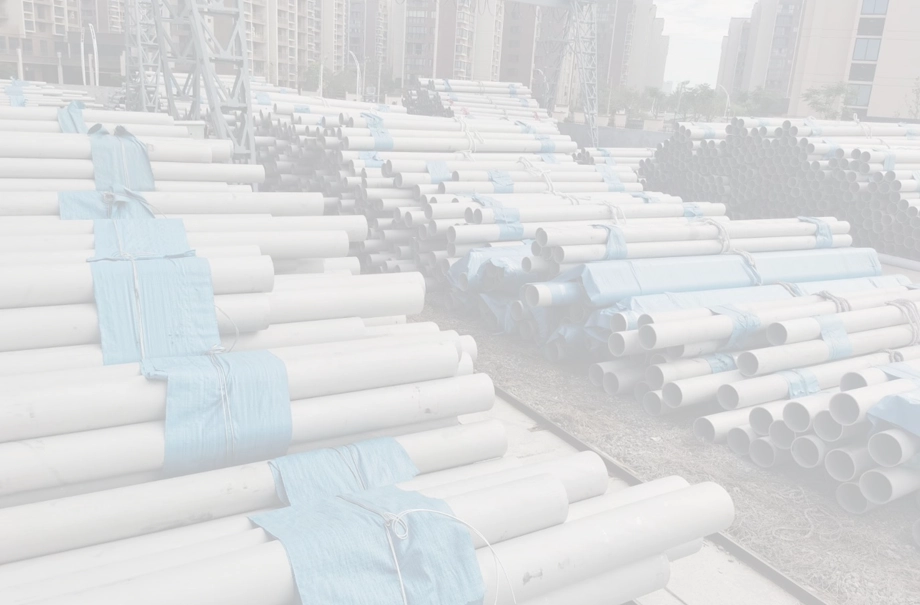
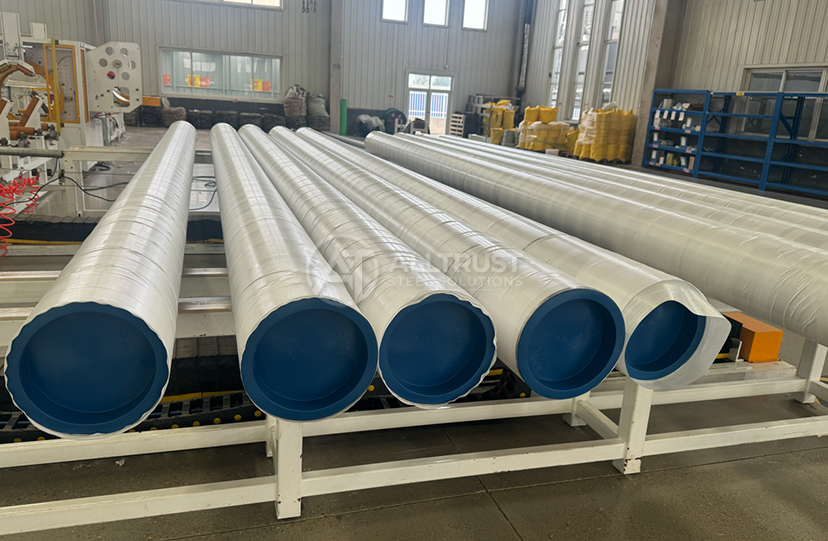
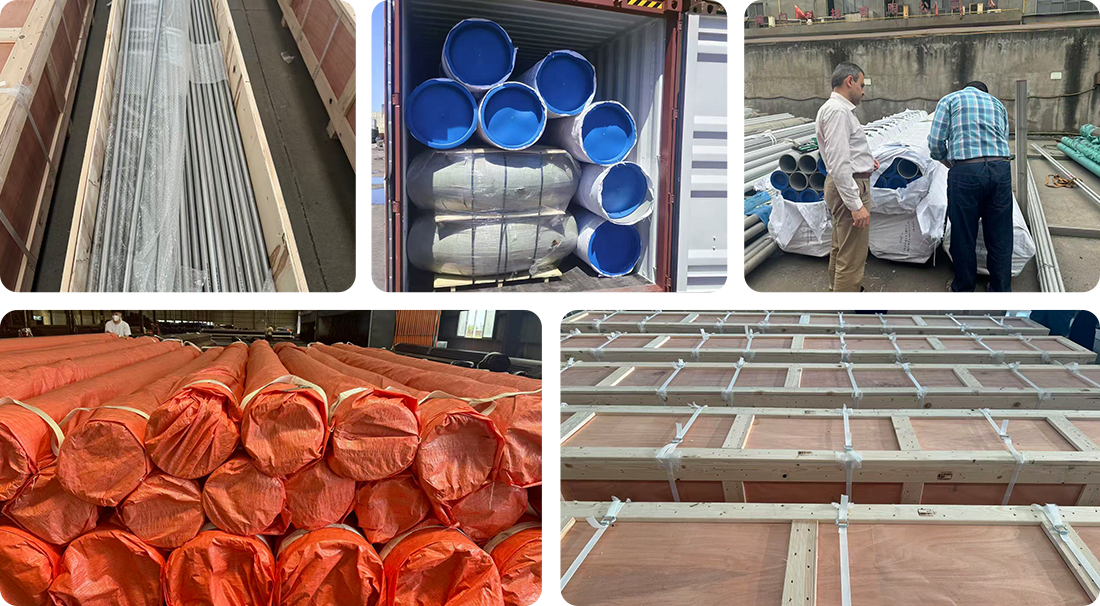
9. Packaging: Hexagonal ocean bundles bound with strong metal straps and heavy-duty protective pipe-end closures
10. Key Advantage: Delivers exceptional volumetric fluid transmission capacity paired with high seam weld ductility and great economy
EN 10217-7 Welded Tube – Premium European Pressure-Grade Stainless Steel Piping Solutions for Industrial Applications
HEBEI ALL TRUST STEEL CO., LTD specializes in manufacturing and supplying en 10217-7 welded tube designed for high-pressure industrial applications. We offer precision-engineered welded tubes in grades 1.4301, 1.4307, 1.4401, 1.4404, and 1.4541. Each year, we can make more than 15,000 tons of tubes and test them completely under water. Our advanced automated longitudinal welding process guaranties measurements are accurate to within ±0.05 mm, and the full solution annealing treatment makes sure the weld seam is strong and matches the properties of the base metal. Every product has to go through eddy current testing and is certified by EN 10204 3.1/3.2. This makes sure that it meets the requirements of PED 2014/68/EU for setups of pressure equipment in Europe.
What Makes EN 10217-7 Welded Tube the Industry Standard
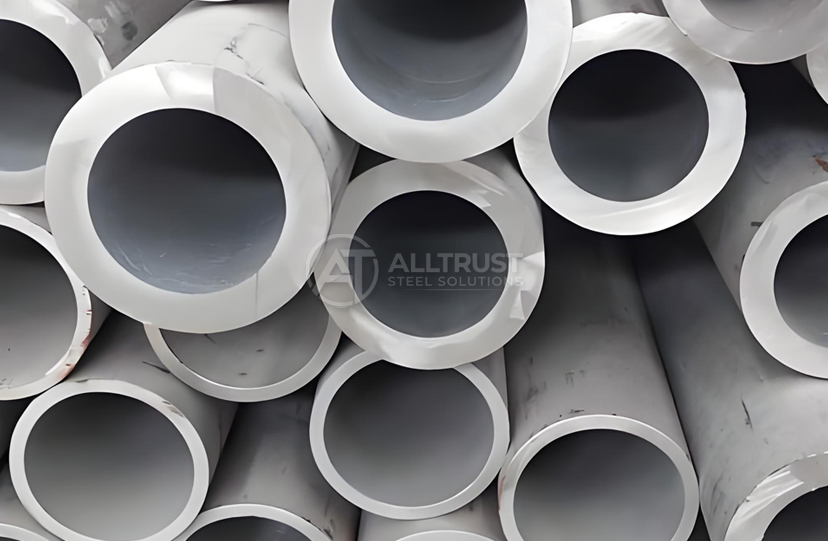
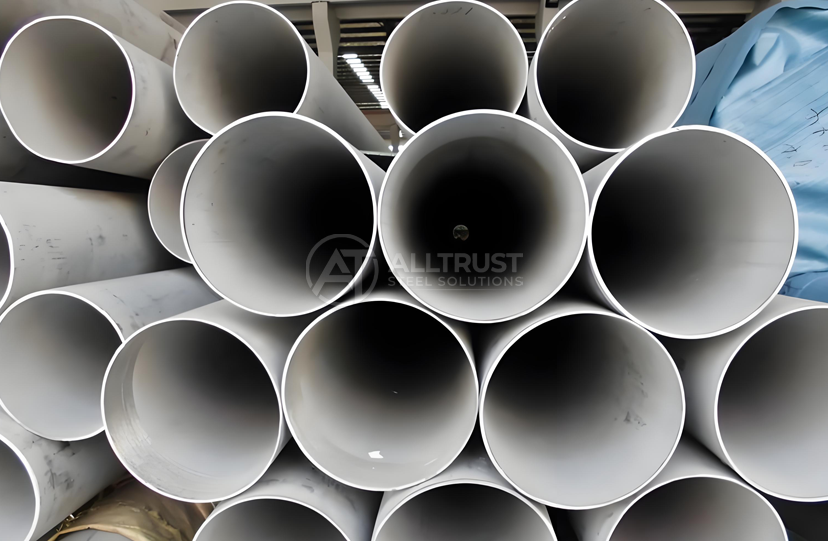
The product represents the definitive European benchmark for welded stainless steel tubes intended for pressure purposes. This technical delivery standard covers circular cross-section tubes manufactured from austenitic and duplex stainless steels through automated longitudinal welding.
Unlike conventional piping solutions, this specification addresses the critical "integrity gap" in high-pressure and corrosive environments. Engineers select this standard for applications demanding guaranteed material traceability, documented mechanical properties for design calculations, and cost-effective alternatives to seamless piping without compromising safety margins.
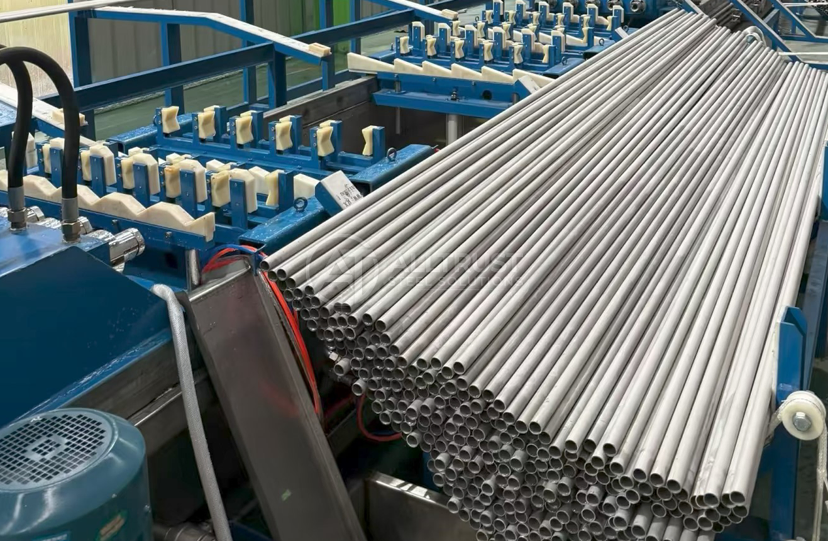
The standard mandates rigorous manufacturing protocols. Each production batch must demonstrate complete heat number traceability from raw material coils through final inspection. The welding process utilizes computer-controlled fusion technology, creating consistent seam quality across the entire tube length.
Post-weld heat treatment becomes mandatory for most pressure applications. Solution annealing dissolves all alloy elements uniformly into a stable crystalline matrix, ensuring the weld zone exhibits identical corrosion resistance to the parent material.
Technical Specifications Overview
| Parameter | Specification Details |
|---|---|
| Manufacturing Standard | EN 10217-7 / ASTM A312 / ASTM A358 |
| Material Grades | 1.4301 / 1.4307 / 1.4401 / 1.4404 / 1.4541 / 1.4571 |
| Welding Process | Automated TIG / Laser / Plasma Longitudinal Welding |
| Outer Diameter Range | 6.0 mm – 1219.2 mm |
| Wall Thickness Range | 0.5 mm – 30.0 mm |
| Standard Lengths | 5.8 m / 6.0 m / 11.8 m / 12.0 m / Custom Cut |
| Heat Treatment | Solution Annealed & Pickled (W2A) / Bright Annealed (W2B) |
| End Configurations | Plain End / Beveled End / Square Cut |
| NDT Methods | 100% Eddy Current / Hydrostatic Leak Test / RT for Critical Applications |
| Mechanical Testing | Transverse Weld Tensile / Flattening / Hardness / PMI Verification |
| Quality Certification | EN 10204 3.1 & 3.2 MTC / ISO 9001:2015 / PED 2014/68/EU |
| Surface Finishes | Acid Pickled / Mechanically Polished / Grit 240-320 |
| Tolerance Classes | EN ISO 1127 D3/T3 or D4/T4 Precision |
Core Advantages of Our EN 10217-7 Welded Tube Solutions
Exceptional Material Quality & Functional Performance
Our manufacturing utilizes 100% virgin austenitic stainless steel with guaranteed chemical composition. The product delivers superior concentricity and wall thickness uniformity through precision plate forming technology.
Modern automated welding systems keep the quality of the fusion and penetration depth constant. Common welding flaws like lack of fusion, porosity, or too much reinforcement can be avoided by using parameters that are monitored by a computer.
Strict rules for testing and controlling production
Every batch of products is made according to strict European rules for pressure equipment compliance. Continuous live eddy current screening finds tiny surface flaws in real time while the product is being made.
Mandatory hydrostatic testing at 1.5 times design pressure validates leak-tight integrity. For critical applications requiring TC2 classification, radiographic testing provides additional weld seam verification.
Post-weld solution annealing eliminates residual stresses and prevents sensitization. This heat treatment restores optimal corrosion resistance across the entire tube structure, including heat-affected zones.
Comprehensive Customization Capabilities
We support extensive dimensional flexibility across metric and imperial specifications. Custom weld preparation includes precision beveling angles for automated orbital welding systems.
Length cutting tolerances meet +0/-3mm precision for direct installation requirements. Roll-grooving end preparations accommodate mechanical coupling systems for rapid field assembly.
Surface finishing options for the en 10217-7 welded tube range from standard pickled descaling to high-grit mechanical polishing for pharmaceutical-grade applications. Bright annealing provides mirror-like surfaces suitable for cleanroom environments.
Critical Applications
Chemical Processing Infrastructure
Heat exchanger bundles and reactor piping systems transporting corrosive media benefit from the pitting resistance of 1.4404 grade material. The low-carbon content prevents carbide precipitation during welding, maintaining intergranular corrosion resistance.
Process lines handling dilute acids, organic solvents, and chloride-containing solutions rely on the material's documented mechanical properties for pressure vessel calculations according to EN 13480 standards.
Pharmaceutical & Biotechnology Systems
High Purity Water (WFI) distribution networks require the contamination-free surface provided by solution-annealed and electropolished tubes. The weld seam integrity matches base metal cleanliness standards critical for FDA validation protocols.
Sterile process piping for active pharmaceutical ingredients demands full material traceability and 3.2 inspection certificates for regulatory compliance documentation.
Marine & Desalination Facilities
Seawater cooling systems on offshore platforms withstand salt-spray environments through the enhanced chloride resistance of 316L alloy composition. Stress corrosion cracking resistance becomes critical under constant internal pressure combined with external corrosive exposure.
Desalination plant piping handles high-flow volumes efficiently while maintaining structural stability against thermal cycling and pressure fluctuations.
Quality Assurance & Testing Standards
Our four-stage quality control process ensures every tube meets international specifications:
Stage 1: Raw Material Verification
Spectrographic analysis confirms chemical composition compliance. Heat number documentation establishes complete material genealogy from steel mill to final product.
Stage 2: Production Monitoring
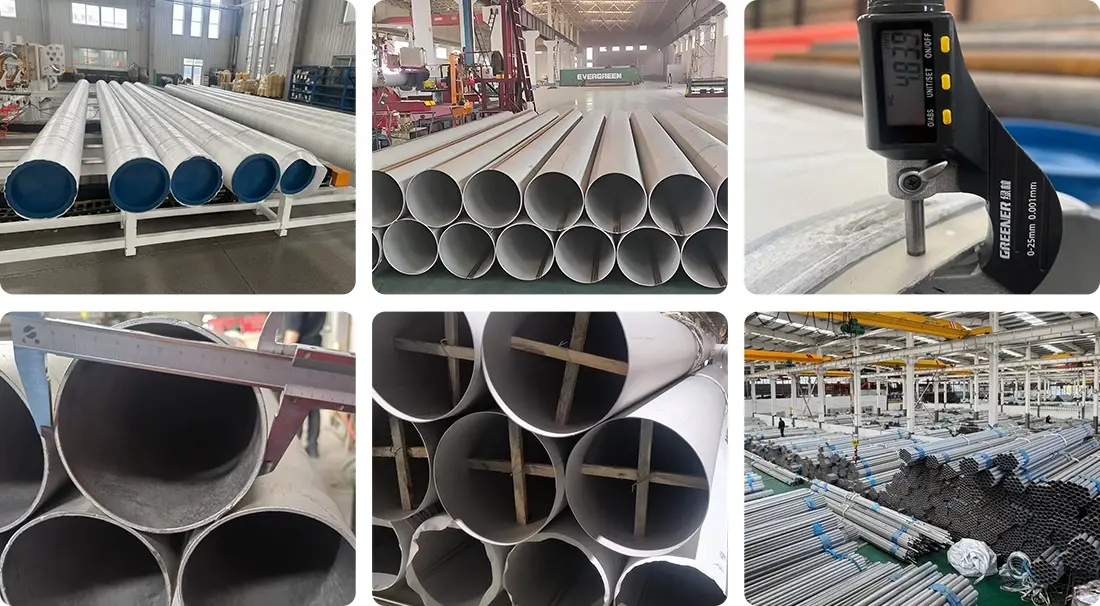
Real-time dimensional inspection tracks outer diameter and wall thickness consistency. Laser measurement systems verify straightness and ovality within specified tolerances.
Stage 3: Non-Destructive Testing
Mandatory eddy current examination detects surface and near-surface discontinuities. Hydrostatic testing validates pressure containment capability. Optional radiographic testing provides volumetric weld seam inspection for TC2 classification.
Stage 4: Mechanical & Chemical Testing
Transverse weld tensile testing verifies joint strength exceeding base metal requirements. Flattening tests demonstrate ductility without crack formation. Intergranular corrosion testing per EN ISO 3651-2 confirms proper heat treatment effectiveness.
FAQ
Q:What distinguishes TC1 from TC2 test categories for the product specifications?
A:TC2 represents a more stringent inspection regime mandating 100% non-destructive testing of longitudinal weld seams through radiographic or ultrasonic methods. This classification requires independent third-party verification and provides a weld joint factor of 1.0 in pressure calculations, equivalent to seamless tube design strength. TC1 utilizes eddy current testing as the primary NDT method with sampling-based verification protocols.
Q:Can these pressure tubes perform reliably in cryogenic temperature environments?
A:Austenitic grades such as 1.4404 and 1.4307 maintain excellent impact toughness at temperatures down to -196°C. Charpy V-notch testing validates ductile behavior in sub-zero conditions, making these materials suitable for LNG transfer systems and industrial gas handling applications without risk of brittle fracture.
Q:How does solution annealing affect the long-term corrosion performance of welded tube systems?
A:Solution annealing at 1040-1100°C dissolves chromium carbides that form during welding thermal cycles. This heat treatment eliminates sensitization zones susceptible to intergranular corrosion, restoring uniform chromium distribution throughout the material matrix. The process ensures the weld zone exhibits identical passivation characteristics to the base metal over decades of service life.
Q:What surface finish options best suit high-purity pharmaceutical processing applications?
A:Bright annealed finishes provide Ra values below 0.8 μm suitable for CIP/SIP cleaning protocols. Electropolishing further reduces surface roughness to Ra 0.4 μm while removing embedded iron particles and creating an enhanced passive layer. These finishes minimize bacterial adhesion points and facilitate validation of cleaning effectiveness per FDA 21 CFR Part 11 requirements.
Q:What documentation packages support PED compliance for European pressure equipment installations?
A:Complete material traceability includes EN 10204 3.2 inspection certificates with actual chemical analysis, mechanical test results, and heat treatment records. PED 2014/68/EU compliance documentation provides manufacturer's declaration of conformity, design calculation verification per EN 13480, and NDT procedure qualification records. Third-party notified body certification becomes mandatory for Category III and IV pressure equipment classifications.
Contact Us
Ready to specify pressure-grade welded tubing for your next project with the en 10217-7 welded tube? Contact our technical team at info@hballtrust.com for expert material selection guidance, detailed quotations, and delivery scheduling tailored to your engineering requirements.