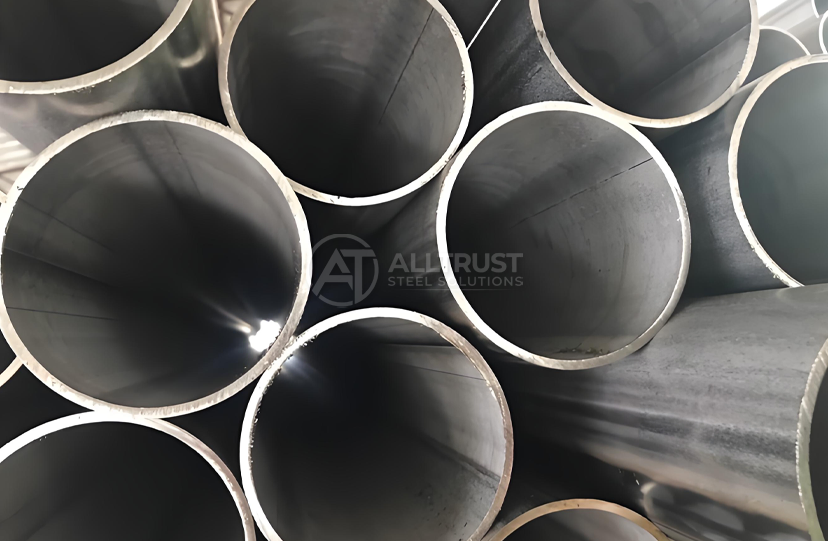
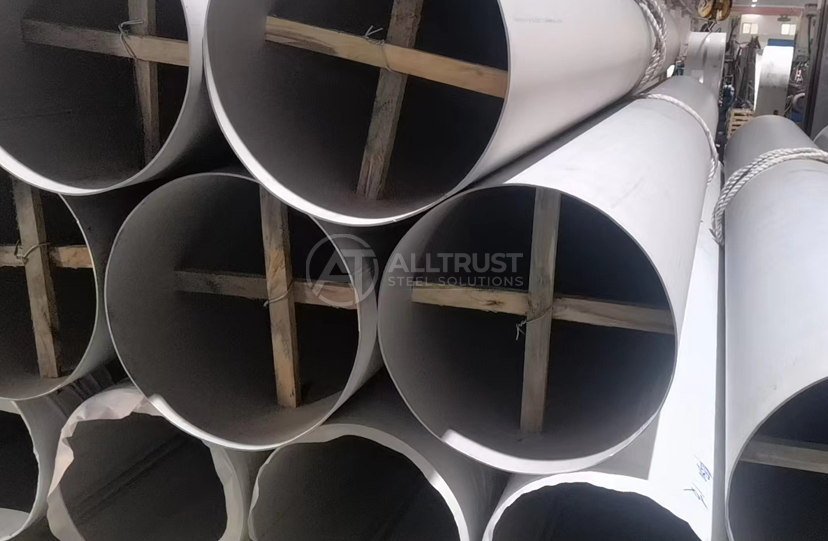
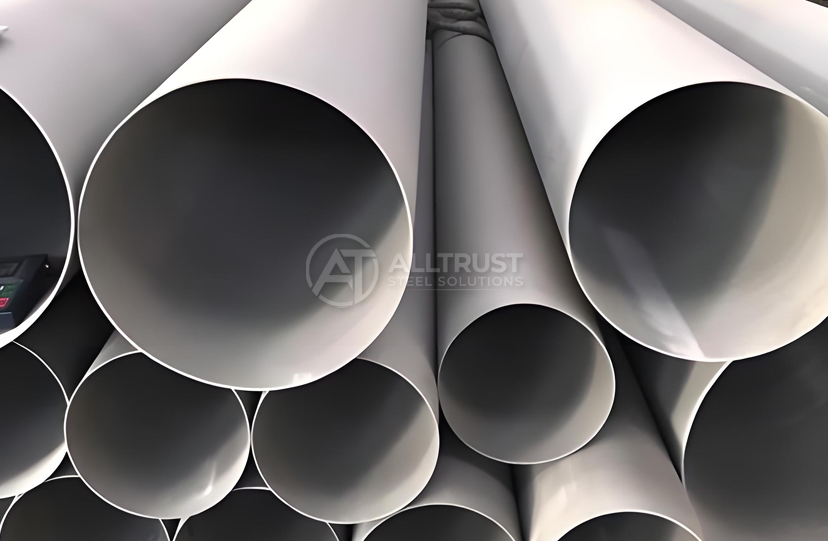
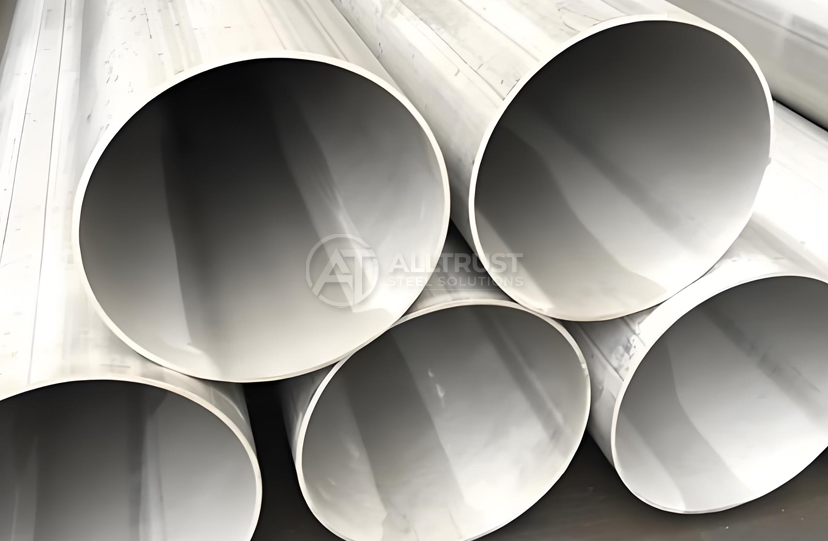
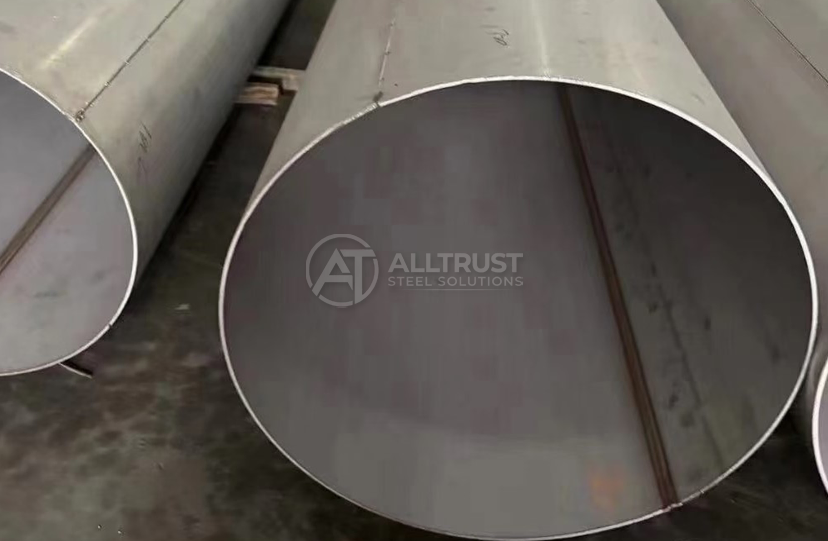
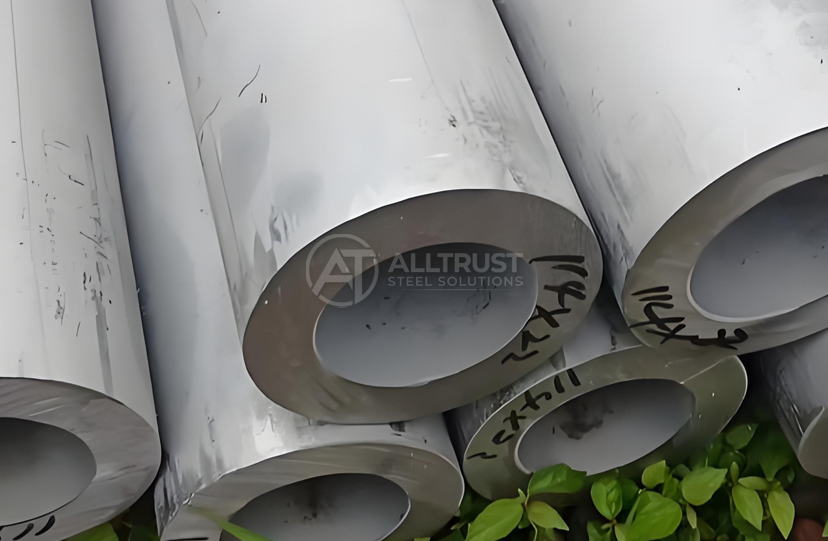
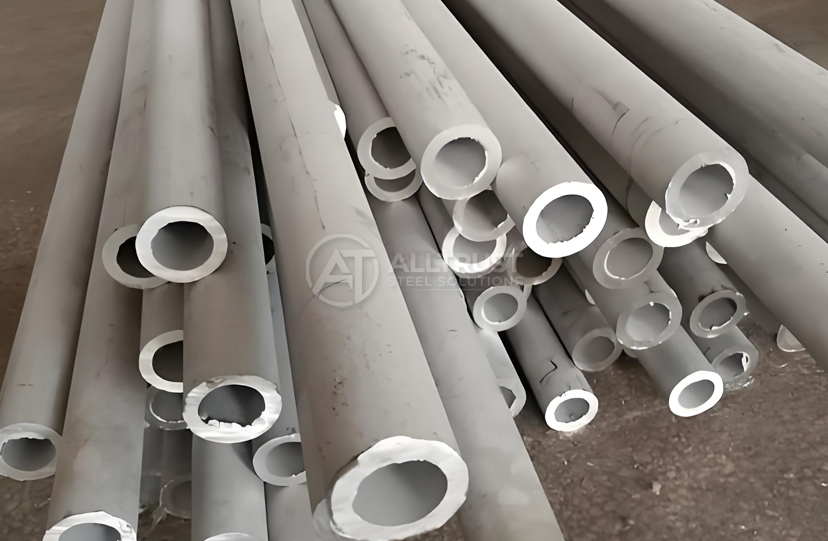
astm a269 tp316l tube
2. Standard: ASTM A269 / ASME SA269, governing high-purity nominal-wall tubing for general service industries
3. Process: High-precision precision cold drawn or cold rolled seamless, ensuring an ultra-smooth internal bore surface
4. Size Range: Metric and imperial outside diameters from 1/4" to 5" with strict decimal wall tolerance control
5. Heat Treatment: Bright annealed (BA) in a hydrogen-protected environment to guarantee absolute internal cleanliness
6. Surface Finish: High-purity bright annealed mirror look, electro-polished (EP), or precision mechanical polished
7. Application: Biopharmaceutical manufacturing, medical gas distribution, chemical dosing loops, and marine instrumentation
8. Service Advantage: Sourced from tier-one steel billets, 100% eddy current tested, and custom short lengths available
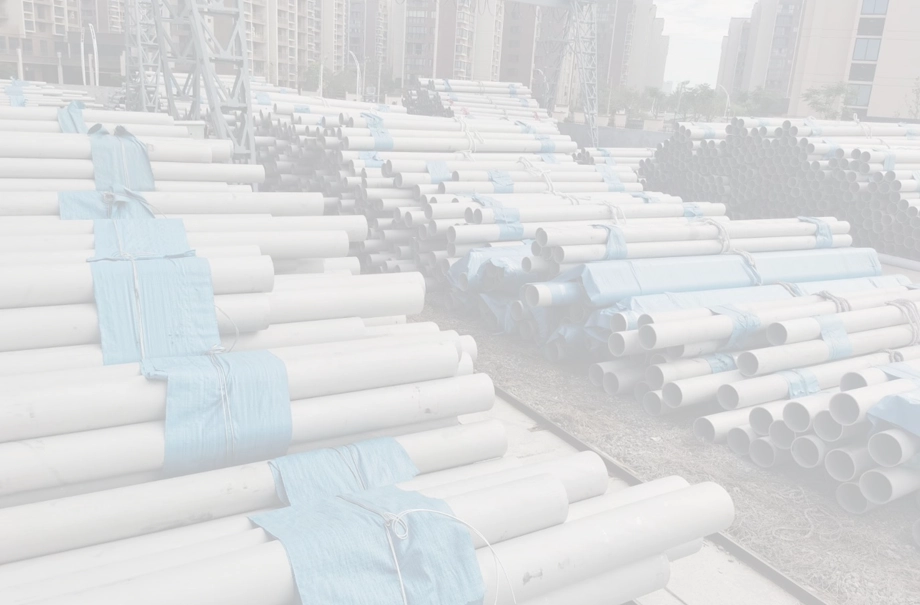
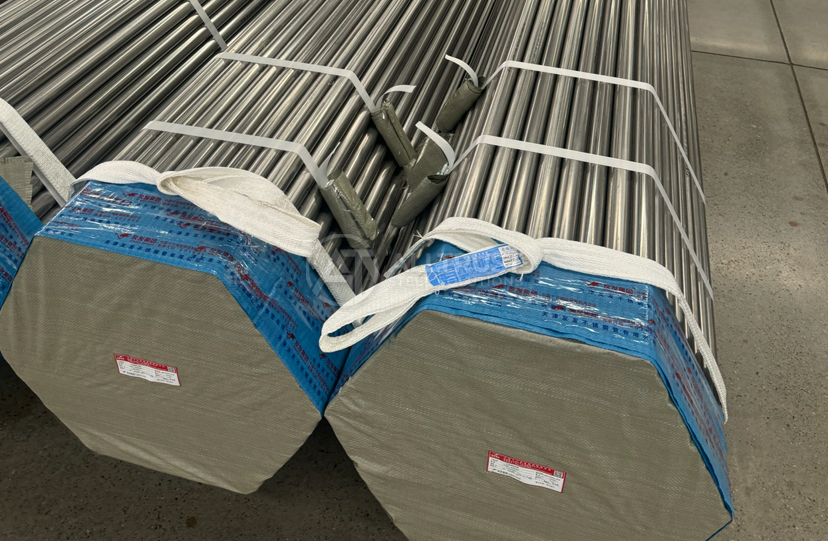
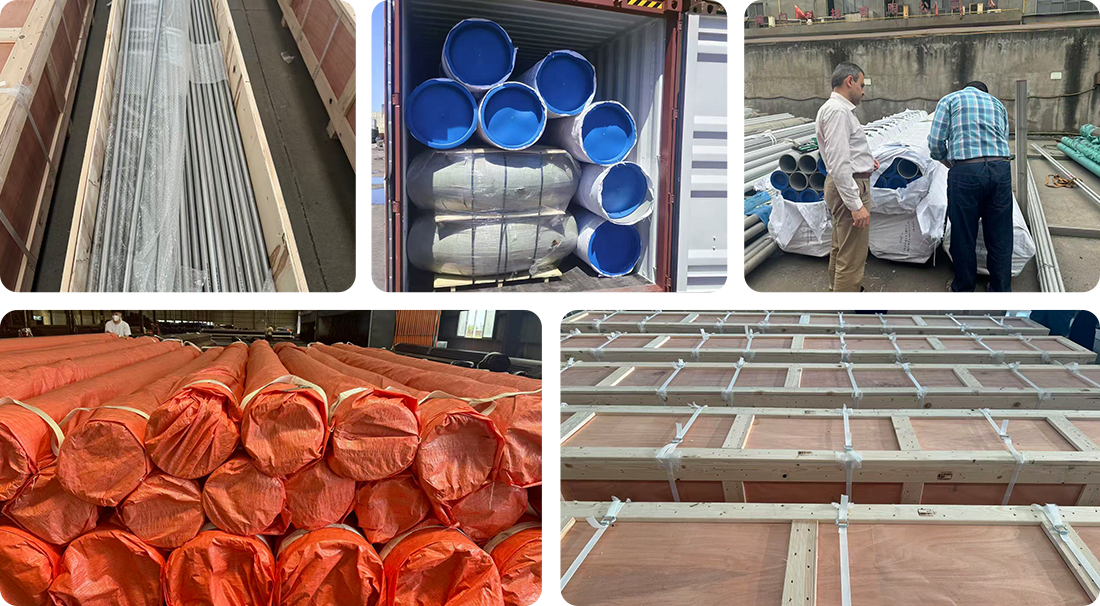
9. Packaging: Each tube individually capped and plastic-sleeved, securely nested in robust export plywood crates
10. Key Advantage: Supreme defense against chloride-induced pitting while eliminating intergranular decay risks after field welding
ASTM A269 TP316L Tube – Ultra-Low Carbon Seamless Solution for High-Purity Industrial Systems
ASTM A269 TP316L tube represents a precision-engineered, ultra-low carbon austenitic stainless steel tubing solution manufactured to meet rigorous international standards for high-purity and corrosion-critical applications. Hebei All Trust Steel Co., Ltd delivers this premium-grade tubing with an annual production capacity exceeding 15,000 tons, with 100% hydraulic test coverage and full dimensional traceability. The carbon content is kept below 0.03% and the molybdenum integration may reach 2.0-3.0%, which not only prevents the occurrence of intergranular corrosion after welding but also has excellent chloride pitting resistance. All tubes are bright annealed in hydrogen protected atmospheres and fully eddy current inspected to provide pharmaceutical grade interior surface cleanliness and structural integrity for the most demanding fluid transfer systems.
What Makes ASTM A269 TP316L Tube Different
The technical difference in this tube is its improved metallurgical composition. The extra-low carbon profile inhibits carbide precipitation during heat cycles unlike conventional austenitic grades. This feature becomes important if your welding processes put neighbouring heat-affected zones at danger of becoming sensitised.
The inclusion of molybdenum produces a passive oxide film which is resistant to chloride assault. This provides better protection for your offshore hydraulic lines and maritime instrumentation equipment. Chromium 16.0-18.0% and nickel 10.0-14.0% provide uniform corrosion resistance throughout temperature.
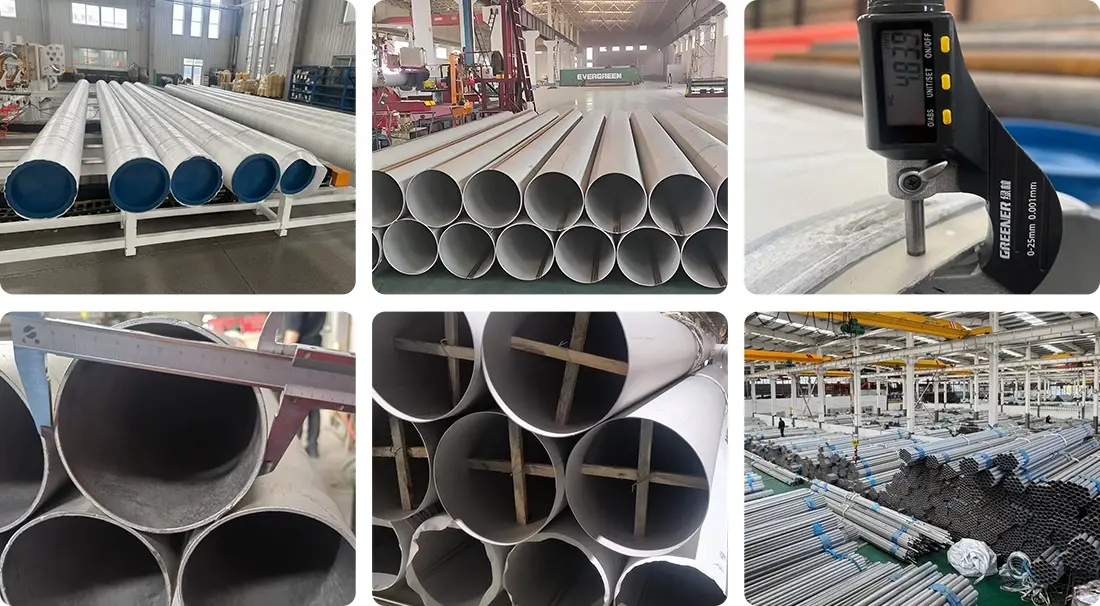
Manufacture precision to assure the dimensional correctness within ±0.05 mm tolerance. Cold drawing procedures result in ultra-smooth interior surfaces with optimised roughness values. This surface quality lowers particle entrapment and facilitates validation methods in biopharmaceutical installations.
Technical Specifications
| Parameter | Specification |
|---|---|
| Standard | ASTM A269 / ASME SA269 / EN 10216-5 |
| Grade | TP316L (UNS S31603 / 1.4404) |
| Manufacturing Process | Cold Drawn / Cold Rolled Seamless |
| Outer Diameter | 1/4" to 5" (6.35 mm to 127 mm) |
| Wall Thickness | 0.010" to 0.200" (0.25 mm to 5.08 mm) |
| Length Options | 6 m / 12 m / Custom Cut / Coiled |
| Surface Finish | Bright Annealed (BA) / Electropolished / Mirror Polished |
| Carbon Content (max) | 0.035% |
| Molybdenum Content | 2.0-3.0% |
| Tensile Strength (min) | 485 MPa (70 ksi) |
| Yield Strength (min) | 170 MPa (25 ksi) |
| Hardness (max) | 90 HRB / 200 HV |
| Testing | 100% Eddy Current / Hydrostatic / PMI Analysis |
| Certificates | EN 10204 3.1/3.2 MTC / ISO 9001:2015 |
Why Choose Our TP316L Tubing System
Material Purity and Corrosion Defense
Our product utilizes 100% virgin stainless steel billets sourced from tier-one mills. Zero recycled scrap materials means guaranteed nickel and chromium consistency across every production lot. The ultra-low carbon formulation completely eliminates sensitization concerns in your pharmaceutical clean steam systems and chemical dosing loops.
Molybdenum integration provides definitive protection against localized corrosion mechanisms. Your seawater cooling circuits and marine instrumentation panels gain extended service life even under continuous chloride exposure. Independent intergranular corrosion testing per ASTM A262 Practice E confirms metallurgical stability.
Advanced Manufacturing and Quality Assurance
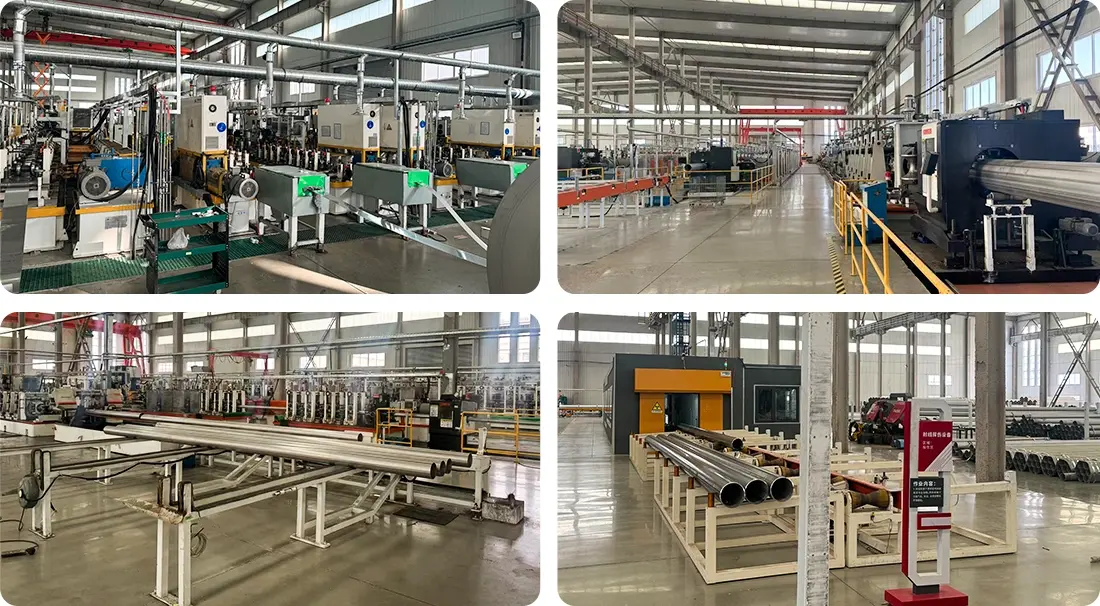
Precision cold drawing through carbide dies achieves exceptional dimensional uniformity. Wall thickness variation remains within strict decimal tolerances, ensuring consistent flow characteristics and pressure ratings. Vertical furnace bright annealing creates a scale-free mirror finish that minimizes fluid friction losses and bacterial adhesion points.
Every tube undergoes 100% eddy current examination using calibrated probes. This non-destructive testing detects subsurface discontinuities before tubes enter your critical installations. Representative samples face rigorous flattening tests, flare expansion trials, and cross-sectional metallographic analysis. PMI verification confirms alloy composition at multiple points along each coil.
Flexible Customization and Processing Support
Your project specifications drive our manufacturing approach. We accommodate custom thin-wall configurations for weight-sensitive aerospace hydraulic systems. Metric dimensional variations suit international engineering blueprints. Specialized deburring and square-cut plain ends eliminate post-delivery machining operations.
Electropolishing services provide Ra < 0.4 µm surface roughness for ultra high purity semiconductor gas supply. Precision length cuts up to ±1 mm precision for pre-fabricated modular assemblies. Individual plastic sleeve packing keeps surfaces intact via multi-modal transit to your assembly facilities.
Core Application Environments
Pharmaceutical and Biotechnology Manufacturing
High-purity water systems demand materials that withstand repetitive CIP and SIP sterilization cycles. The astm a269 tp316l tube maintains surface passivity through hundreds of thermal shocks. Ultra-smooth internal walls prevent product retention and simplify validation documentation.
Bioreactor sampling lines and aseptic transfer tubes benefit from the low carbon formulation. Your welding procedures create contamination-free joints without subsequent heat treatment. Critical process analyzers receive consistent flow delivery through dimensionally stable tubing networks.
Marine and Offshore Engineering
Hydraulic control lines on offshore platforms face constant salt spray exposure. Our TP316L tubing resists pitting corrosion where standard 304 grades fail within months. Subsea instrumentation bundles maintain signal integrity through the tube's electrical isolation properties and structural stability.
Seawater cooling systems in desalination plants utilize the molybdenum-enhanced resistance to chloride attack. Your heat exchanger tube bundles operate reliably across thermal cycling without stress corrosion cracking. Firewater deluge systems preserve emergency response capability through decades of standby service.
Chemical Processing and Instrumentation
Analyzer sample lines carrying acidic process streams require materials resistant to both general and localized corrosion. The combination of chromium passivation and molybdenum enhancement protects your analytical integrity. Control valve instrumentation tubes deliver precise pneumatic signals without dimensional drift from corrosion thinning.
Heat tracing bundles in sulfuric acid production benefit from the thermal stability and oxidation resistance. Your temperature measurement systems maintain accuracy through consistent thermal conductivity. Vent and drain connections resist crevice corrosion at threaded interfaces and compression fittings.
Quality Documentation and Compliance Support
Comprehensive EN 10204 3.1 Mill Test Certificates with heat number tracking are included with every shipment. Spectrographic analysis is used to provide chemical composition reports which show the amounts of carbon, chromium, nickel and molybdenum. Mechanical test findings are consistent with observed coupon testing of tensile strength, yield strength and elongation .
Third-party inspection coordination with SGS, TÜV, or Bureau Veritas provides independent verification. Our quality team facilitates witness testing at mill facilities and final inspection before shipment. Pressure testing documentation supports your piping system qualification and regulatory submissions.
Complete material traceability links finished tubes to original steel billet certifications. This documentation chain satisfies FDA, ASME BPE, and international pharmaceutical equipment standards. Certificate of Origin support expedites customs clearance for time-sensitive project deliveries.
FAQ
Q:Why should a project engineer mandate this product over a traditional tp316 layout?
A:The TP316L version drops carbon metrics below 0.03% while retaining heavy molybdenum integration, completely eliminating weld-decay sensitization and protecting high-precision laboratory and biotech networks from crevice corrosion. This becomes essential when your welding schedules cannot accommodate post-weld heat treatment, and when regulatory compliance demands demonstrated resistance to intergranular attack.
Q:What advanced heat treatment processes secure the microstructural uniformity of this low-carbon tube batch?
A:Every production lot is subjected to program-controlled vertical furnace solution annealing and rapid water-quenching lines to dissolve all alloying elements uniformly and completely eliminate internal micro-stresses. This thermal processing creates a fully austenitic structure with optimized grain size distribution, ensuring consistent mechanical properties and maximum corrosion resistance across the entire tube length.
Q:What specialized testing measures confirm the structural safety and material purity of this tube series?
A:Beyond regular eddy current tracking, representative batch coupons are subjected to severe mechanical flattening trials, cross-sectional flare expansions, and precise Positive Material Identification (PMI). Additional intergranular corrosion testing per ASTM A262 Practice E verifies metallurgical stability, while hydrostatic testing to 1.5 times working pressure confirms leak-proof integrity.
Q:Can the dimensional parameters of this low-carbon series be customized to fit compact chemical reactor blueprints?
A:Yes, we offer extensive manufacturing flexibility covering custom thin wall metrics, specialized metric variations, and tailored deburred square-cut plain ends. Your engineering drawings guide our precision cutting operations, with tolerance control meeting or exceeding ASTM dimensional requirements for seamless mechanical tubing applications.
Q:What independent third-party inspection certifications are accepted for this low-carbon instrumentation line?
A:Our advanced mills are fully ISO 9001:2015 and PED certified, welcoming independent witness audits by international inspection bodies including SGS, TÜV, and Bureau Veritas (BV). Inspection protocols can include dimensional verification, surface quality assessment, mechanical testing observation, and complete documentation review to satisfy your project quality plans.
Contact Us
Ready to Secure Your Supply with the astm a269 tp316l tube? Contact our technical team at info@hballtrust.com to discuss your specific tubing requirements. We provide rapid quotations, material certifications, and logistics coordination for your next critical installation project.