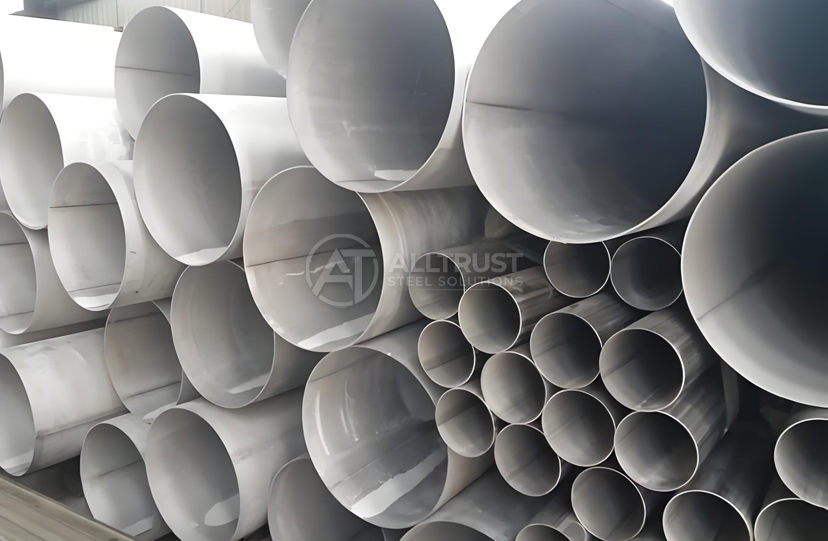
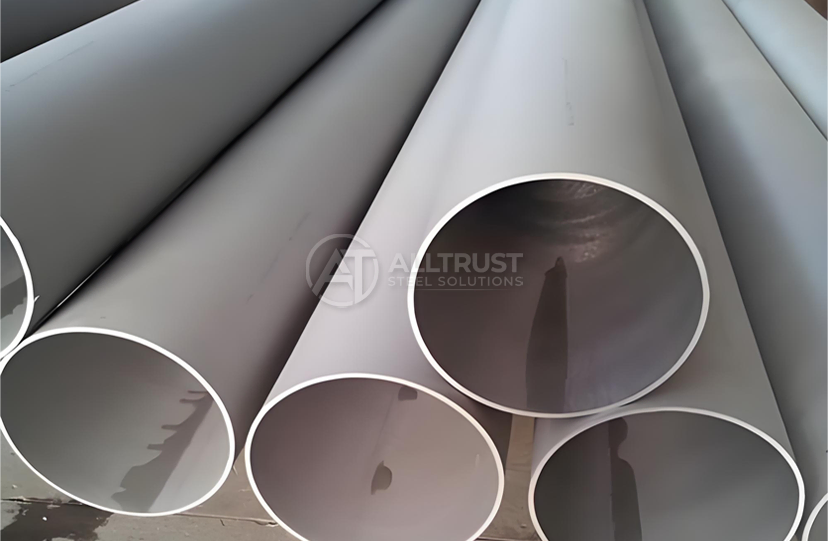
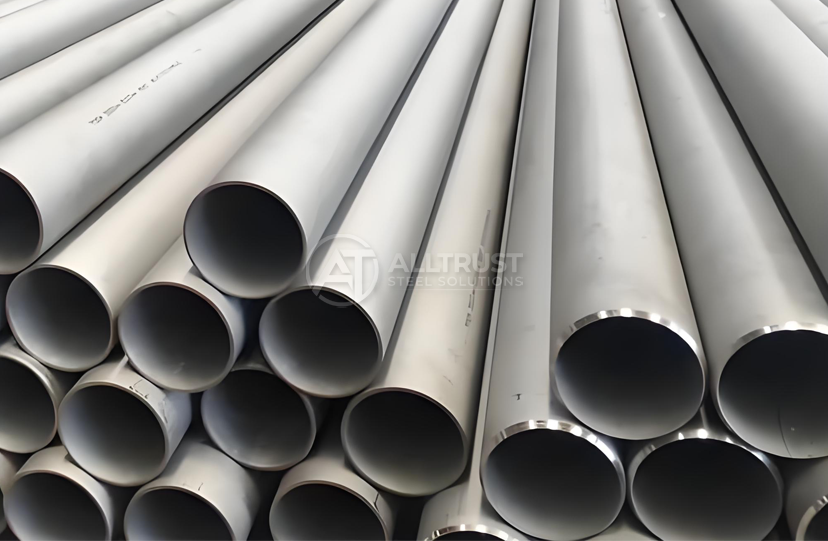
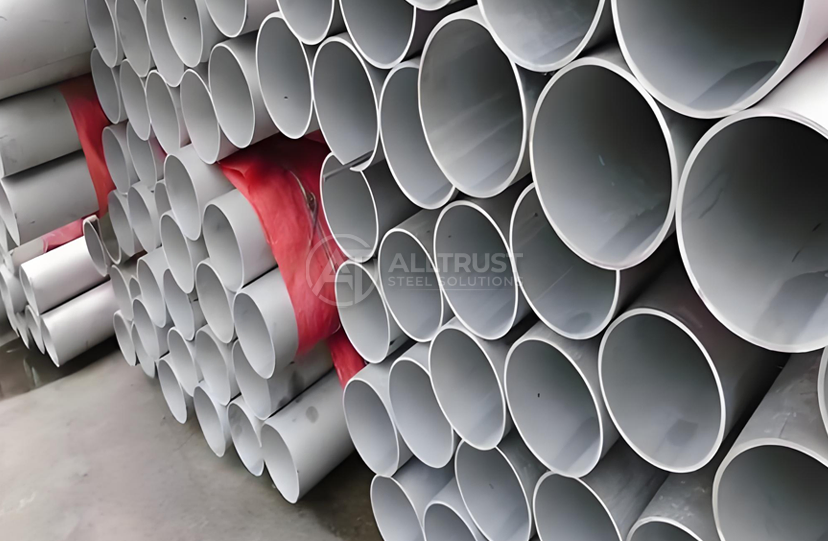
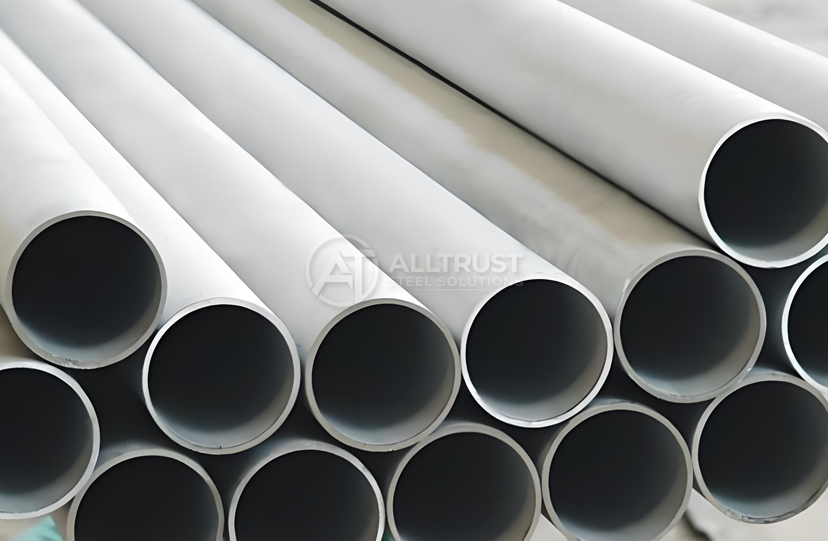
astm a376 tp321h pipe
2. Standard: ASTM A376 / ASME SA376, tailored for severe high-temperature corrosion environments
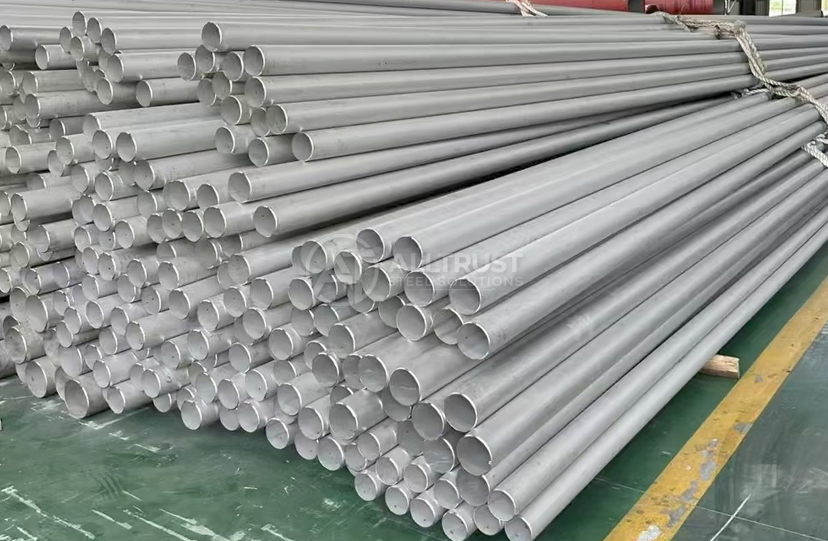
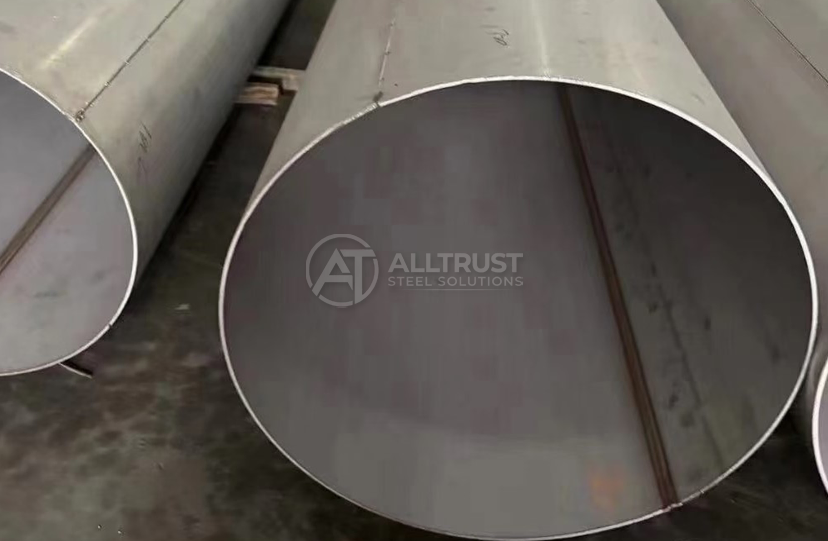
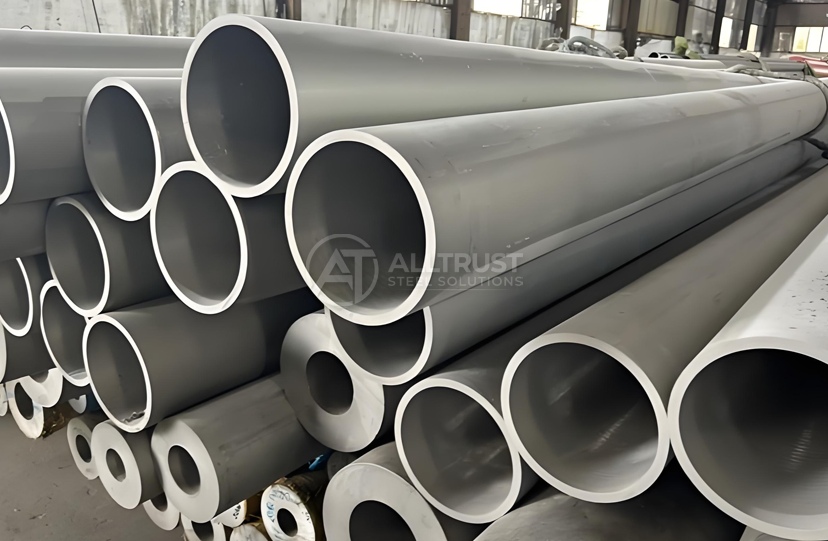
3. Process: Premium seamless processing, ensuring uniform wall thickness and concentricity
4. Size Range: Wall thickness from Sch 10S to Sch 160, comprehensive diameter selections
5. Heat Treatment: Stabilizing heat treatment applied after solution annealing to fix titanium carbides
6. Surface Finish: Uniform pickled matte surface, polished options available upon engineering request
7. Application: Heat exchangers, aerospace exhaust manifolds, and high-pressure steam boilers
8. Service Advantage: Mill stock availability for urgent projects, flexible production for custom sizes
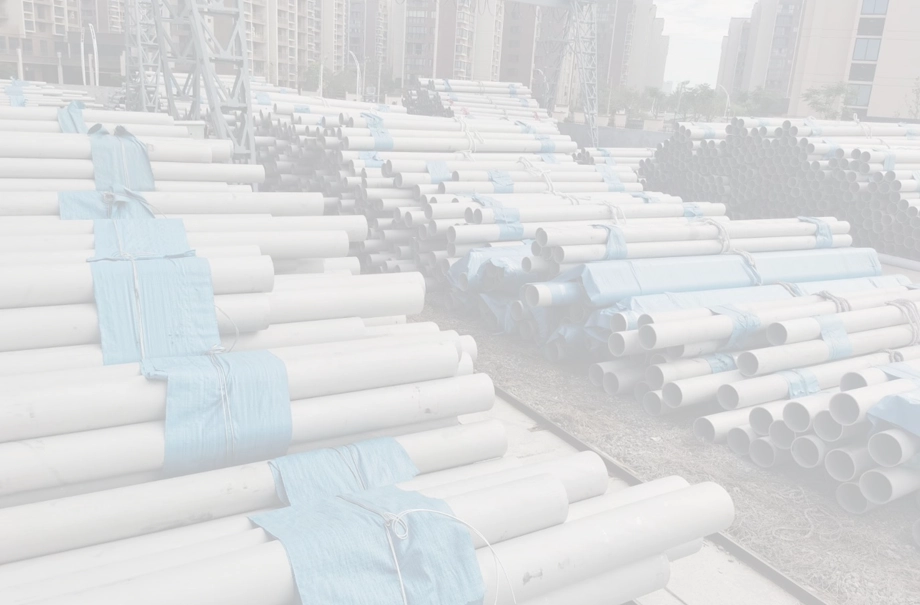
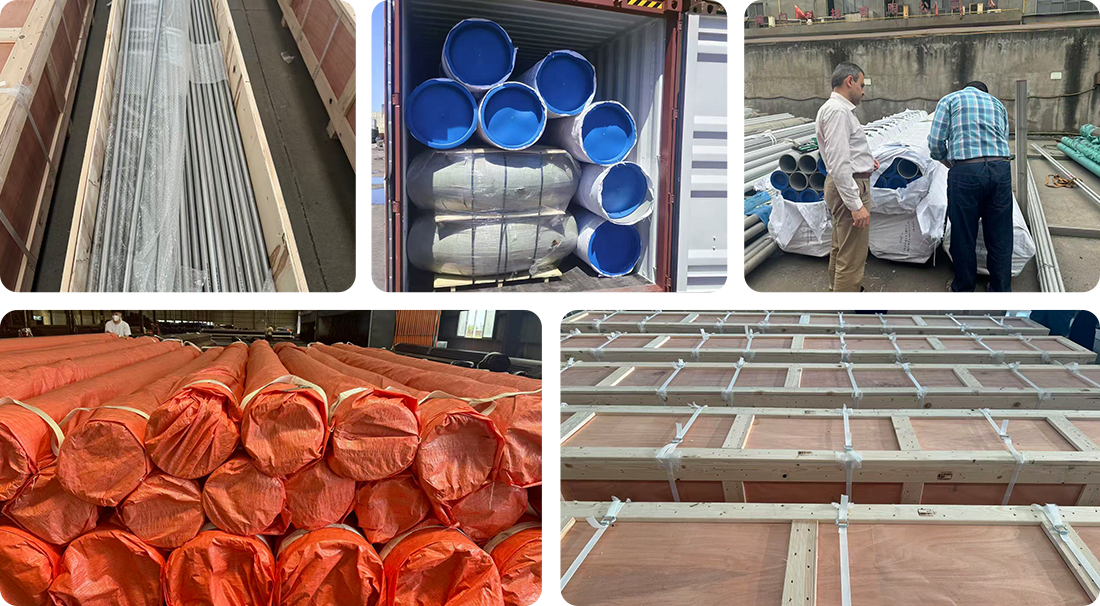
9. Packaging: Waterproof woven bags or reinforced wooden pallets tailored for sea and air freight
10. Key Advantage: Complete immunity to intergranular corrosion under continuous high-temperature exposure
ASTM A376 TP321H Pipe – Titanium-Stabilized Seamless Solution for High-Temperature Central Station Service
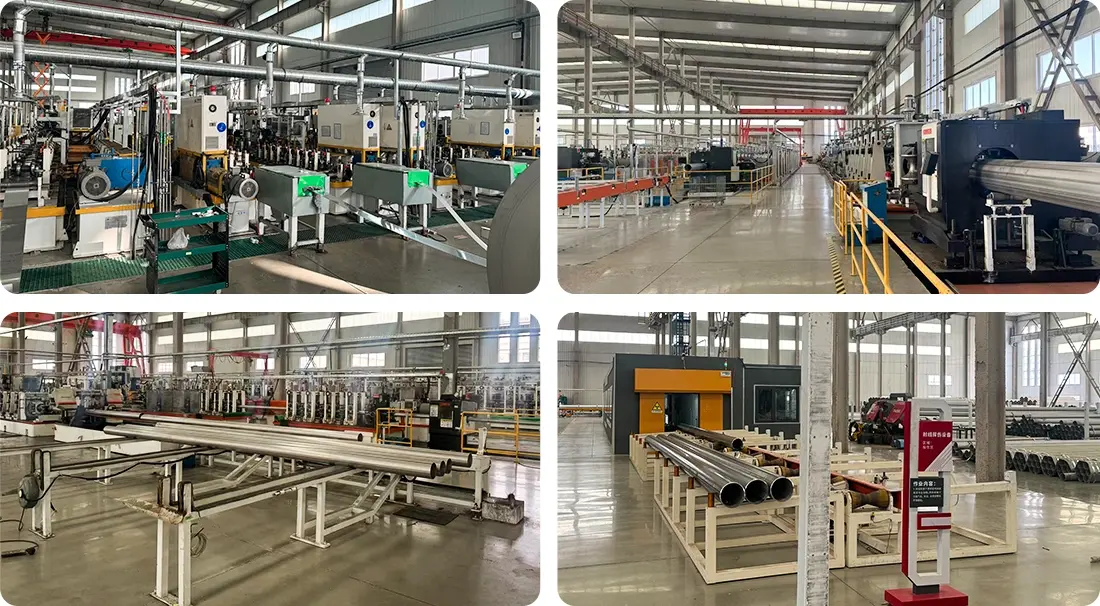
Hebei All Trust Steel Co., Ltd manufactures premium astm a376 tp321h pipe engineered for extreme high-temperature applications where intergranular corrosion resistance is non-negotiable. This titanium stabilised seamless austenitic steel pipe has a high regulated carbon content (0.04-0.10%) and a specific stabilisation heat treatment at a minimum of 1050°C resulting in an excellent creep strength over 538°C. We have a production capacity of more than 15,000 tons/year with 100% hydraulic testing, and we can process diameters up to 1016 mm with wall thicknesses from Sch 10S to Sch 160 to ensure dimensional precision and structural integrity for power station superheaters, refinery thermal cracking units and aerospace exhaust manifolds.
What Makes TP321H Grade Superior for High-Temperature Service?
This solution solves a major industrial problem: sensitisation in stainless steel welded systems. In common austenitic grades, welding or continuous exposure in the range 427°C to 816°C causes precipitation of chromium carbides at grain boundaries . This results in chromium deficient areas which are prone to intergranular corrosion.
Our TP321H grade addresses this with specific titanium stabilisation. Titanium combines with carbon rather than to generate detrimental chromium carbides which are stable titanium carbides. The chemistry is such that the crystalline structure may be maintained after thousands of heat cycles .
The identifier "H" is also crucial. It needs a larger carbon content than ordinary 321, with a regulated grain size (usually ASTM No. 7 or coarser). This microstructure causes a considerable increase in creep-rupture strength when metal temperatures are over 1000°F (538°C).
This combination is especially useful in applications where post-weld heat treatment is neither feasible or feasible.
Technical Specifications & Manufacturing Standards of astm a376 tp321h pipe
| Parameter | Specification |
|---|---|
| Standard | ASTM A376 / ASME SA376 / EN 10216-5 |
| Material Grade | TP321H (UNS S32109) |
| Process | Hot Finished Seamless / Cold Drawn Seamless |
| Outer Diameter | 1/2" – 24" (21.3 mm – 609.6 mm) |
| Wall Thickness | SCH 10S to SCH 160 (2.0 mm – 50.0 mm) |
| Length | 5.8 m / 6 m / 11.8 m / 12 m / Custom Cut |
| Heat Treatment | Solution Annealed (Min 1050°C) + Stabilization |
| Surface Finish | Pickled & Passivated / Shot Blasted |
| End Type | Plain End (PE) / Beveled End (BE) |
| Testing | 100% Hydrostatic / Ultrasonic / Eddy Current / PMI |
| Certificates | EN 10204 3.1 & 3.2 MTC / ISO 9001:2015 |
| Inspection | SGS / BV / TUV / DNV / ABS Accepted |
Chemical Composition & Mechanical Properties
We monitor the ratio of titanium to carbon closely in our production process. Titanium concentration should be not less than five times the sum of (Carbon + Nitrogen) per cent, not more than 0.70%. This chemical can provide exact stabilisation along the full length of the pipe.
The chromium level is 17.0-19.0%, which gives a basic corrosion resistance. The 9.0–12.0% Ni concentration ensures the austenitic structure at increased temperatures. The regulated carbon content (0.04 to 0.10 percent) provides a balance of weldability and high-temperature strength.
Mechanical performance exceeds strict specifications: minimum tensile strength of 515 MPa (75 ksi) and yield strength of 205 MPa (30 ksi). These qualities are robust even after lengthy heat cycling.
Grain size verification is mandatory for every heat. Coarser grains significantly improve resistance to creep deformation, extending service life in power generation equipment.
Industrial Applications & Performance Advantages
Power Generation Superheaters: The product serves as the industry standard for superheater and reheater tubes in coal-fired and gas-fired power plants. You have internal steam pressure and exterior erosion by flue gas at metal temperatures over 600C. These two stressors overcome standard grading.
Petrochemical Refinery Piping: Materials used in hydrocracker and catalytic reforming units must withstand hydrogen embrittlement and oxidation at high temperature. Our titanium-stabilised pipes withstand the increasing deterioration of conventional austenitic grades in hydrogen-rich environments.
Chemical Processing Heat Exchangers: TP321H's resistance to sensitisation is a plus for large pressure vessels handling corrosive fluids. And there’s no need to spend big on shutdowns for post-weld heat treatment – and stabilisation stays effective through installation and commissioning.
The material also shows better resistance to polythionic acid stress corrosion cracking, a key failure scenario during refinery turnarounds when sulphur compounds condense.
Quality Control & Testing Protocols
Every batch of astm a376 tp321h pipe undergoes comprehensive verification before shipment. Our four-stage quality system ensures compliance with international pressure equipment directives.
Stage 1 – Material Verification: Spectrographic analysis confirms titanium content and carbon range. We verify chromium, nickel, and trace elements against ASTM specifications. Heat number traceability links each pipe to its origin melt.
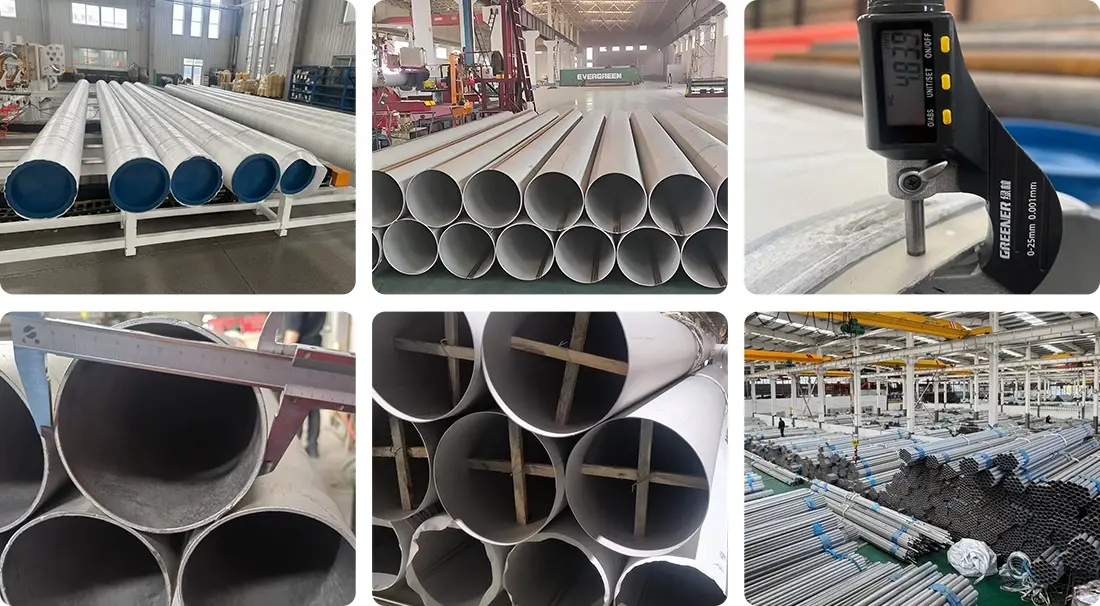
Stage 2 – Process Monitoring: Real-time dimensional inspection tracks wall thickness uniformity and outer diameter tolerance during manufacturing. Thermal process supervision ensures solution annealing reaches minimum 1050°C hold temperature.
Stage 3 - Mandatory Testing: 100% hydro test verifies pressure-containing integrity. Discontinuities below the surface are detected by ultrasonic or eddy current nondestructive inspection. Intergranular corrosion testing to ASTM A262 Practice E verifies effective stabilisation.
Stage 4 – Final Documentation: EN 10204 3.1 Mill Test Certificates. All shipments are accompanied by Mill Test Certificates including chemical analysis, mechanical test findings, grain size measurements and NDT data. PMI reports confirm titanium presence, avoiding unintentional exchange with conventional 304 or 321 grades.
Customization & Value-Added Processing
Your project specifications often require modifications beyond standard mill dimensions. We provide comprehensive customization services to match your engineering drawings.
Dimensional Flexibility: Custom cut-to-length increments eliminate field waste. Tight-tolerance wall configurations accommodate specialized flow calculations. We machine internal counterboring for smooth fluid transitions at weld joints.
End Preparation Options: Choose between square-cut plain ends for socket welding or compound bevel angles optimized for your welding procedures. Pre-machining reduces installation time and improves first-pass weld quality.
Surface Treatments: Beyond standard pickled finish, we offer shot blasting for enhanced coating adhesion or electropolishing for ultra-clean pharmaceutical applications. Passivation treatments maximize corrosion resistance from day one.
Testing Upgrades: Supplement standard testing with creep-rupture verification, high-temperature tensile testing, or thermal cycling simulation. These extended protocols provide additional assurance for critical applications.
Minimum order quantities remain flexible. Whether you need 50 meters for a pilot plant or 500 tons for a greenfield power station, our production scheduling accommodates your timeline.
Inventory Availability & Delivery Efficiency
Our 5,000+ ton rolling inventory includes common TP321H sizes for immediate shipment. Stock items ship within 3–5 days of order confirmation, supporting urgent maintenance and turnaround projects.
Standard custom orders complete within 15–20 days. Priority production scheduling reduces this to as little as 10 days when your project timeline demands accelerated delivery.
Large engineering projects receive dedicated production slots, with 25–30 day lead times for volumes exceeding 100 tons. Our mill partnerships ensure stable capacity even during peak demand periods.
FAQ
Q:What structural stabilization chemistry prevents this product from experiencing crystalline boundary failure?
A:This pipe incorporates a strategic titanium stabilizer combined with an elevated high carbon formulation, entirely preventing harmful chromium carbide precipitation and sensitization inside the critical 427°C to 816°C high-heat zone.
Q:Under what severe mechanical operating conditions is this titanium-stabilized seamless line highly recommended?
A:It is ideal for high-pressure boiler lines, aircraft exhaust manifolds, and refinery thermal cracking units subject to continuous elevated thermal operations and sudden physical vibration stresses.
Q:What specific metallurgical standards verify that the stabilizing reaction has successfully completed?
A:Every manufacturing batch undergoes rigorous microstructural analysis alongside mandatory intergranular corrosion validation tracking conforming strictly to the ASTM A262 Practice E engineering code.
Q:Can this titanium-stabilized series be configured with bespoke structural profiles matching specific engineering drawings?
A:We support precise tight-tolerance wall configurations, specialized internal counterboring for smooth fluid dynamics, and customized compound bevel angles for field welding.
Q:What independent third-party inspection certifications are accepted to clear this premium stabilized line?
A:Our advanced seamless mills are certified under major global frameworks and fully welcome independent witness inspections from third-party firms like SGS, TUV, DNV, ABS, or Lloyd's Register.
Contact Us
Need assistance selecting the right specifications for your high-temperature application with the astm a376 tp321h pipe? Our engineering team provides material recommendations and technical documentation within 8 hours. Email info@hballtrust.com for immediate support.