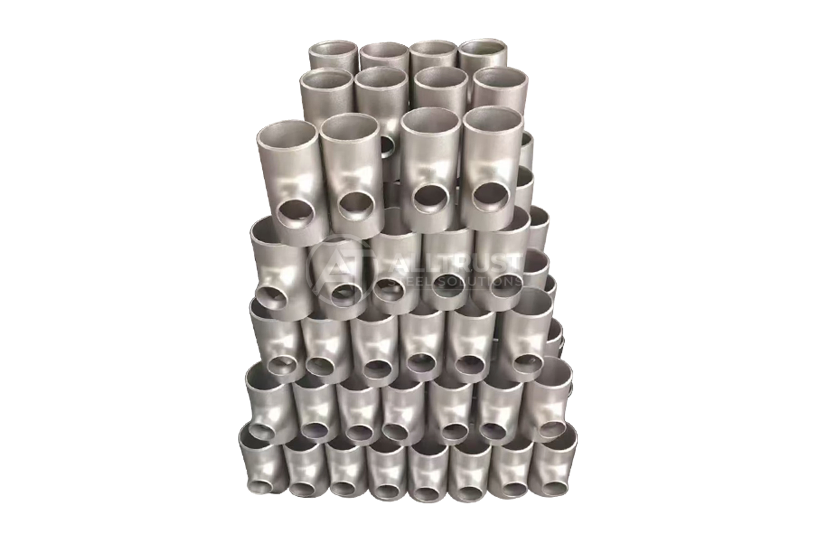
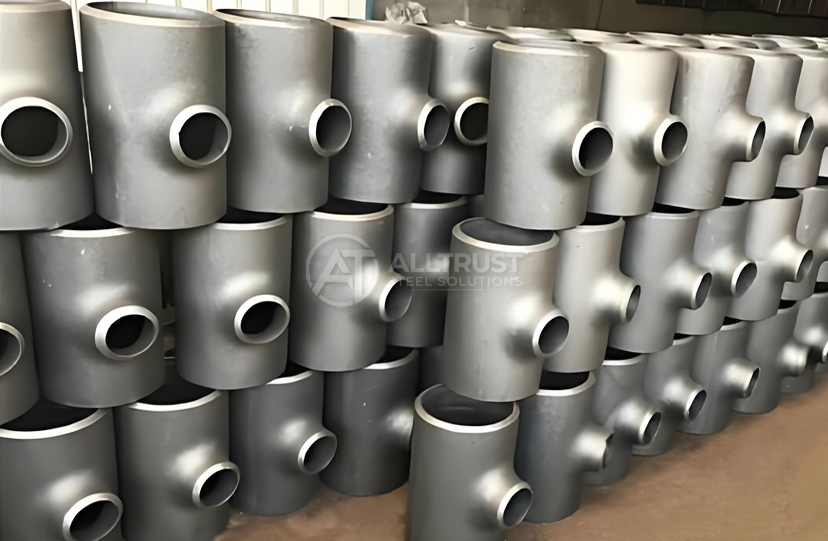
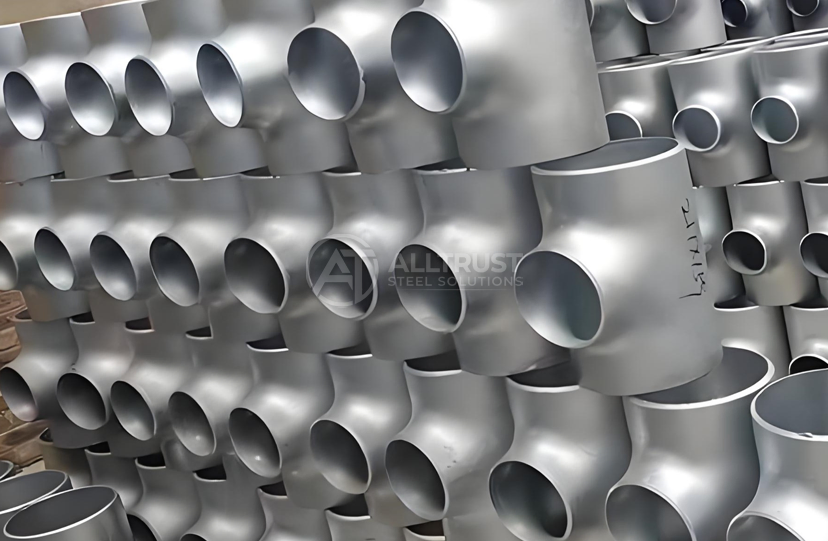
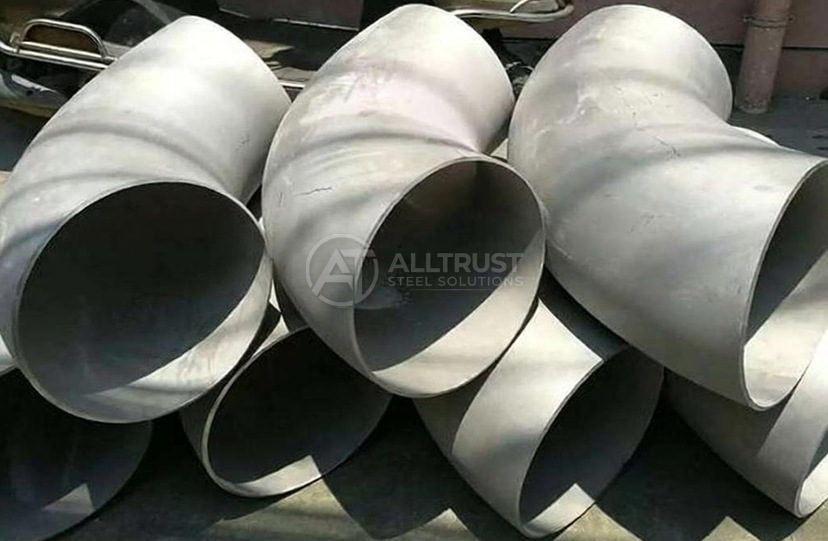
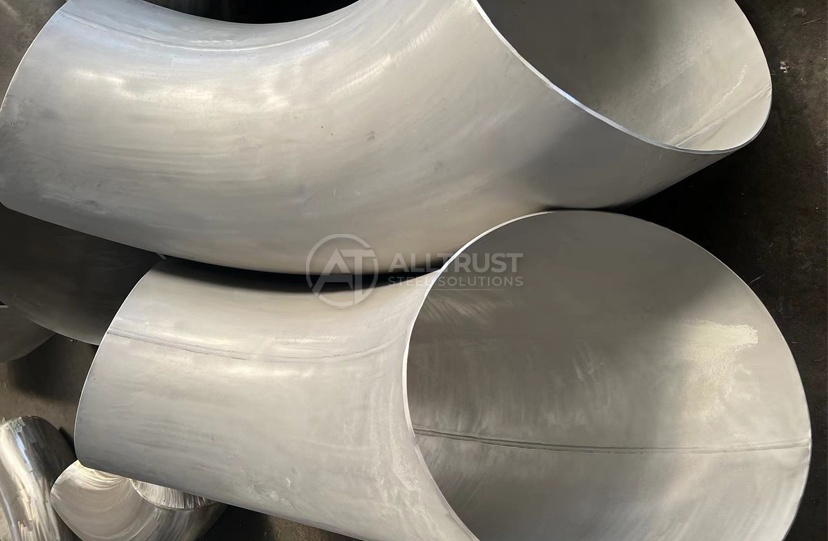
316L stainless pipe fittings
2. Standard: ASTM A403 / ASME SA403, standard specification for severe-duty industrial piping components
3. Process: Advanced mandrel cold/hot forming or precise forging, with weld lines fully compliant with radiography testing
4. Size Range: Nominal Pipe Size (NPS) 1/2" to 60", with wall thickness profiles covering Schedule 5S up to Schedule 160
5. Heat Treatment: Full-body furnace solution annealing to completely eliminate microstructural residual forming stresses
6. Surface Finish: Thoroughly clean acid-pickled and passivated finish, with inside geometric transitions strictly smooth
7. Application: Coastal desalination plants, marine platform plumbing, sewage disposal networks, and organic chemical reactors
8. Service Advantage: 100% X-ray radiographic inspection (RT) supported on welded seams, full technical MTC 3.1 reports provided
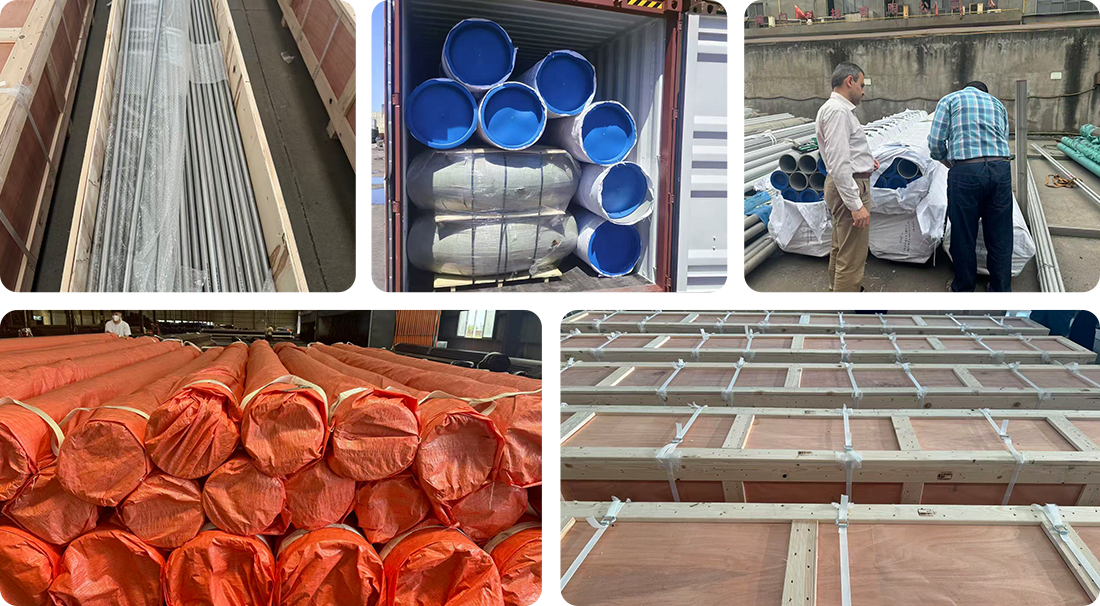
9. Packaging: Secure international crate packing with protective dividers to prevent mechanical impact scratches
10. Key Advantage: Supreme defense against chloride pitting while completely preventing intergranular decay at field welded joints
Premium 316L Stainless Pipe Fittings | Ultra-Low Carbon Welding Solutions for Marine & Chemical Industries
Hebei All Trust Steel Co., Ltd delivers precision-engineered 316L stainless pipe fittings designed for the most demanding industrial environments. With an annual production capacity exceeding 15,000 tons and a comprehensive size range from NPS 1/2" to 60", our fittings are manufactured to ASTM A403/ASME SA403 standards with 100% hydraulic testing verification. These ultra-low carbon parts include less than 0.03% carbon with 2-3% molybdenum addition, eliminating any weld sensitisation danger in coastal desalination facilities, offshore platforms and harsh chemical processing systems. Every fitting is solution annealed in whole body and certified EN 10204 3.1/3.2, supported by our rigors four step quality control system and over 15 years experience in stainless steel.
Importance of 316L grade fittings in critical applications
Ultra-low carbon molybdenum-bearing austenitic stainless steel fittings are the ultimate answer for pipe systems in chloride-rich environments and high temperature chemical operations.
Specialised metallurgy answers three major industrial problems. First, the lower carbon profile helps limit the formation of damaging carbides during welding processes. Secondly, a higher molybdenum concentration acts as a protective shield against pitting corrosion in salty water situations. Third, improved weldability makes expensive post weld heat treatment unnecessary.
Intergranular corrosion in weld heat affected zones is a perpetual hazard to your pipe system. “Most of the traditional 316 grade components were failing prematurely in chloride concentrations above operating limits. Products meeting this challenge do so with precise control of chemical composition, offering structural stability where fluid transport integrity is non-negotiable.
Technical Specifications & Manufacturing Standards of 316L stainless pipe fittings
| Parameter | Specification Details |
|---|---|
| Material Grade | WP316L (UNS S31603 / EN 1.4404) |
| Manufacturing Standard | ASTM A403 / ASME SA403 / EN 10253-3 / EN 10253-4 |
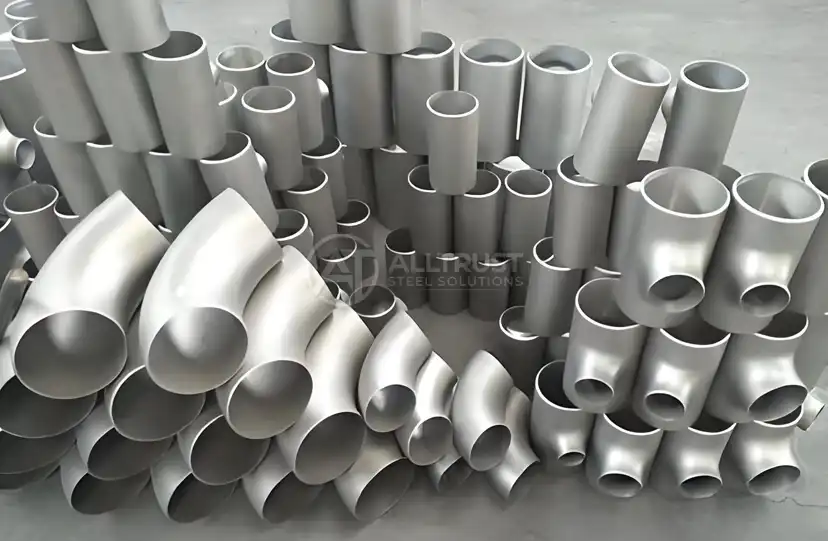
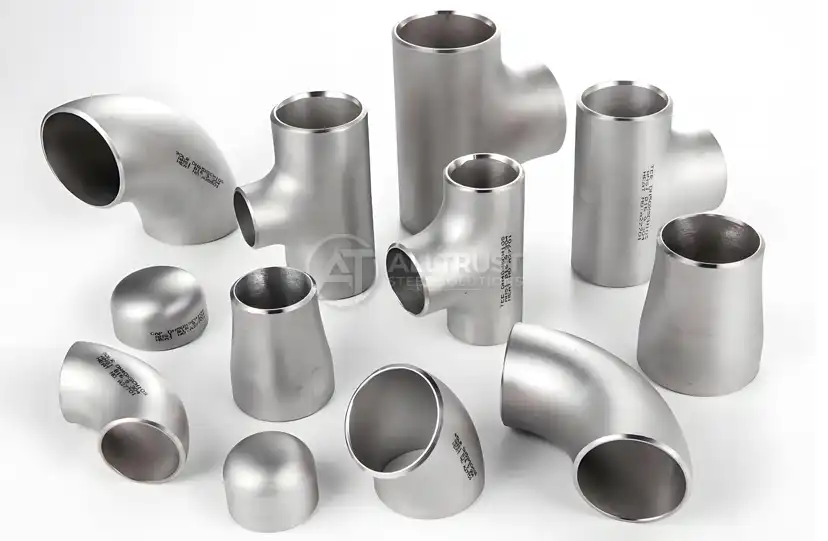
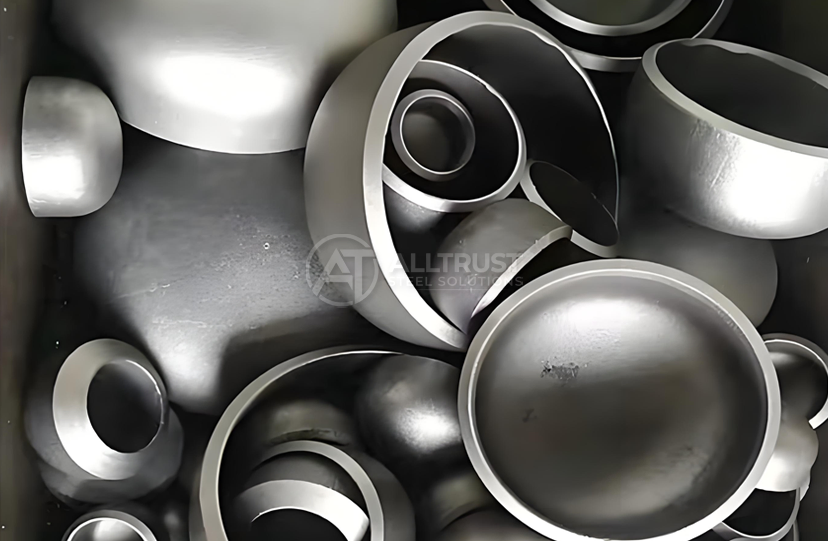
| Component Types | 90°/45° Elbows, Equal/Reducing Tees, Concentric/Eccentric Reducers, Caps, Stub Ends |
| Size Range | NPS 1/2" to 60" (Butt-Welding Configurations) |
| Wall Thickness | SCH 5S / SCH 10S / SCH 40S / SCH 80S / SCH 160 / SCH XXS |
| Manufacturing Process | Mandrel Hot Forming / Cold Pressing / Precision Forging / CNC Machining |
| Heat Treatment | Full Solution Annealing + Rapid Water Quenching |
| Surface Finish | Pickled & Passivated / Shot Blasted / Satin Brushed / Mirror Polished |
| Chemical Composition | C ≤0.03% / Cr 16-18% / Ni 10-14% / Mo 2-3% |
| Mechanical Properties | Tensile Strength ≥485 MPa / Yield Strength ≥170 MPa |
Advanced Quality Assurance Protocol
Non-Destructive Testing Matrix
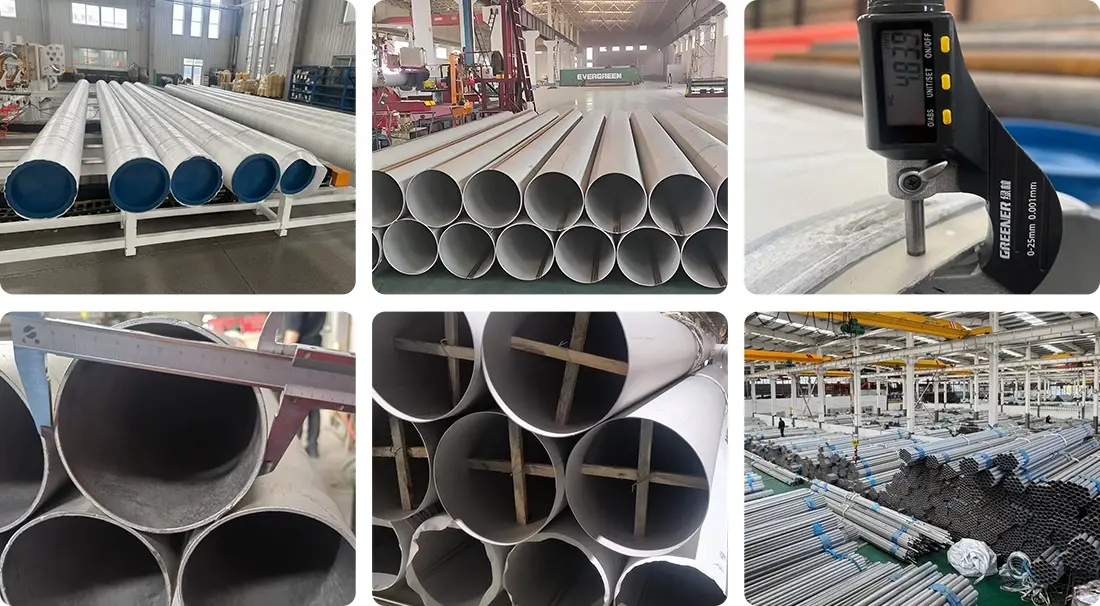
Every production batch passes through comprehensive diagnostic verification before shipment authorization.
Ultrasonic Testing (UT) is to discover interior volumetric defects that are not apparent to naked eye. Eddy current verification validates wall thickness consistency for complicated geometries To provide a smooth structure, the soundness of a weld connection is confirmed by RT (radiographic testing).
Liquid penetrant testing (PT) exposes small surface defects that might grow during heat cycling. These multi-layered inspection processes guarantee that your 316L stainless pipe fittings fulfil the highest safety requirements for pressurised fluid systems.
Material Certification and Traceability
Positive Material Identification (PMI) analysis verifies the accurate molybdenum and nickel composition for each thermal batch. ASTM A262 Practice E for intergranular corrosion testing confirms resistance to sensitisation after welding.
Full Mill Test Certificates to EN 10204 3.1 & 3.2 showing full chemical and mechanical property evidence. Heat number traceability links each fitting back to its original manufacturing lot and satisfies the needs of regulatory compliance and failure analysis .
Enhanced Corrosion Resistance for Harsh Environments
Marine & Offshore Applications
Coastal desalination plants need parts that can stand up to persistent salt exposure. Conventional materials have a very short service life in the submerged seawater environment of offshore platform plumbing systems.
These fittings have improved molybdenum content that forms a protective oxide layer that resists pitting from chlorides. The ultra-low carbon profile, as opposed to 304 or conventional 316 grades, preserves structural integrity in the weld heat-affected zones where most failures occur.
Chemical Processing Networks
Pharmaceutical clean-in-place (CIP) systems need inside surfaces that are smooth and clear of spots where germs may adhere. Materials must be used that do not leach pollutants during sterilisation cycles in food-grade water-for-injection (WFI) distribution loops.
Our 316L stainless pipe fittings provide the chemical inertness to work with acetic, sulfuric and phosphoric acids at high temperatures. Stress corrosion cracking in hostile conditions is prevented by the combination of chromium passivation and molybdenum stabilisation.
Comprehensive Customization Capabilities
Precision Dimensional Control
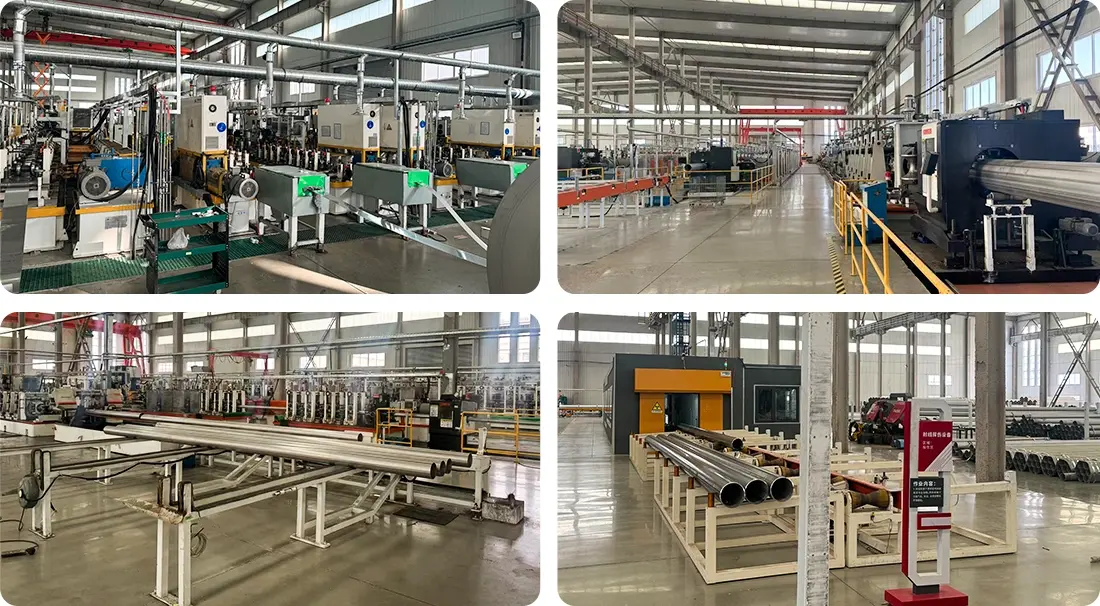
Your engineering drawings receive exact replication through advanced CNC face finishing and laser-micrometer geometry tracking. We accommodate tight wall schedule adjustments for compact chemical reactor configurations.
Custom branch reducing tee dimensions match your specific layout requirements. Eccentric reducer profiles optimize flow characteristics for your unique process parameters.
Value-Added Processing Services
Fixed-length cutting ensures perfect fit-up during field installation. Laser hole drilling and slot cutting support specialized instrumentation mounting. Threading and end beveling prepare fittings for immediate welding operations.
Mirror polishing achieves Ra ≤0.4μm surface roughness for high-purity pharmaceutical applications. Electro-polished (EP) finishes minimize bacterial attachment points in bioprocessing systems.
Efficient Global Supply Chain Solutions
Substantial Inventory Availability
Our rolling stock exceeds 5,000 tons across standard configurations. This depth enables rapid fulfillment for urgent project schedules and emergency maintenance requirements.
Stock orders ship within 3-5 days from order confirmation. Standard custom specifications complete production in 15-20 days. Large-scale engineering projects receive priority scheduling with 25-30 day lead times.
Secure Export Packaging
Individual foam wrapping prevents surface scratches during transit. Heavy-duty plywood crates and wooden cases protect against mechanical impact. Plastic end caps shield internal surfaces from moisture ingress and airborne contaminants.
Fumigation-free packaging complies with international phytosanitary regulations. Multiple steel strapping points ensure bundle integrity throughout intercontinental shipping.
FAQ
Q:Why should project engineers specify these fittings over traditional 316 options?
A:The extra-low carbon profile below 0.03% combined with heavy molybdenum integration completely eliminates weld area sensitization. This prevents intergranular crevice failures in high-risk marine fluid networks where standard 316 components would corrode prematurely.
Q:How does your factory achieve exceptional circumference concentricity for precision layouts?
A:Manufacturing via high-precision press forging and cold pressing integrates continuous laser-micrometer geometry tracking. Multi-axis CNC face finishing locks in micro-tolerances critical for leak-free orbital welding operations.
Q:What diagnostic procedures validate structural safety before factory clearance?
A:Every lot undergoes 100% mandatory non-destructive testing. Volumetric ultrasonic flaw detection (UT) and radiographic joint checking (RT) verify welded configurations meet ASME pressure vessel code requirements.
Q:Can dimensional parameters be customized for compact chemical reactor blueprints?
A:We support extreme calibration versatility across configurations up to 48 inches. Custom branch reducing tee dimensions and eccentric reduction profiles match your specific engineering drawings with precise tolerance control.
Q:What shipping protection shields components from environmental humidity during freight?
A:Cellophane wrapping provides initial moisture barrier protection. Soft fiber edge shielding prevents mechanical damage. Secure plywood crates with desiccant packets maintain optimal humidity levels throughout international transit.
Contact Us
Ready to specify corrosion-resistant 316L stainless pipe fittings for your next project? Contact our technical sales team at info@hballtrust.com for detailed specifications, custom quotations, and material certifications.